Exploring Imagined Designs: Chevrolet Blazer's 2027 Vision
Explore how the Chevrolet Blazer design might evolve by 2027, with speculative insights that blend current trends with innovative possibilities. While it's impossible to guarantee what the future holds, our preview delves into potential design shifts that could redefine the Chevrolet Blazer.
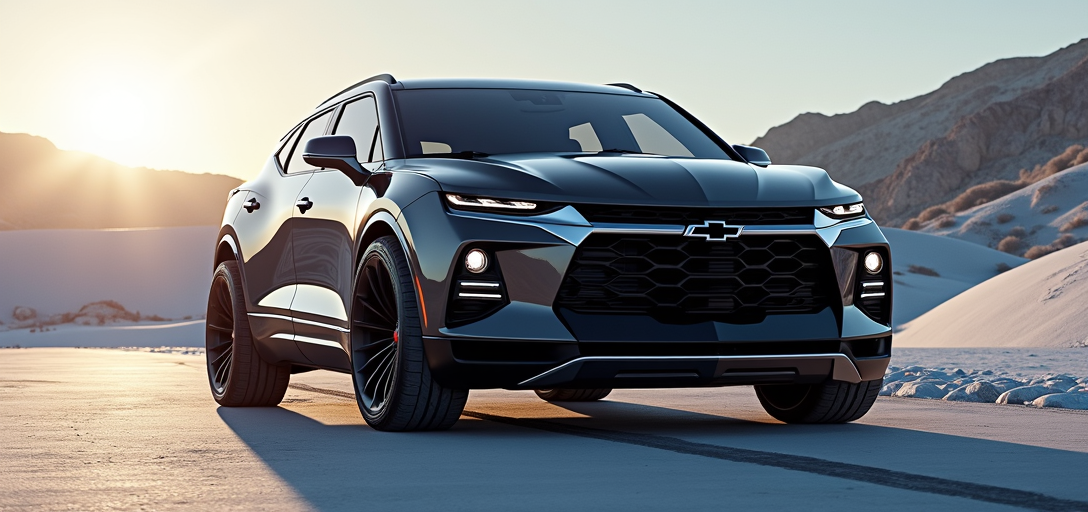
The Evolution of Chevrolet Blazer Design
As car enthusiasts eagerly contemplate what the future holds for their favorite models, the Chevrolet Blazer remains a hot topic in discussions about automotive design evolution. The journey from its rugged origins to its modern adaptations captures a fascinating story of innovation, market shifts, and consumer expectations. With eyes set on 2027, let's explore how design trends, technological advancements, and market demands will shape the Chevrolet Blazer's future.
A Brief History of the Chevrolet Blazer
Chevrolet introduced the Blazer in 1969 as a bold answer to the growing demand for sport utility vehicles (SUVs) in the United States. Built on a truck chassis, its rugged design and off-road capabilities quickly appealed to adventure-loving Americans. Over the decades, the Blazer transformed alongside its competitors, moving from a sturdy, off-road vehicle to the sleek, mid-size crossover we recognize today.
What Design Changes to Expect in 2027
Emphasis on Aerodynamic Efficiency
The focus on reducing carbon footprints and improving fuel efficiency has pushed automotive manufacturers to prioritize aerodynamic designs. By 2027, we can expect the Chevrolet Blazer to incorporate sleeker lines and refined shapes that minimize air resistance, ultimately enhancing performance and efficiency. This shift aligns with recent industry trends where manufacturers integrate cutting-edge computing and wind tunnel testing in their design processes.
Integration of Sustainable Materials
With the auto industry’s shift towards sustainability, the 2027 Chevrolet Blazer is likely to feature eco-friendly materials both in its construction and interior. Expect the integration of biodegradable plastics, recycled metals, and organic textiles, following in the footsteps of manufacturers like BMW and Audi who have already embraced greener production methods [EPA Report].
Technological Innovations in Future Models
Advanced Connectivity and Smart Features
By 2027, the Chevrolet Blazer will likely be equipped with advanced connectivity options through Car-to-Everything (C-V2X) technology. Drivers will benefit from real-time data exchange with traffic infrastructures and other connected devices, enhancing navigation and safety. Additionally, we can foresee the inclusion of more sophisticated digital interfaces, augmented reality dashboards, and voice-activated controls that offer a seamless interaction [Forbes].
Autonomous Driving Features
As we advance toward full autonomy, the 2027 Blazer model may feature advanced driver-assistance systems (ADAS), including adaptive cruise control, lane-keeping assist, and enhanced self-parking capabilities. Chevrolet has demonstrated its commitment to this trajectory through ongoing investments in research and partnerships with tech companies aimed at harnessing AI and machine learning technologies.
Market Trends Influencing Design
Consumer Demand for Customization
In the US, consumers increasingly favor personalized options, demanding vehicles that reflect their lifestyles and preferences. The expectation for the 2027 Blazer to offer greater customization in terms of colors, trims, and technology add-ons is strong. Customization not only enhances personal satisfaction but also taps into the growing trend around individuality in vehicle ownership.
Increasing Popularity of Electric Vehicles (EVs)
With the country’s pivot toward electric vehicles driven by policy changes and environmental awareness, there's a strong possibility that the 2027 Blazer will offer electric or hybrid variants. The growing EV market in the US reached a milestone in 2026, with over 20% of new car sales being electric [US Department of Energy]. As Chevrolet expands its EV lineup, the Blazer will potentially join this movement, providing eco-conscious consumers with more sustainable choices.
What to Consider When Planning Your Future Vehicle Purchase
When envisioning the Chevrolet Blazer of the future, potential buyers should think about evolving priorities such as fuel efficiency, connectivity, and sustainability. Moreover, staying informed about ongoing automotive redesigns and technological implementations will guide you in making informed decisions that align with your future transportation needs.
- Consider fuel type and efficiency when comparing future Blazer variants.
- Evaluate potential connectivity and smart technology features.
- Think about how design sustainability aligns with your values.
- Monitor emerging market trends to understand future vehicle price dynamics.
The anticipated 2027 Chevrolet Blazer symbolizes a remarkable blend of style, innovation, and progressive engineering that keeps pace with the changing automotive landscape. Whether you’re drawn by its aesthetic evolution, technological prowess, or its alignment with ecological trends, the Chevrolet Blazer promises to keep captivating audiences and drivers alike.