Exploring Innovative Designs in Wheelchair Technology: A Glimpse into the Future
Explore the innovative designs and technology that could shape future wheelchairs. From smart features to ecofriendly materials, discover emerging trends redefining wheelchair mobility.
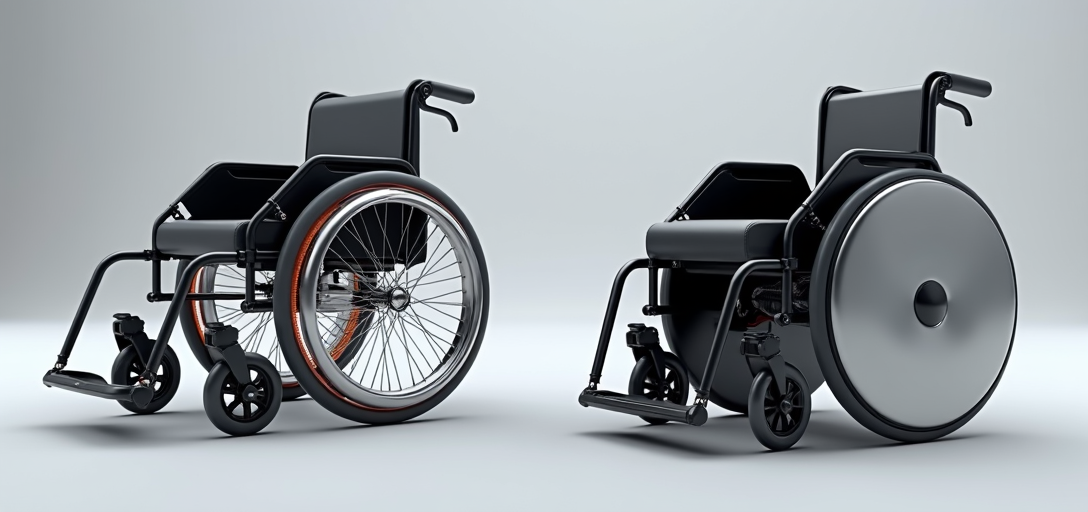
Emerging Trends in Wheelchair Design
Wheelchair technology has advanced remarkably over the years, and we're now witnessing the dawn of a new era. This is what future wheelchairs may look like as they incorporate a combination of cutting-edge technology, ergonomic designs, and user-centric innovations. As of 2026, these changes are reshaping the landscape of mobility aids, offering enhanced independence and improved quality of life for users.
Smart Wheelchairs: The Future is Now
One of the most significant trends is the development of smart wheelchairs. These devices integrate artificial intelligence and Internet of Things (IoT) technologies to provide new levels of functionality and customization. By using sensors and connectivity, smart wheelchairs can adapt to the user's needs, learn from their surroundings, and even anticipate obstacles.
For instance, some smart wheelchairs offer voice control, allowing users to navigate and adjust settings hands-free. According to a 2026 report by SmartTech Insights, 68% of wheelchair users find voice-activated features significantly enhance their daily mobility. SmartTech Insights
All-Terrain Capabilities
Another exciting development in wheelchair technology is enhanced all-terrain capabilities. Future designs are focusing on versatility to ensure that users can navigate diverse environments, from urban sidewalks to rural trails. These wheelchairs often feature robust suspension systems, durable frames, and tire designs inspired by off-road vehicles.
For example, several manufacturers are experimenting with innovative materials like graphene and lightweight alloys that make the wheelchairs tough yet light. A study from the University of Michigan in 2026 highlights that all-terrain wheelchairs have significantly increased outdoor accessibility, which is crucial for improving the mental health of users.
Ergonomics and User Comfort
Comfort and ergonomics remain at the forefront of wheelchair design. As technology advances, manufacturers are focusing on personalized seating systems and pressure-relief mechanisms to reduce the risk of sores and discomfort. In 2026, adaptive seating technologies are leading to more customized fit, improving support where users need it most.
Customizable Fit
Through 3D scanning and printing, wheelchair seats and backrests can be tailored to accommodate the unique body shapes of individual users. Reports suggest that customized solutions reduce fatigue and enhance comfort during prolonged use, which is essential for those who rely on wheelchairs throughout their day.
A recent survey by the American Society of Mechanical Engineers shows that users with personalized ergonomic seating report a 40% decrease in discomfort during long-duration use.
Pressure Relief Systems
Innovative pressure relief systems such as air cushions that adjust based on the user's movement are becoming commonplace. These systems help redistribute pressure evenly, minimizing the risks of pressure sores. Future wheelchairs will likely feature automatic adjustment capabilities, reducing the need for manual intervention.
Environmental Consciousness in Design
As sustainability becomes a pressing global concern, the wheelchair industry is also committing to greener practices. Many manufacturers are adopting sustainable materials and energy-efficient production processes to minimize their environmental impact.
Eco-Friendly Materials
Future wheelchairs may utilize biodegradable plastics and recycled materials, aiming to reduce carbon footprints. Companies are also exploring the use of bamboo and bioplastics, which are both durable and environmentally friendly.
An environmental impact assessment in the US indicates that using eco-friendly materials can cut emissions from wheelchair production by up to 30% in the next decade, making this an essential trend in the industry.
Energy Efficiency
Energy-efficient power systems, like solar-charging capabilities, are becoming more prevalent. Future models may feature solar panels integrated into the wheelchair's design, providing a sustainable source of power on the go, especially useful in sunny states like California and Arizona.
According to the 2026 Mobility Aid Innovation Conference, solar-powered wheelchairs could see usage increase by over 80% in areas with high sunlight exposure, reflecting a promising shift towards renewable energy solutions.
The Social Impact of Advanced Wheelchairs
Beyond technical and environmental advancements, modern wheelchairs significantly impact users' social lives. By enabling greater independence, they enhance social participation and promote inclusivity in ways never imagined before.
Independence and Mobility
Enhanced technology contributes to increased independence for wheelchair users, empowering them to partake in societal activities and minimizing reliance on caregivers. Features like smart navigation and automated controls enable users to manage daily tasks effortlessly.
Promoting Inclusivity
Future wheelchairs help break barriers for individuals with mobility challenges, encouraging their full participation in diverse environments, from workplaces to outdoor recreation. This technological evolution aligns with the broader movement for inclusivity and accessibility in public spaces across the US.
The widespread adoption of these advanced wheelchairs underlines a societal commitment to equality and diversity, creating a more inclusive world for everyone.