Exploring Innovative Solutions for Senior Mobility: Technology and Trends
Explore the innovative advancements in senior mobility that are transforming the way older adults navigate their world. Discover the future of senior mobility with cuttingedge solutions designed to enhance freedom and convenience without compromising safety.
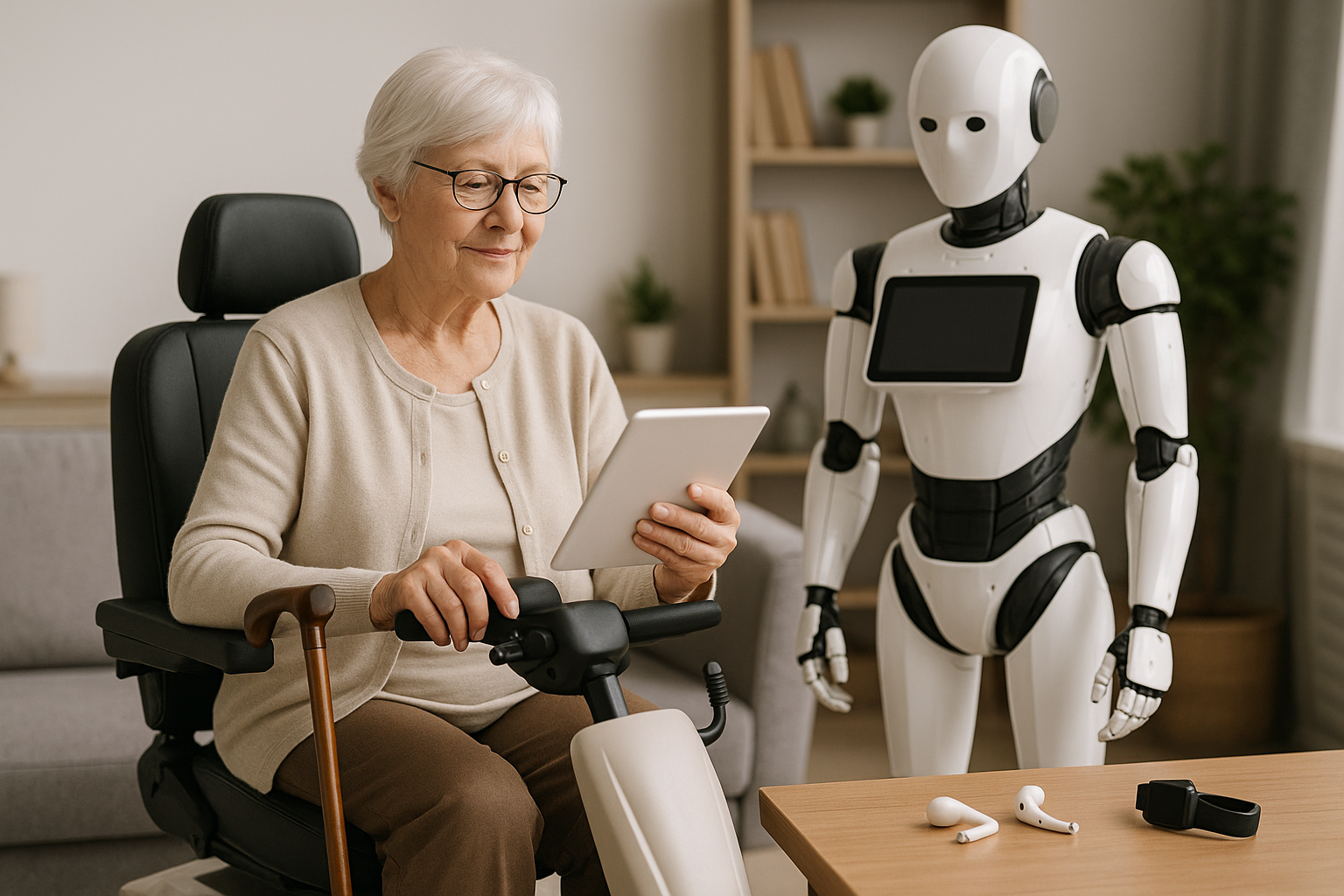
Understanding Senior Mobility in 2026
As our global population ages, the topic of senior mobility becomes increasingly significant. The mobility challenges faced by seniors affect their quality of life, independence, and ability to engage with their communities. Let's delve into the innovations and strategies currently shaping the future of senior mobility.
What Is Senior Mobility?
Senior mobility refers to the ability of elderly individuals to move freely and safely within their living environments and communities. Maintaining mobility is crucial as it directly impacts physical health, mental well-being, and social interaction. As people age, they may encounter mobility limitations due to health conditions such as arthritis, osteoporosis, or cognitive decline, necessitating innovative solutions to enhance mobility.
Technological Innovations in Senior Mobility
Recent technological advancements are playing a pivotal role in reshaping senior mobility. From smart wearable devices to autonomous vehicles, here's how technology is making a difference:
Smart Wearables and Health Monitoring Devices
Smart wearables are now redefining the standard of personal health and safety for seniors. Devices like the latest smartwatches and health bands can monitor vital signs, detect falls, and even notify emergency services. According to Statista, the smartwatch market has grown significantly, with an increasing number of features catering specifically to senior health and safety.
- Heart rate monitors provide real-time data to manage conditions like hypertension.
- Fall detection alerts caregivers or emergency contacts when a fall is detected.
- GPS tracking ensures that seniors can be easily located if they wander or require aid.
Autonomous Vehicles: A Transformative Change
Autonomous vehicles are on the cusp of transforming how seniors travel. Self-driving cars offer the potential to restore independence to seniors who are unable to drive due to physical or cognitive impairments. Tech giants and auto manufacturers are investing heavily in these technologies with promising outcomes for senior mobility.
A recent Forbes article highlighted that as of 2026, several cities worldwide are initiating autonomous taxi services aimed at providing seniors with safe and reliable transportation options.
Enhancing Community Infrastructure
Improving senior mobility isn't just about technology; it's also about creating accessible and inclusive communities. These improvements range from public transportation services to urban planning:
Accessible Public Transportation
Enhancing accessibility in public transportation systems is critical for seniors who rely on these services. Features such as lower bus floors, audio announcements, and well-marked pathways make transit systems more senior-friendly. The introduction of ride-hailing services exclusively for seniors is another rapidly growing sector.
Urban Planning and Walkable Communities
Community design plays a significant role in enabling seniors to lead active lifestyles. Cities are increasingly focusing on making neighborhoods more walkable by implementing pedestrian-friendly infrastructures like wider sidewalks, frequent benches, and safe crossing points.
Studies from the CDC suggest that well-designed environments encourage older adults to engage more frequently in physical activity, which is vital for maintaining mobility and overall health.
Healthcare and Mobility: A Symbiotic Relationship
The healthcare industry plays a crucial role in supporting mobility among seniors. Physical therapy, regular checkups, and preventive care can significantly contribute to maintaining or enhancing a senior's ability to move freely.
Physical Therapy and Exercise Regimens
Custom-tailored physical therapy solutions and exercise programs are pivotal in maintaining and improving mobility for seniors. Therapeutic exercises designed to strengthen muscles, improve balance, and enhance flexibility are being increasingly recommended by healthcare providers.
Preventive Healthcare
Preventive measures, such as regular health screenings and vaccination programs, play a substantial role in keeping seniors healthy and mobile. Preventing or managing chronic conditions can dramatically affect a senior's mobility levels, extending their independence.
Conclusion: Moving Forward with Confidence
Discovering the future of senior mobility involves a multifaceted approach that combines technology, infrastructure improvements, and healthcare advancements. These efforts are crucial for built environments that support independence and enrich the lives of our aging population. As we progress, it's essential to sustain these innovations and remain committed to creating inclusive spaces for seniors, ensuring they remain active, engaged, and valued members of society.