Exploring Non-Invasive Treatments for a Defined Jawline
Curious about achieving a snatched jawline without surgery? I explored a noninvasive treatment that promises subtle enhancements. This method targets facial contours, aiming to improve definition over time.
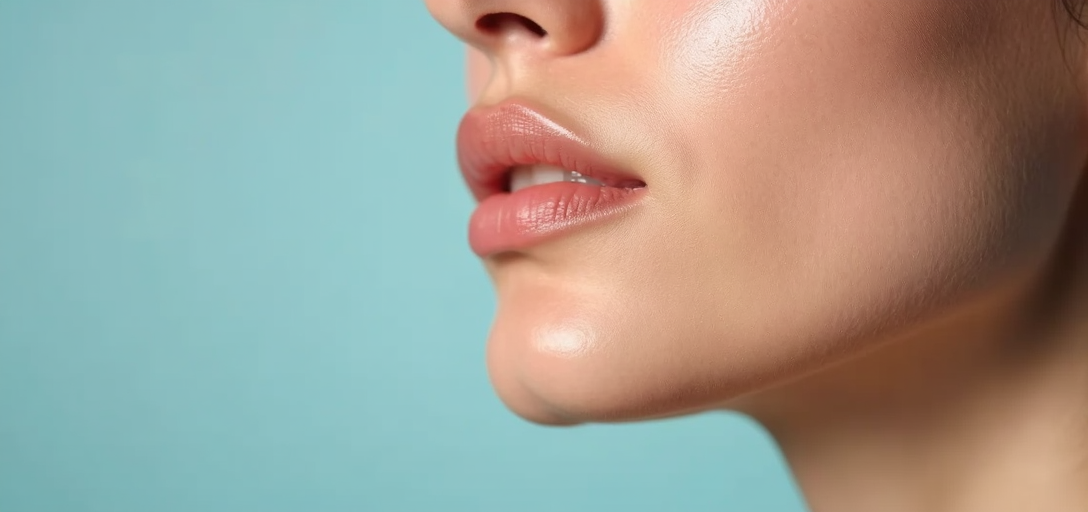
Understanding Non-Invasive Treatments for a Snatched Jawline
With the rise in beauty standards and self-care trends, achieving a well-defined jawline without undergoing surgery has become increasingly popular. Non-invasive treatments offer alternatives for those who wish to enhance their facial contours in a less aggressive manner. These options are enticing due to their minimal downtime and reduced risk compared to surgical procedures.
What Are Non-Invasive Treatments?
Non-invasive treatments refer to procedures that do not require incisions into the body or removal of tissue. These alternatives typically use technologies that penetrate the skin to stimulate physiological responses promoting tightening and contouring. The aim is to achieve aesthetic improvements with minimal disruption to the body's surface.
Examples of popular non-invasive treatments include high-intensity focused ultrasound (HIFU), radiofrequency (RF) therapy, and injectable treatments such as Botox or dermal fillers. Each of these methods works through distinct mechanisms to achieve the desired jawline definitions.
How Do Non-Invasive Treatments Work?
Non-invasive jawline treatment options commonly enhance the existing structures of the skin and underlying tissue by promoting collagen production and tightening.
- High-Intensity Focused Ultrasound (HIFU): This method uses ultrasound energy to penetrate deep into the skin layers, causing controlled heating that stimulates natural collagen production. It ultimately leads to firmer and tighter skin along the jawline.
- Radiofrequency (RF) Therapy: RF treatments work by delivering thermal energy to dermal and sub-dermal layers, encouraging collagen production and tissue tightening. This method is popular for its efficacy in improving skin laxity.
- Injectable Treatments: Uses substances like Botox to relax muscles that contribute to shaping the jawline or dermal fillers that add volume and contour to achieve the desired look.
Who Can Benefit from Non-Invasive Jawline Treatments?
Non-invasive treatments are suitable for men and women who are looking for subtle enhancement or maintenance of their jawline definition. They are ideal for individuals who have mild to moderate skin laxity along the jawline and prefer a solution with minimal recovery time.
Factors to Consider
Before proceeding with non-invasive jawline treatments, consider factors such as skin type, level of laxity, and the results you seek to achieve. It is also recommended to consult with a qualified dermatologist or cosmetic physician to discuss your expectations and determine the most suitable approach.
What Are The Benefits and Risks?
Non-invasive treatments offer various benefits but should also be weighed against potential risks and limitations.
Benefits
- Minimal downtime and recovery periods allow for quick returns to daily activities.
- Lower risk of complications compared to surgical interventions.
- Gradual and natural-looking results.
Potential Risks and Limitations
- Results may vary and are not as dramatic as surgical options.
- Multiple sessions may be required to achieve desired outcomes.
- Temporary side effects such as redness, swelling, or bruising can occur.
Recent Research and Statistics
According to a report by the American Society of Plastic Surgeons, non-invasive aesthetic procedures have seen a growth rate of over 15% annually since 2023, with jawline enhancement treatments being among the top five requested services. Studies indicate that the global market for non-surgical aesthetic treatments is expected to reach $15 billion by 2026, driven by technological advancements and increased consumer awareness.
Recent studies, such as those published in the Journal of the American Academy of Dermatology, highlight the effectiveness of RF and HIFU in non-surgical face-contouring procedures. These treatments show positive satisfaction rates among patients with a significant reduction in skin laxity reported.
Conclusion
Non-invasive treatments present a viable alternative to surgical procedures for achieving a snatched jawline. For those preferring subtle, natural enhancements, these procedures offer promising results with minimal downtime. As with any aesthetic treatment, it is important to thoroughly research and consult professionals to select the most appropriate option tailored to individual needs and goals.