Exploring Options: How Homeowners Can Find Roof Repair Assistance Programs
Curious if you're eligible for roof repair assistance? Homeowners across the country are discovering potential programs that might help ease the financial burden of necessary repairs.
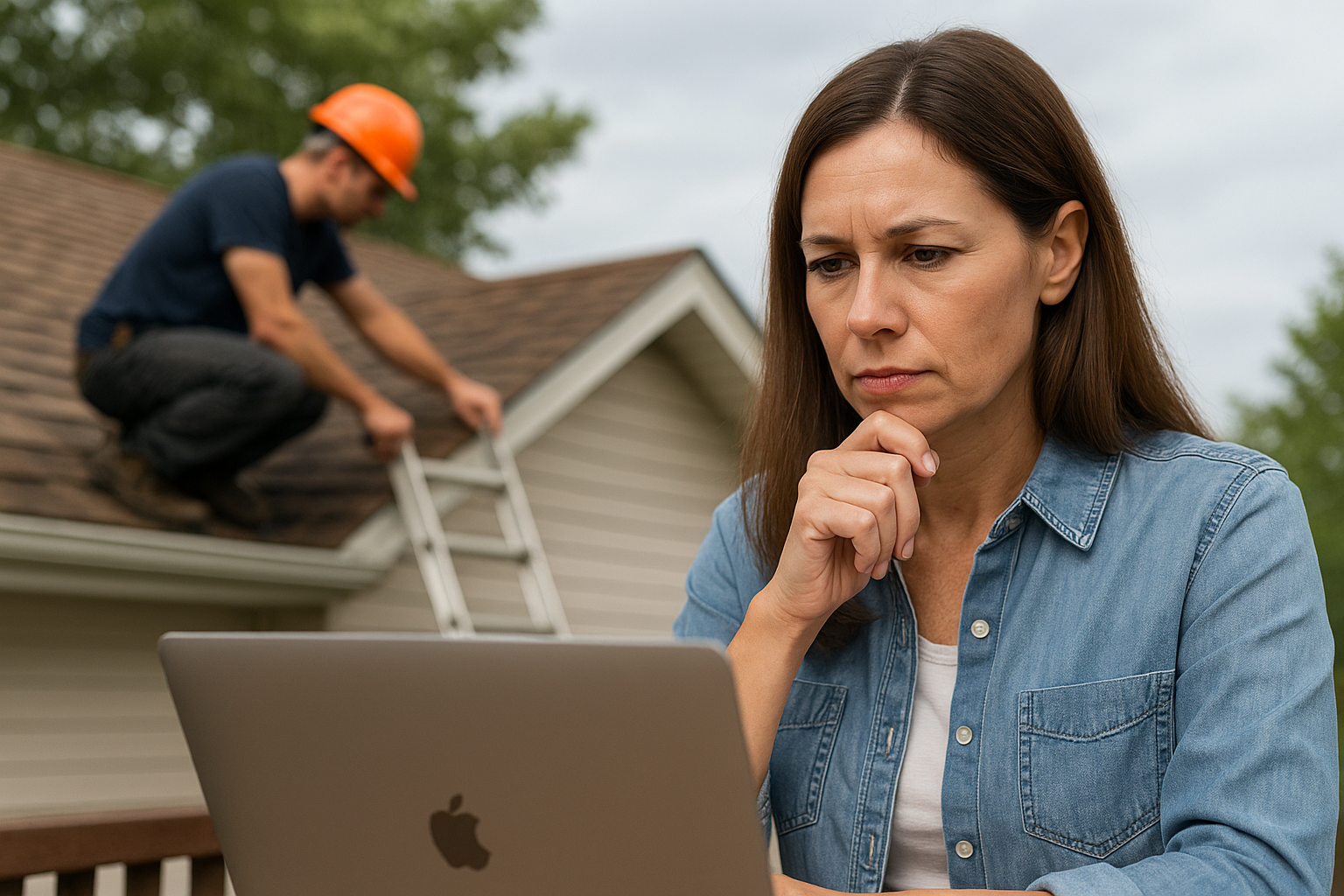
Understanding Roof Repair Assistance Programs
Roof repair can be one of the most significant expenses for homeowners, making assistance programs an essential option for many. These programs are designed to help homeowners manage the cost of necessary repairs, ensuring that their homes remain safe and livable. In this article, we will explore how homeowners may qualify for roof repair assistance, the types of programs available, and the key steps to take advantage of these opportunities.
Why Roof Repair Assistance is Important
A sturdy roof is crucial for protecting your home from the elements, maintaining energy efficiency, and preserving the property's overall integrity. Unfortunately, roof repairs can be costly, often ranging from hundreds to several thousand dollars, depending on the damage's extent. This expense can be especially burdensome for low-income families, seniors, and those living in areas prone to severe weather conditions.
Types of Roof Repair Assistance Programs
There are several types of roof repair assistance programs available, each with different eligibility requirements and benefits. Here are some common options:
- Government Grants and Loans: Many government programs at the federal, state, and local levels offer grants and low-interest loans specifically for home repairs. A notable example is the HUD's Community Development Block Grant (CDBG) program, which provides grants to local governments for community development activities, including housing rehabilitation.
- Non-profit Organizations: Charitable organizations like Habitat for Humanity and the National Roof Certification and Inspection Association (NRCIA) often offer assistance to needy homeowners. These organizations may provide either financial support, volunteer labor, or both to assist with repairing roofs.
- Insurance Claims: Depending on the cause of the damage, homeowners insurance may cover specific repairs. It is crucial to understand the terms of your insurance policy and discuss potential claims with your provider.
Eligibility Criteria for Assistance
Eligibility for roof repair assistance can vary significantly depending on the program. However, there are some common factors that many programs consider:
- Income Level: Many assistance programs are designed to help low-income homeowners. Applicants may need to provide income documentation to prove they meet specific thresholds.
- Age and Disability Status: Seniors and individuals with disabilities may have additional options such as specialized grants or priority consideration in some programs.
- Property Location and Condition: Some programs prioritize homes in certain areas or those that are deemed unsafe or otherwise in critical need of repair.
How to Apply for Roof Repair Assistance
Applying for roof repair assistance can seem daunting, but breaking it down into clear steps can simplify the process:
- Research Available Programs: Start by researching the variety of assistance programs available in your area. Websites like HUD or Habitat for Humanity can provide valuable resources for finding applicable programs.
- Check Eligibility Requirements: Carefully review each program’s eligibility criteria to ensure you qualify before applying. This can save time and effort in the application process.
- Gather Necessary Documentation: Collect all documentation needed to verify eligibility, such as proofs of income, homeownership, and property condition.
- Submit Applications: Complete and submit applications as needed, ensuring that all information is accurate and up-to-date. Follow up if you do not receive confirmation of receipt within a reasonable time frame.
Real-World Example: Success Stories
Many homeowners across the country have successfully utilized these assistance programs to repair their roofs. For instance, in 2026, a family in the Midwest received assistance through a local non-profit organization, which provided both funding and volunteer labor to repair their storm-damaged roof. This collaboration not only ensured the family's home was safe but also fostered a stronger sense of community and mutual support. Such examples highlight the positive impact these programs can have on individuals' lives.
Conclusion
Roof repair assistance programs are invaluable resources for many homeowners who may struggle with the financial burden of necessary home maintenance. By understanding the types of assistance available, the criteria for eligibility, and the steps to apply, homeowners can better navigate these options and secure the support they need. Whether through government support, non-profit organizations, or insurance, these programs ensure that everyone has access to safe and sustainable housing. For more information, consult resources from FTC to avoid scams and ensure you engage with legitimate assistance programs.