Exploring Personal Loan Options for Veterans with Low Credit Scores
Discover options available for veterans seeking personal loans with low credit scores. While challenges exist, there are potential pathways that veterans can explore to obtain the financial support they need.
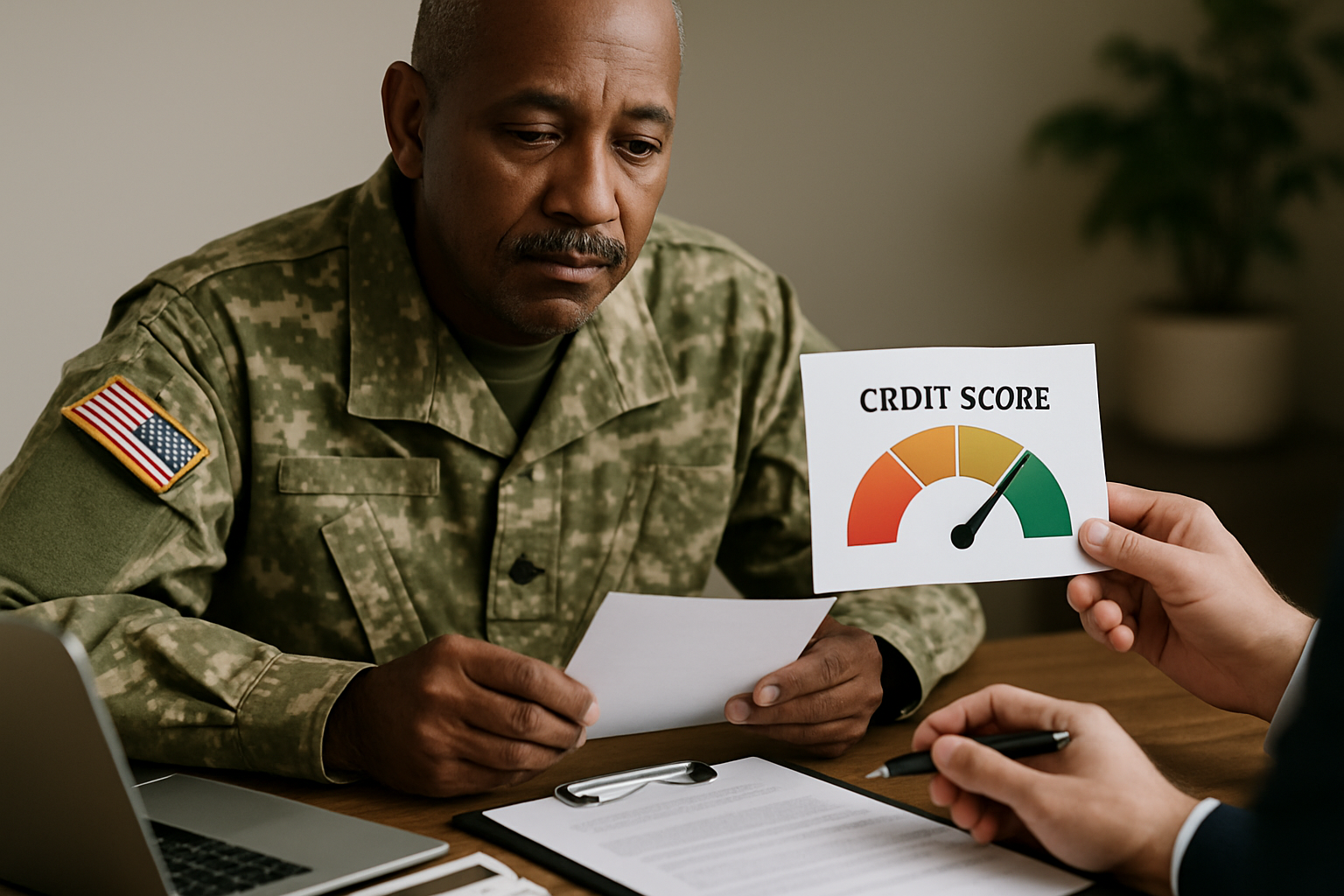
Understanding Personal Loans for Veterans
Personal loans can provide veterans with access to funds for various needs, such as consolidating debt, covering unexpected expenses, or financing large purchases. However, veterans with low credit scores may wonder what options are available to them. Fortunately, there are lenders who specifically tailor their products to meet the unique financial situations of veterans, even those with less-than-perfect credit scores.
Why Credit Scores Matter in Loan Approvals
Credit scores are a critical component of the lending process. They serve as an indicator of a borrower's creditworthiness, helping lenders assess the risk involved in lending money. Generally, a higher credit score suggests a history of responsible credit usage, making it easier to obtain loans at favorable terms. Conversely, a low credit score might lead to difficulty in securing loans or receiving higher interest rates.
According to data from 2026, the average credit score in the United States is around 716, which underscores the potential challenges those below this mark might face.
Options for Veterans with Low Credit Scores
Veterans with low credit scores still have multiple avenues to explore when seeking personal loans. The key is to understand the alternatives and choose the one that best aligns with their financial needs and circumstances.
Government-Backed Loan Programs
Government programs often provide more lenient terms for veterans. The U.S. Department of Veterans Affairs (VA) offers several supportive options:
- VA Loans: While primarily for home buying, VA loans can sometimes be repurposed for financial needs under certain circumstances.
- Small Business Loans: Veterans interested in starting or expanding businesses might qualify for small business loans backed by the Small Business Administration (SBA), which often have favorable terms and requirements.
Credit Unions and Veteran-Friendly Banks
Some financial institutions, specifically credit unions and banks with a commitment to serving veterans, offer personal loans with flexible terms. Credit unions like Navy Federal Credit Union or PenFed are known for accommodating veterans' financial profiles more easily than traditional banks.
- Eligibility Requirements: Membership is often required but understanding the requirements is straightforward and typically based on military affiliation.
- Rates and Terms: Such institutions often provide competitive interest rates and more personalized loan terms favorable to veterans.
Peer-to-Peer Lending Platforms
Peer-to-peer lending platforms can provide another alternative by connecting borrowers directly with investors willing to fund loans. These platforms often have less stringent credit requirements:
- Platforms like LendingClub or Prosper can sometimes offer loans to individuals with lower credit scores, providing an opportunity while traditional banks might not.
- It's important for veterans to read terms carefully and understand any associated fees, which might differ from those at traditional institutions.
Improving Credit Scores
Enhancing one's credit score can significantly expand future lending options. Here are some strategies veterans might consider:
- Regular Payment: Ensuring all bills, particularly credit obligations, are paid on time can gradually improve the score.
- Debt Management Plans: Working with credit counselors to establish feasible payment plans can also aid in score improvement over time.
- Credit Report Monitoring: Checking reports for errors or discrepancies can prevent inaccurate low scores. The three major credit bureaus—Equifax, Experian, and TransUnion—offer one free report per year.
For further resources on credit improvement and management, reputable financial advisors and veteran associations are excellent support systems.
Real-World Examples
Consider the case of John, a Navy veteran, who needed immediate funds for medical expenses but faced a low credit score of 610. By exploring options at a veteran-friendly credit union, he secured a personal loan with manageable interest rates and flexible repayment terms tailored to his needs.
Conclusion: Taking Informed Steps
While a low credit score can pose challenges in obtaining a personal loan, veterans have specific opportunities designed to support their unique circumstances. By leveraging veteran-friendly financial institutions, exploring government-backed loans, and employing strategies to improve credit scores, veterans can increase their chances of securing necessary funding under favorable conditions. As with any financial decision, veterans are encouraged to thoroughly research their options, consider seeking guidance from financial advisors, and make informed choices aligned with their personal financial goals.
For more information, veterans can consult resources from reputable sites like the VA and SBA, or financial advisory platforms that specialize in veteran affairs.
https://www.consumerfinance.gov/consumer-tools/military-financial-lifecycle/
https://www.navyfederal.org/loans-cards/personal-loans.html
https://www.navyfederal.org/makingcents/credit-debt/credit-score-basics.html
https://www.penfed.org/personal-loans
https://www.veteransunited.com/credit/bad-credit-loans-for-veterans/
https://www.military.com/money/personal-finance/credit-debt/personal-loans-for-military.html
https://www.lendingtree.com/personal/personal-loans-for-bad-credit/
https://www.nerdwallet.com/article/loans/personal-loans/bad-credit-loans
https://www.experian.com/blogs/ask-experian/personal-loans-for-bad-credit/
https://www.usa.gov/financial-hardship