Exploring Privacy Fence Styles: A Homeowners' Guide to Choosing the Perfect Fit
Discover the wide array of privacy fence styles for homeowners looking to enhance their outdoor space. From classic wood designs to modern composites, explore various options that balance aesthetics with functionality.
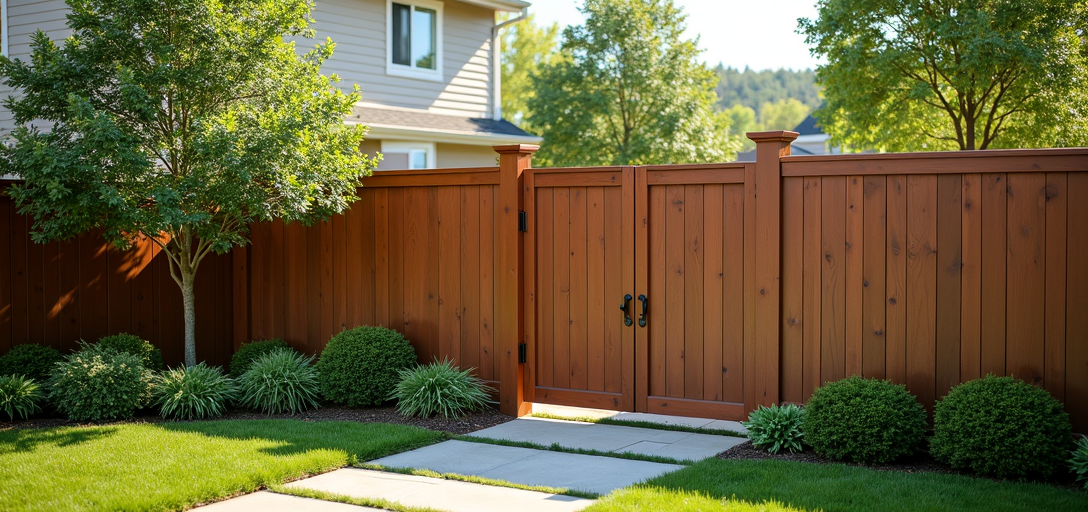
Understanding Privacy Fence Styles for Homeowners
Privacy fences provide more than just seclusion from prying eyes; they’re a vital component in establishing personal space, enhancing aesthetic appeal, and increasing the property's value. As a homeowner, choosing the right fence style involves balancing functionality with aesthetics, cost, durability, and maintenance requirements. This guide delves into various privacy fence styles prevalent in the United States to help homeowners make informed decisions.
Why Homeowners Choose Privacy Fences
Privacy fences are a popular choice for homeowners for a variety of reasons. Firstly, they offer a clear boundary that delineates property lines, reducing disputes with neighbors. In addition to physical security, these fences provide emotional peace by reducing noise and increasing privacy, crucial for those living in bustling neighborhoods or near busy streets.
- Security: A solid privacy fence can act as a deterrent to intruders.
- Noise Reduction: Helps in muffling noises from traffic and neighborhood activities.
- Aesthetic Value: Enhances the home’s exterior, contributing to curb appeal.
- Resale Value: Many potential buyers seek properties with established privacy measures.
Popular Privacy Fence Styles in the US
The choice of fence style can be overwhelming given the myriad of options available. Below are some of the most popular styles that have stood the test of time in the US.
Wooden Privacy Fences: Timeless and Versatile
Wooden fences are a classic choice due to their natural look and versatility. They can be painted or stained to match the home’s aesthetics and are known for their sturdy construction. Common styles include:
- Stockade: Offers a classic, tightly fitted design to ensure maximum privacy.
- Board-on-Board: Features overlapping boards that provide a chic look while maintaining privacy.
- Horizontal: Aligns boards horizontally for a modern, sleek design.
According to a 2026 report by the American Fencing Association, wood remains the most popular material for residential fences in the US, accounting for about 50% of sales [American Fencing Association].
Vinyl Privacy Fences: Durable and Low Maintenance
Vinyl fences are becoming increasingly popular due to their durability and low maintenance. They are resistant to rot, insects, and are easy to clean, making them ideal for homeowners who want hassle-free fencing solutions.
- Solid Panel: Provides full privacy with a clean, uninterrupted look.
- Shadowbox: Alternating panels create visual interest from both sides, while still offering privacy.
In recent years, innovations in vinyl manufacturing have led to weather-resistant variants, particularly useful in regions prone to extreme weather [US Fence Guide].
Composite Fences: Eco-Friendly and Stylish
Composite fences, made from recycled wood fibers and plastic, offer the appearance of wood with added durability. They are environmentally friendly and come in a variety of styles and colors.
- Bamboo Composite: Offers an exotic appearance while being environmentally sustainable.
- Stone-like Finish: Mimics the appearance of stone with the flexibility and lightness of composite.
Composite fencing materials are praised for their sustainability and require minimal care, making them a top choice among eco-conscious homeowners in 2026 [Composite Fence Industry Association].
Metal Fences: Modern and Urban Friendly
Metal fences, particularly those made from aluminum and steel, are known for their strength and security. While offering less privacy compared to solid wood or vinyl fences, they’re ideal for modern aesthetics.
- Aluminum Slats: Provides a semi-privacy barrier while being resistant to rust and corrosion.
- Steel Wrought Iron: Offers a classic, elegant look with the durability of steel.
Metal fences are often chosen for their longevity and minimal maintenance needs, with many designs available that cater to diverse architectural styles.
Factors to Consider When Choosing a Privacy Fence
Selecting the right privacy fence requires considering multiple factors that balance personal preferences with practical needs.
- Budget: Fencing costs can vary significantly by material, height, length, and design complexities. It's essential to set a realistic budget that includes installation and maintenance costs.
- Climate: Consider the local climate. Certain materials like wood might require more maintenance in humid areas, whereas vinyl and metal fare better in fluctuating temperatures.
- Regulations: Check local zoning laws and homeowners association rules regarding height and type of fences allowed.
- Maintenance: Determine how much upkeep you're willing to perform, as materials like wood may need regular sealing or painting, whereas vinyl and composite are relatively maintenance-free.
- Installation: Decide whether you’ll undertake a DIY project or hire professionals, keeping in mind that complex installations might necessitate expert help to ensure structural integrity.
Conclusion
Privacy fences are an integral part of a homeowner's exterior design and personal space management. As trends continue to evolve, selecting the right style hinges on personal preference balanced with durability, cost, and local climate considerations. Whether gravitating towards the timeless appeal of wood, the low-maintenance allure of vinyl, or modern metal aesthetics, each style promises to bolster home privacy while enhancing property value.