Exploring Real Options for Free Orthodontic Care for Children
Discover how free braces programs for kids could make orthodontic care more accessible. Dental health is crucial for growing children, and these programs aim to provide affordable solutions. Learn about eligibility criteria and how to apply for assistance.
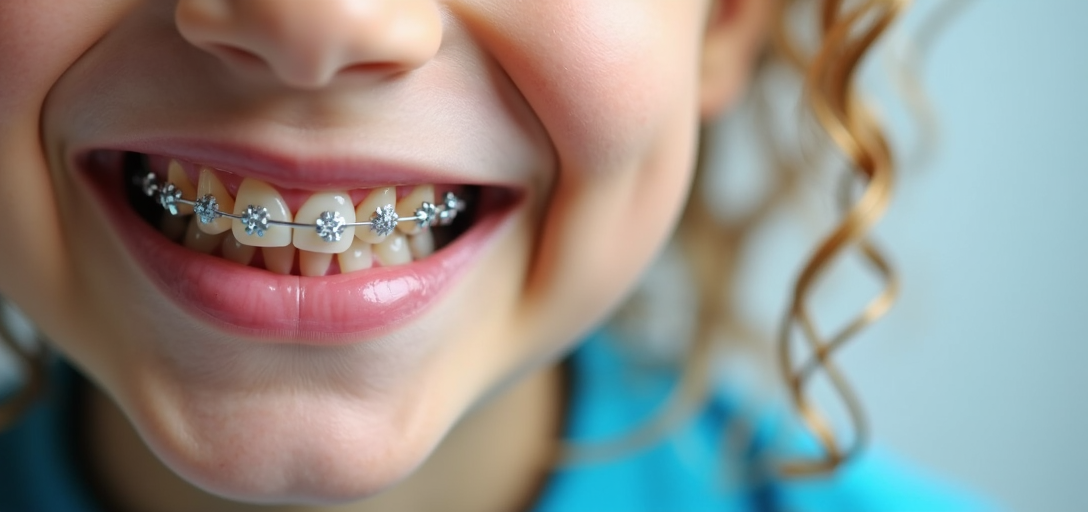
Understanding Free Braces Programs for Kids
Orthodontic care can be a significant financial burden for families, but ensuring your child has a healthy smile is essential. Free braces programs for kids are lifesavers for many families who cannot afford orthodontic treatments. These programs provide children with the opportunity for necessary dental treatments that might otherwise be outside their family's reach.
Why Are Free Braces Programs Important?
According to the American Association of Orthodontists, children should have their first orthodontic evaluation by age seven. Identifying and correcting dental problems early can avoid more severe issues down the road. However, understanding the costs associated with orthodontic care highlights why free braces programs are so important. In 2026, the average cost for braces in the U.S. ranges from $3,000 to $7,500 depending on the type and duration of treatment.
Eligibility for Free Braces Programs
Various factors can affect whether a child qualifies for free braces. Although eligibility criteria can vary by program, common requirements often include:
- Income level: Many programs are need-based, offering help to families with low or moderate income. The specifics can depend on federal poverty level guidelines.
- Age: Free braces programs usually target children, often specifying age limits such as up to 18 years.
- Dental health needs: Some programs prioritize children with significant orthodontic needs that could affect their health.
- Residency: Many programs are state or locally funded, so residency within a particular area can be a criterion.
Where to Find Free Braces Programs
Several organizations and resources offer free braces programs. Some of the prominent ones include:
- Smiles Change Lives: A national nonprofit providing affordable orthodontic care for qualifying children. Families pay only a small fee, but children must meet specific criteria to qualify. Learn more here.
- Donated Orthodontic Services (DOS): Offered by the American Association of Orthodontists Foundation, DOS gives free treatment to children from families with financial hardships. The program is available in several U.S. states.
- Medicaid and CHIP: In some states, Medicaid and the Children's Health Insurance Program cover orthodontic care for children if deemed medically necessary. Coverage varies widely by state and case.
Parents should reach out to these organizations or their local dental societies to determine what resources are available in their areas.
The Application Process
Applying to a free braces program typically involves several steps:
- Research: Identify programs for which your child may qualify and gather information on their specific requirements and deadlines.
- Documentation: Prepare income statements, tax returns, dental or medical records, proof of residence, and other required documents.
- Application: Complete and submit application forms online or by mail, depending on the program's preferred method.
- Consultation and Evaluation: If selected, your child may undergo an orthodontic assessment to qualify for treatment.
This process can take time, so early application and dedication are crucial.
Challenges and Considerations
While these programs offer vital services, there are challenges to be aware of:
- Limited Availability: Due to high demand and limited funding, not all who apply can receive free braces.
- Geographical Limitations: Program availability varies greatly by region, and some rural areas may have fewer resources.
- Waiting Lists: Many programs have extensive waiting lists due to high demand, so patience is required.
Given these challenges, parents should explore all potential resources, including payment plans, sliding scale fees, or charitable organizations.
The Impact of Orthodontic Care on Children's Lives
The importance of orthodontic care extends beyond aesthetics. Proper orthodontic treatment can lead to improved oral health, corrected bites, easier cleaning of teeth, and boosted self-esteem. A straightened smile often results in better long-term dental health and enhanced confidence, crucial aspects of personal and professional life.
Data from the Journal of Dental Research in 2026 indicates that children who receive orthodontic treatment show a significant improvement in their overall oral hygiene and self-confidence, directly impacting their quality of life.
Conclusion
Free braces programs for kids are a vital resource for families struggling with the cost of orthodontic care. While navigating the application process can be daunting, the potential benefits for children are immeasurable. Parents are encouraged to explore these opportunities thoroughly to provide their children with a brighter, healthier future. With persistence and patience, accessing free orthodontic care could be a reality for your child.