Exploring Roof Coverage Options: A Guide to Financial Assistance in 2026
Curious about how much money can you get covered towards roofing in 2026? This article explores the factors that influence coverage amounts, including policy changes and regional differences.
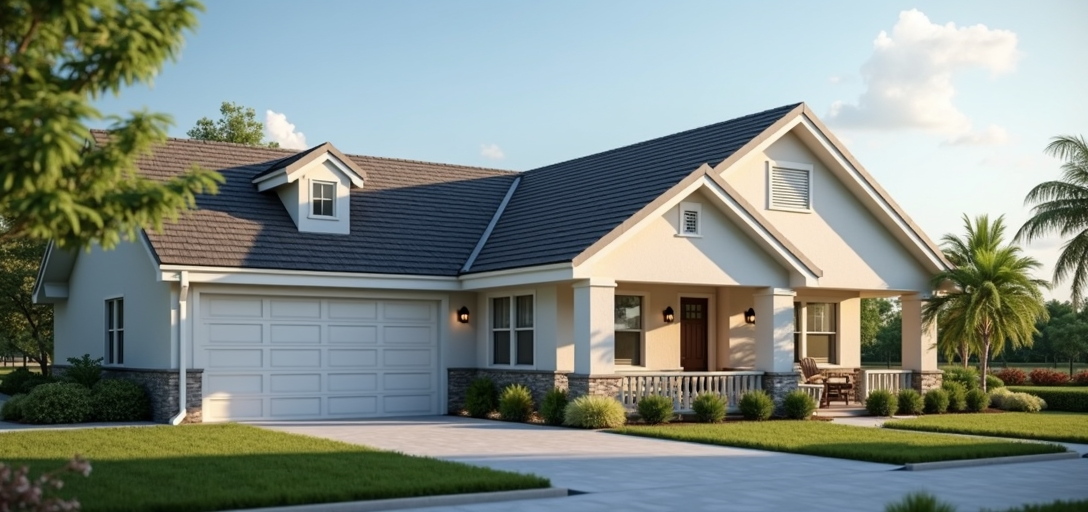
Understanding Roofing Coverage in 2026
Homeowners in the United States often grapple with the costs of maintaining their homes, and roofing is no exception. As we step into 2026, many are curious about the financial assistance available for roofing repairs or replacements. This article delves into the nuances of roofing coverage, outlining the types, eligibility criteria, and how much you can expect to be covered.
Types of Roofing Coverage
To comprehensively understand the financial assistance available for roofing, it’s crucial first to identify the types of coverage offered:
- Homeowners Insurance: Typically covers damages caused by unexpected events such as storms, fires, or vandalism. However, general wear and tear or neglect are often excluded.
- Manufacturer's Warranty: This is provided by the roofing material manufacturer and usually covers defects in materials, but not installation errors.
- Contractor's Warranty: Offered by the roofing contractor, it generally covers installation workmanship but not material failure.
- Government Grants and Programs: Various state and federal programs can assist with roofing costs, especially for low-income families or disaster recovery efforts.
Eligibility Criteria for Coverage
Eligibility for roofing coverage can vary depending on the type of coverage and the provider. Here are some common considerations:
- Policy Terms: Your insurance policy should be scrutinized for terms related to roofing damage. Some policies might require regular maintenance checks or certifications.
- Age of Roof: Many insurers consider the age of your roof. A newer roof might warrant better coverage terms compared to a roof nearing the end of its lifespan.
- Reason for Damage: Coverage is often contingent on the cause of damage. Documenting the event, such as a storm with photos or news articles, can be pivotal in making your case.
- Income Levels: For government or local aid programs, income levels play a significant role in determining eligibility. Checking with local housing authorities can provide guidance on available assistance.
How Much Money Can You Really Get Covered?
The amount covered can significantly vary. Here's a closer look at potential coverage scenarios:
Insurance Coverage
In 2026, the average homeowners insurance claim for roofing damage can cover anywhere from 70% to 90% of the total repair or replacement costs, depending on the terms of your policy and deductible. Insurers might cover up to $15,000-$40,000 for major repairs after deductibles and depreciation.
Government Programs
Federal and state programs often cover a substantial portion of roofing costs for those who qualify:
- FEMA Assistance: Can cover 50% to 75% of repair costs post-disaster for eligible applicants.
- Weatherization Assistance Program (WAP): Designed to improve energy efficiency in homes, which sometimes includes roofing repairs, especially in harsh climates.
Manufacturer and Contractor Warranties
Manufacturer warranties might cover the cost of defective materials, which can be a few thousand dollars, depending on the scope of the issue. Contractor warranties typically do not cover material but focus on correcting installation issues.
Practical Steps to Maximize Your Coverage
To ensure you receive the maximum possible assistance, consider these proactive steps:
Regular Roof Inspections and Maintenance
Conduct periodic inspections, ideally bi-annually, to catch issues early. This not only helps with insurance claims but extends the lifespan of your roof. Document these inspections as evidence for potential claims.
Filing Insurance Claims
When you need to file a claim:
- Act quickly post-damage to avoid exacerbating problems.
- Compile detailed records, including photos and damage assessments.
- Review your policy thoroughly to understand coverages and responsibilities.
- Work with your insurance adjuster and provide ample evidence supporting your claim.
Leveraging Grants and Aid Programs
Research and apply for grants. Keeping abreast of the latest programs through local housing authorities or online platforms like HUD can be beneficial.
The Future of Roofing Costs and Coverage
As climate change continues to influence severe weather patterns, and roofing materials and labor costs remain dynamic, the landscape for roofing coverage in the US will evolve. Staying informed about these developments is crucial for homeowners to navigate and leverage available resources optimally.
Conclusion
Understanding the coverage options and potential financial assistance for roofing in 2026 is essential for homeowners. Whether through insurance, grants, or warranties, knowing what support you can receive aids in better managing one of the most significant aspects of home maintenance. Staying informed and proactive in maintenance can save costs and provide peace of mind.
For more nuanced assistance, consider consulting with roofing specialists or financial advisors who can provide tailor-made advice based on individual circumstances.