Exploring Solutions for Loose Dentures and Missing Teeth
Discover the options available if you're experiencing loose dentures or missing teeth. Each solution offers different benefits that might suit your needs. Whether it's improving comfort or enhancing aesthetics, explore thoughtful considerations without guarantees.
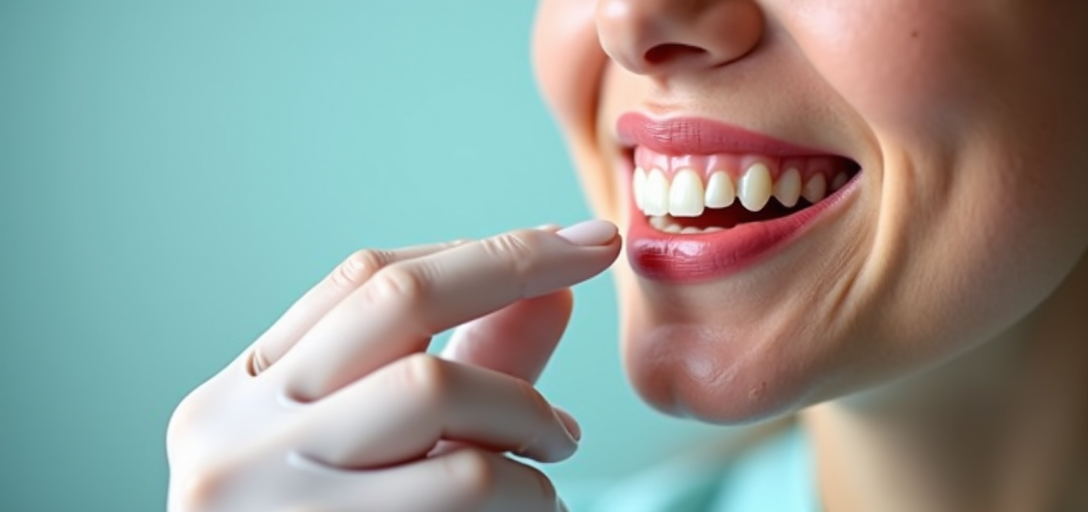
Understanding Loose Dentures and Missing Teeth
Missing teeth and loose dentures are common dental issues that many people face. Whether due to age, injury, or other dental conditions, it's crucial to address these problems to maintain both oral health and quality of life. In 2026, advancements in dental technology and treatment options make it easier than ever to find a suitable solution tailored to your needs. This article will help you explore the options available and guide you in making an informed decision.
Why Do Dentures Become Loose?
Dentures can become loose for several reasons, often affecting comfort and function. Here are the primary causes:
- Inevitable Oral Changes: As we age, our gums and bones naturally shrink, altering the fit of dentures.
- Wear and Tear: Over time, the materials used in dentures can wear down, causing them to fit less securely.
- Poor Initial Fit: Sometimes, dentures are not fitted correctly from the start, leading to issues down the line.
Addressing these issues usually involves either relining or replacing the existing denture to ensure a snug fit.
Options for Addressing Loose Dentures
With the discomfort and inconvenience that come with loose dentures, finding the right solution is paramount. Here are some of the most common solutions used in 2026:
Denture Adhesives
Dental adhesives are often a first step for increasing denture stability. Modern adhesives are more effective than ever, providing a temporary fix until a more permanent solution is found. They can be applied in the form of cream, powder, or strips, and should be chosen based on personal preference and comfort.
Denture Relining
This process involves adding a new acrylic layer to the side of the denture that touches the gums, improving its fit. It's a cost-effective solution typically recommended when the denture is structurally intact but doesn't fit as well as it used to.
Overdentures
For a more secure fit, overdentures can be attached to remaining teeth or dental implants. This solution provides better stabilization than conventional dentures and helps preserve the underlying oral structures. Overdentures are an excellent option for those looking for a balance between affordability and effectiveness.
Understanding Dental Implant Options for Missing Teeth
Using dental implants to address missing teeth is increasingly popular due to their durability and natural appearance. Ideal candidates for dental implants have good oral health and sufficient bone density. Here are some options:
Single Tooth Implants
A dental implant often consists of a titanium post inserted into the jawbone, serving as a replacement root. A crown is then placed on top. This method provides a permanent, natural-looking solution and helps preserve surrounding teeth.
All-on-4 Implants
This option supports an entire arch of teeth using just four implants, and it's particularly useful for patients who have multiple missing teeth. The procedure provides a stable and lasting alternative to traditional dentures within a shorter time frame.
Mini Implants
As a less invasive option, mini implants work well for those with lower bone density who may not qualify for standard implants. They require less bone mass and are generally simpler and faster to place.
Making the Right Choice
Deciding which option is right for you depends on several factors including budget, oral health, and personal preferences. Here are steps to guide your decision:
- Consult with a Professional: A thorough dental examination will help identify the best treatment for your situation. Your dentist can provide insights into the benefits and drawbacks of each option.
- Consider Long-Term Results: While solutions like dental implants may involve higher upfront costs, they often boast superior longevity and functionality.
- Assess Your Comfort Levels: Some individuals may prioritize solutions that require minimal maintenance and adjustment over time.
Conclusion
Whether dealing with loose dentures or missing teeth, the good news is that 2026 offers excellent solutions that were unimaginable just a few years ago. By understanding your options and consulting with your dental professional, you can make a choice that enhances your oral health and quality of life. Remember, a healthy smile is always worth the investment.
For further information, you might find these resources helpful: