Exploring the Appeal of Bank-Owned Abandoned Homes for Savvy Buyers
Discover the allure of bankowned abandoned homes for savvy buyers. These properties often offer unique opportunities in today's real estate market. Buyers are drawn to these homes for potential value and investment prospects.
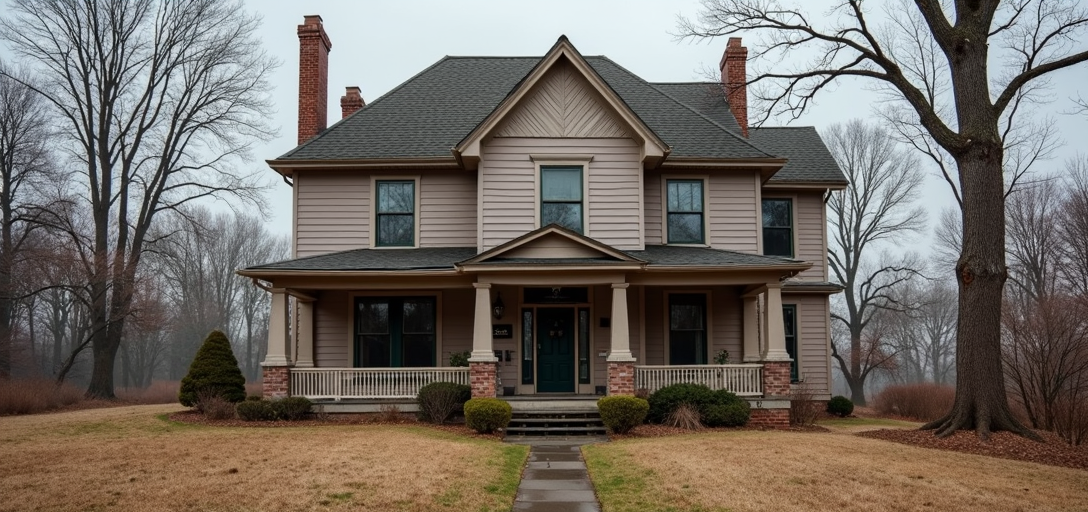
Understanding Why Buyers Are Interested In Bank-Owned Abandoned Homes
In recent years, an increasing number of buyers have shown interest in bank-owned abandoned homes. These properties, often referred to as REOs (Real Estate Owned), present unique opportunities and challenges for investors and new homeowners alike. Buyers are drawn to these properties for a variety of reasons, from the potential for significant discounts to the chance to renovate or flip houses for profit. In this article, we will explore the reasons why buyers are interested in bank-owned abandoned homes, the risks and benefits involved, as well as provide insights into the process of purchasing these unique properties.
What Are Bank-Owned Abandoned Homes?
Bank-owned abandoned homes are properties that belong to lenders as a result of a foreclosure. When homeowners default on their mortgage payments, lenders may repossess the homes to recoup the unpaid debt. After the foreclosure process, if the home does not sell in a foreclosure auction, it becomes an REO property. Banks or credit institutions then assume ownership and are responsible for these properties until they can be sold to recapture their losses.
Reasons Buyers Are Interested in These Properties
1. Competitive Pricing
One of the most significant attractions of bank-owned homes is their often reduced price. Banks are primarily concerned with recouping their losses and usually willing to sell these properties for less than market value. According to a report from RealtyTrac (2026), REO properties tend to sell at a discount of about 20% compared to non-distressed properties.
2. Investment Opportunities
Many investors see buying REOs as a prime opportunity to renovate and flip homes for a profit. The lower initial costs can lead to higher profit margins after restoring the property to a marketable state. The National Association of Realtors (2026) notes a steady increase in investment purchases, with many investors targeting distressed properties.
3. Fewer Competition
Unlike bidding wars often associated with conventional home purchases, REOs may attract fewer buyers, offering a competitive advantage for those willing to engage in potentially more complicated buying processes.
Understanding the Risks
While the benefits can be substantial, purchasing bank-owned abandoned homes is not without risks:
- Hidden Repairs: Many of these properties may have been vacant for extended periods, leading to deterioration or vandalism. Buyers may encounter unexpected repair costs.
- Due Diligence: The buyers often need to conduct thorough inspections and research, which can be time-consuming and sometimes costly.
- Lengthy Purchase Process: Purchasing an REO can be more complicated than a conventional sale, involving longer timelines and more paperwork because banks might have specific procedures and conditions.
Steps to Purchasing Bank-Owned Properties
1. Financing Preparation
Securing financing is a critical step before engaging in purchasing any property and especially true for REOs. Being pre-approved for a mortgage can enhance your standing with banks and may make the purchase process smoother.
2. Engage With a Real Estate Agent Experienced in REOs
An agent who knows the nuances of REO transactions can greatly assist in navigating the complexities of these purchases and advise on comparable market analyses.
3. Conduct Thorough Property Inspections
Since REOs are typically sold "as is," prospective buyers should invest in a professional home inspection to uncover any potential issues with the property. This helps in estimating repair costs accurately, weighing the benefits against the projected investment return.
4. Bid Competitively
While REOs may offer opportunities for discounts, it's important to present reasonable offers based on market research and condition assessments. Underbidding may result in losing the property to more competitive offers.
Conclusion
The rising interest in bank-owned abandoned homes is unsurprising given the numerous potential benefits. However, buyers must balance these opportunities with due diligence and careful consideration of the associated risks. By understanding the process, assessing risks, and making informed decisions, buyers can successfully navigate the world of REO purchases. Whether for personal use or investment, these properties can be a rewarding venture if approached with the necessary preparation and understanding.
Further reading on current trends and advice on bank-owned properties can be found in publications such as Realtor.com's Foreclosure and Renovation Reports 2026 and the Investopedia Guide to Bank-Owned Homes.