Exploring the Benefits of Home Battery Systems for a Sustainable Future
Thinking about energy independence and savings? Discover why you should consider a home battery. Learn how pairing a home battery with solar panels could help manage electricity costs and provide backup power during outages. Explore the benefits of storing solar energy for use when you need it most.
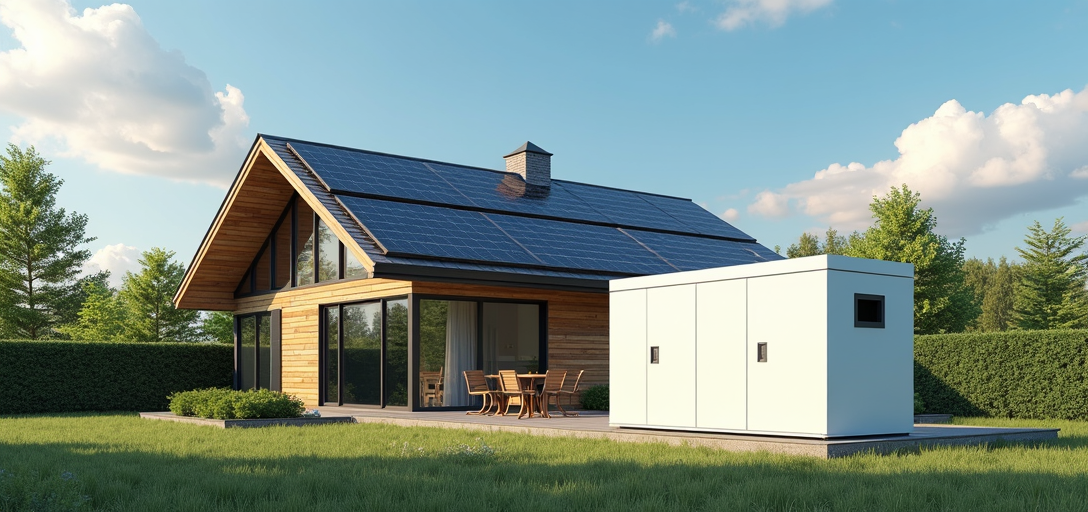
Understanding the Role of Home Batteries
In the wake of increasing environmental concerns and fluctuating energy costs, home batteries have gained significant attention in the United States. A home battery system stores energy which can be consumed later, allowing homeowners to manage their energy use more efficiently. These batteries can be charged using various energy sources, including solar panels and the electrical grid.
How Home Batteries Work
Home battery systems operate by storing excess electricity generated by your household or purchased from the grid during off-peak hours. The stored energy can be used during power outages, peak usage hours, or when generating power is expensive. This capability provides homeowners with an additional layer of energy security and cost savings. For example, the Tesla Powerwall—one of the popular choices in home batteries—can store up to 13.5 kWh of energy, which can power an average U.S. home for about a day in the event of a power outage.
Benefits of Considering a Home Battery
Energy Independence and Resilience
One of the foremost reasons to consider a home battery is the independence it offers from the traditional power grid. This independence is crucial during natural disasters or grid failures. According to a 2026 report by the U.S. Energy Information Administration, the average American faces about 8 hours of power outages annually. A home battery can effectively bridge these gaps, ensuring uninterrupted power supply.
Cost Savings
By utilizing stored energy during high-cost peak hours, homeowners can significantly reduce their electricity bills. Many utility companies offer time-of-use pricing, where electricity is cheaper during off-peak times. By charging their batteries during these periods, homeowners can save during peak usage when electricity prices are higher.
Environmental Impact
Switching to renewable energy sources is a significant step in reducing your carbon footprint. Home batteries work exceptionally well with solar panels, which can reduce reliance on non-renewable energy sources. According to a 2026 study by the National Renewable Energy Laboratory (NREL), households using solar PV in conjunction with battery storage can reduce their greenhouse gas emissions by up to 65% compared to those using grid energy exclusively.
Choosing the Right Home Battery
When considering a home battery, it is essential to evaluate factors such as capacity, lifespan, size, and compatibility with existing systems.
Capacity and Power
The capacity of a home battery, measured in kilowatt-hours (kWh), determines how much energy it can store. For households with higher energy consumption, a battery with a larger capacity like the LG Chem RESU Prime, which offers up to 16 kWh, might be more suitable.
Battery Lifespan
Most home batteries are rated for a certain number of cycles (charging and discharging) or years. For example, a battery like the Enphase Encharge is known for its durability and can provide up to 10,000 cycles, translating into roughly 10 years of operation under normal usage.
Installation Considerations
Proper installation by a certified professional is crucial to ensure safety and efficiency. It is also recommended to check your local regulations and permitting requirements, as these can vary widely across different states.
Top Home Battery Solutions in 2026
- Tesla Powerwall: Offers seamless integration with solar systems, reliable in off-grid applications.
- LG Chem RESU: Known for its compact design and high efficiency.
- Enphase Encharge: Provides flexibility with its modular design allowing easier capacity upgrades.
Cost and Incentives
The cost for home battery systems ranges widely depending on capacity and brand, typically between $3,000 to $10,000. However, numerous incentives and rebates can lower this cost. For instance, the federal Solar Investment Tax Credit (ITC), recently extended in 2026, can reduce the cost by up to 30%.
Conclusion
Investing in a home battery system offers numerous advantages, from enhancing energy resilience and independence to substantial savings and environmental stewardship. As battery technologies continue to advance, the efficiency and affordability of these systems are expected to improve, making them a worthwhile consideration for any homeowner looking to sustain energy efficiency and reliability.