Exploring the Costs: Do Cruise Lines Really Charge Double for Solo Travelers?
Explore the pricing policies of popular cruise lines and discover if solo travelers really pay double. While some cruise lines may charge a single supplement, others offer enticing deals for solo travelers.
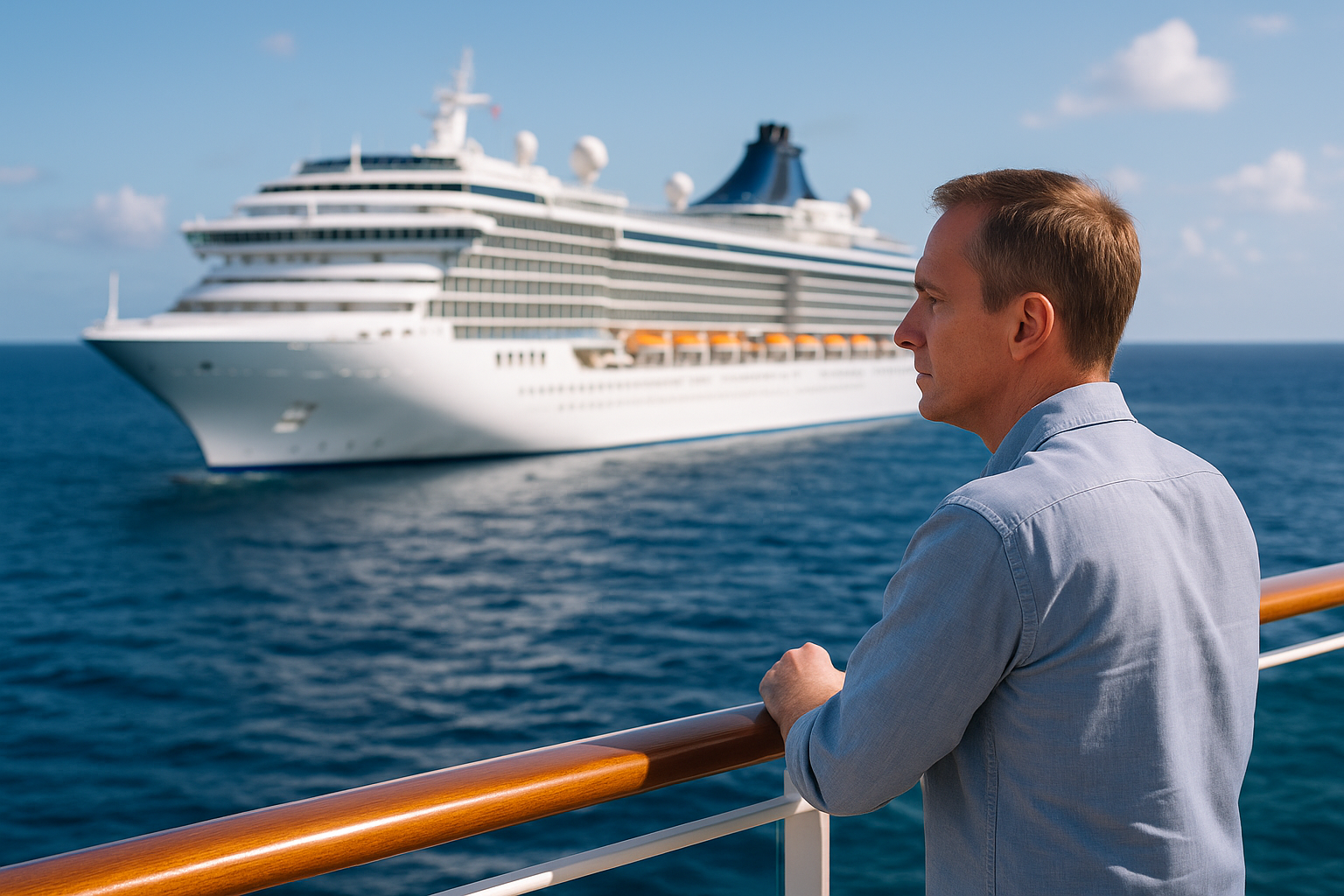
Understanding Single Supplement Fees in the Cruise Industry
Cruising is a popular vacation choice, offering a unique mix of travel, relaxation, and entertainment. However, solo travelers often face the challenge of extra charges known as single supplement fees. This article delves into whether cruise lines charge double for solo travelers, why such fees exist, and how travelers can avoid or mitigate them.
What is a Single Supplement Fee?
A single supplement fee is an additional charge imposed on travelers who occupy a cabin alone. Cruise pricing typically assumes double occupancy, meaning rooms are priced for two people. If a solo traveler books alone, they're essentially paying for the 'missing' passenger, hence the fee. The amount can vary significantly, often ranging from 50% to 100% of the standard per-person rate.
Why Do Cruise Lines Charge This Fee?
The cruise industry operates on a business model that maximizes occupancy. Cabins designed for two yield more revenue when both spots are filled. Therefore, imposing a single supplement helps cruise lines recoup potential lost revenue from the empty berth. Additionally, the cost of operating a cruise - including meals, services, and entertainment - remains constant regardless of how many people occupy a room.
How Much is a Typical Single Supplement?
According to a 2026 industry report by the Cruise Lines International Association (CLIA), single supplements can range from 25% to 100% of the per-person double occupancy rate. Some luxury cruise lines may completely waive this fee, while budget-friendly options might price intrepid solo travelers out altogether. The average appears to be around 75% of the cost of a second traveler.
Options for Solo Travelers: Avoiding or Reducing Supplement Fees
While single supplements can deter solo travelers, cruise lines are increasingly accommodating this growing market segment. Here are strategies and options to consider:
1. Seek Out Cruise Lines with Solo Cabins
- Norwegian Cruise Line: Known for their "Studio" staterooms specifically designed for solo travelers, eliminating the need for a single supplement.
- Royal Caribbean: Offers single-occupancy staterooms on select ships, with amenities similar to those found in regular cabins.
These dedicated cabins designed for one person can offer a more cost-effective option without the need to pay extra.
2. Consider Last-Minute Deals
Cruise lines might waive or significantly reduce the single supplement for last-minute bookings to fill unsold cabins. Websites specializing in cruise deals often have alerts for reduced single supplements. This requires flexibility with travel dates and destinations, but it can lead to significant savings.
3. Travel During Off-Peak Times
Sailing during less popular times of the year, such as the low season (typically in the fall or early spring), can increase the chances of finding cruise lines offering reduced or no single supplement fees. Supply exceeds demand during these periods, leading cruise lines to offer more attractive pricing.
Real-World Tips for the Solo Cruiser
Solo cruising can be a rewarding experience that offers opportunities to meet new people, try new activities, and enjoy the freedom of traveling at your own pace. Here are additional tips:
Engage in Social Activities
Many cruise lines offer specific events for solo travelers, like cocktail parties or special dining arrangements where single travelers can meet. Engaging in these activities can enrich the travel experience and create social opportunities.
Utilize Technology
Platforms and forums like Cruise Critic can connect solo travelers before departure, allowing connections and fare-share arrangements. This can sometimes help to avoid single supplement fees if you find a compatible cabin mate.
Leverage Loyalty Programs
Frequent cruisers can benefit from loyalty programs that might offer reduced or waived single supplements as a perk. Regularly review these offerings as they can add substantial value over time.
Conclusion: Choosing the Right Cruise
While single supplements can initially seem daunting for solo travelers, increasing competition among cruise lines has led to more accommodating policies and dedicated options. By considering the strategies outlined and researching which lines provide the best accommodations for solo travelers, you can find a cruise that fits both your budget and travel style.
Ultimately, successful solo cruising involves a combination of strategic planning, timing, and a little bit of research into the offerings of different cruise lines.
For further reading, explore resources such as the Cruise Critic and the Cruise Lines International Association for additional insights and updates on the latest deals and policies.