Exploring the Effectiveness of Laser Treatment for Genetic Eye Bags
Explore whether laser treatment might help reduce the appearance of genetic eye bags. This article delves into how laser treatment works, its potential benefits, and considerations to keep in mind.
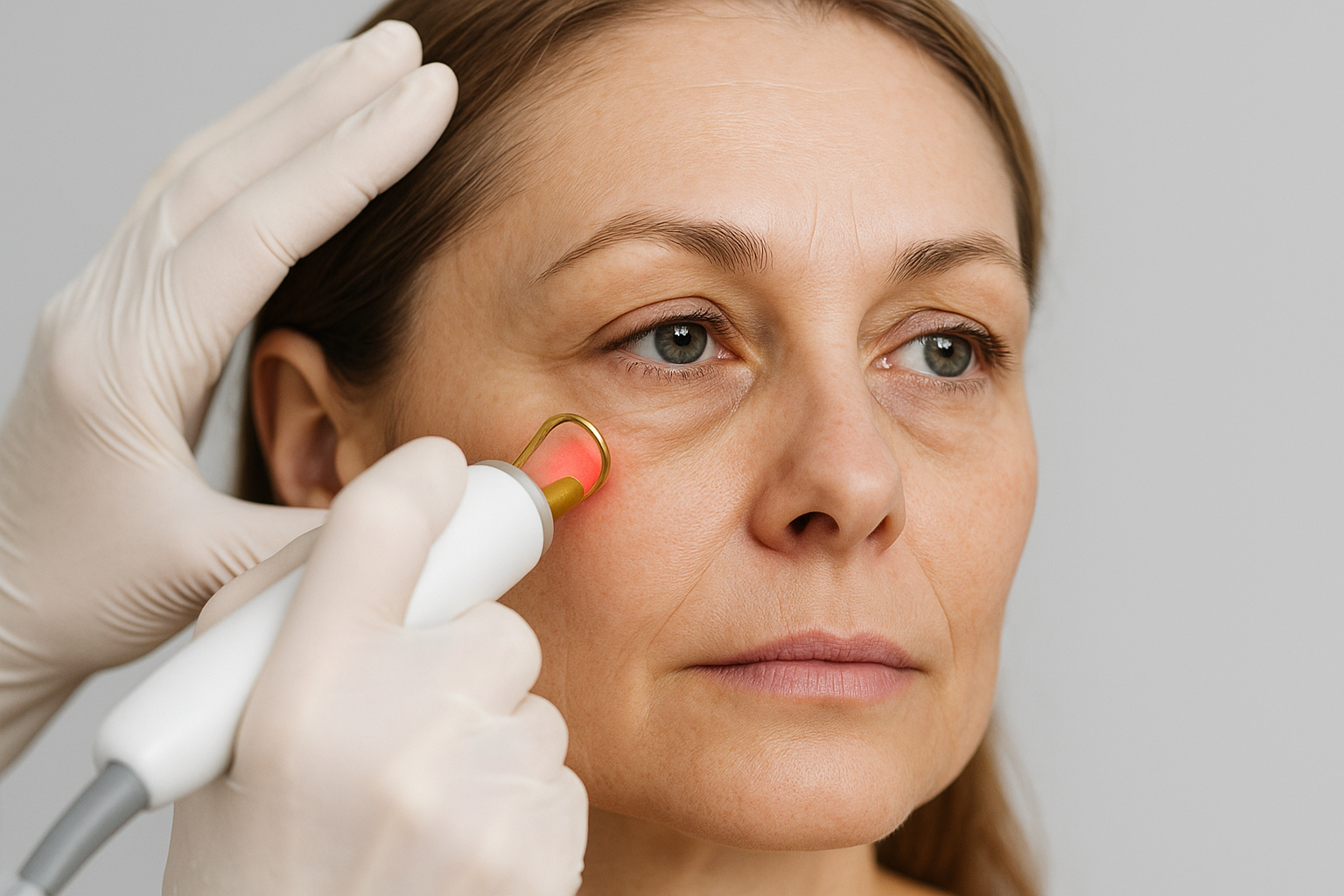
Understanding Genetic Eye Bags
Genetic eye bags are a common cosmetic concern, primarily characterized by puffiness or mild swelling beneath the eyes. These bags are not necessarily related to poor sleep or lifestyle choices but are often inherited traits passed down through generations. They occur due to the weakening of muscles and tissues supporting the eyelids, coupled with the natural fat that moves into the lower eyelids, causing them to appear puffy.
Eye bags can affect people of all ages but become more prominent as we age. The situation can worsen due to fluid retention, allergies, or chronic stress. Many people seek various treatments to address this genetic trait, ranging from topical applications to more invasive surgical procedures.
What Is Laser Treatment?
Laser treatment is a non-invasive procedure that utilizes focused light energy to address various skin issues, including genetic eye bags. The lasers penetrate the skin at different layers, prompting the body’s natural healing processes and encouraging collagen production. This, in turn, tightens the skin and reduces the appearance of puffiness.
Laser treatments can be effective for addressing pigmentation issues, wrinkles, and, specifically, the appearance of genetic eye bags. Various types of lasers, such as CO2 lasers and erbium lasers, are used based on the severity and specific needs of the skin area being treated.
Types of Lasers Used for Eye Bags
- CO2 Lasers: These are often used for deeper penetration and are especially effective in treating more prominent cases of genetic eye bags. They work by removing the outer layers of damaged skin and stimulating collagen production.
- Erbium Lasers: This type is ideal for milder cases and is known for causing fewer side effects compared to CO2 lasers. Erbium lasers target the superficial layer of the skin, minimizing surrounding tissue damage.
Benefits of Laser Treatment for Genetic Eye Bags
Laser treatments offer several advantages for individuals looking to reduce genetic eye bags without opting for invasive surgery. Some of the potential benefits include:
- Non-invasive Method: Laser treatment is significantly less invasive than surgical options such as blepharoplasty. It requires no cutting or suturing, offering a safer alternative with reduced recovery time.
- Precision: Lasers provide unparalleled precision, targeting only the affected areas without damaging surrounding tissues.
- Stimulates Collagen Production: By promoting collagen growth, the procedure not only addresses puffiness but also improves skin texture and resilience.
- Minimal Downtime: Most patients can resume normal activities shortly after the procedure, making it a convenient option for those with busy lifestyles.
What to Expect During the Procedure
When considering laser treatment for genetic eye bags, it's essential to understand what the procedure entails. Initially, a specialist will consult with you to determine the most suitable type of laser based on your skin type and the severity of your eye bags. The treatment itself is typically performed in a clinic setting and usually takes between 30 to 60 minutes.
During the procedure, protective eyewear will be placed over your eyes to shield them from the laser. A topical anesthetic may be applied to minimize discomfort. The laser device is then passed over the skin beneath the eyes, delivering focused energy to the targeted areas.
Aftercare and Recovery
Post-treatment, it's common to experience some redness or swelling, similar to a mild sunburn. These effects generally subside within a few days. It's crucial to follow your practitioner's aftercare instructions, which may include avoiding sun exposure, applying specific topical creams, and keeping the treated area moisturized.
Full recovery and optimal results can typically be observed in a few weeks, with continuous improvements as collagen production increases.
Potential Risks and Considerations
While laser treatment for genetic eye bags is generally safe, there are potential risks and side effects to consider:
- Temporary Redness and Swelling: As mentioned, these are common and usually resolve quickly.
- Skin Sensitivity: Some may experience heightened sensitivity in treated areas for a period following the procedure.
- Hyperpigmentation: Although rare, there's a risk of increased pigmentation, particularly in those with darker skin tones.
- Infections: Proper care and hygiene can minimize this risk, but it's worth noting as a potential concern.
It's essential to have a detailed discussion with a licensed dermatologist or cosmetic surgeon who can assess your individual case and advise on the best course of action.
Comparative Insight: Laser Treatment vs. Other Solutions
While laser treatment offers many benefits, it's not the only option available for treating genetic eye bags. Comparatively, here’s how it measures up against other methods:
- Topical Treatments: Over-the-counter creams can provide temporary relief from puffiness but often lack the efficacy of laser treatments for significant genetic cases.
- Surgical Options: Procedures like blepharoplasty can offer dramatic results but come with longer recovery times and higher risks.
- Injectables: Fillers can also be used to smooth out under-eye bags but typically require regular maintenance.
For those seeking a balance between efficacy and minimal downtime, laser treatment offers a viable middle ground.
Conclusion
Laser treatment presents an effective and minimally invasive option for those looking to address genetic eye bags. With technological advancements, these procedures have become more precise and accessible, allowing for significant improvements in self-image with minimal side effects. While every individual's circumstances are unique, consulting with a qualified professional can help determine if laser treatment is the best choice for you.
In the ever-evolving field of cosmetic dermatology, staying informed and weighing the benefits against potential risks ensures that you make the best decision for your skincare needs.