Exploring the Future: A Vision of the 2027 Chevrolet Blazer Design
Wondering what the future holds for the Chevrolet Blazer design? Imagine sleek lines and innovative features that could redefine this iconic vehicle by 2027. While no official designs are confirmed, automotive experts speculate on possible trends that may shape its aesthetic evolution.
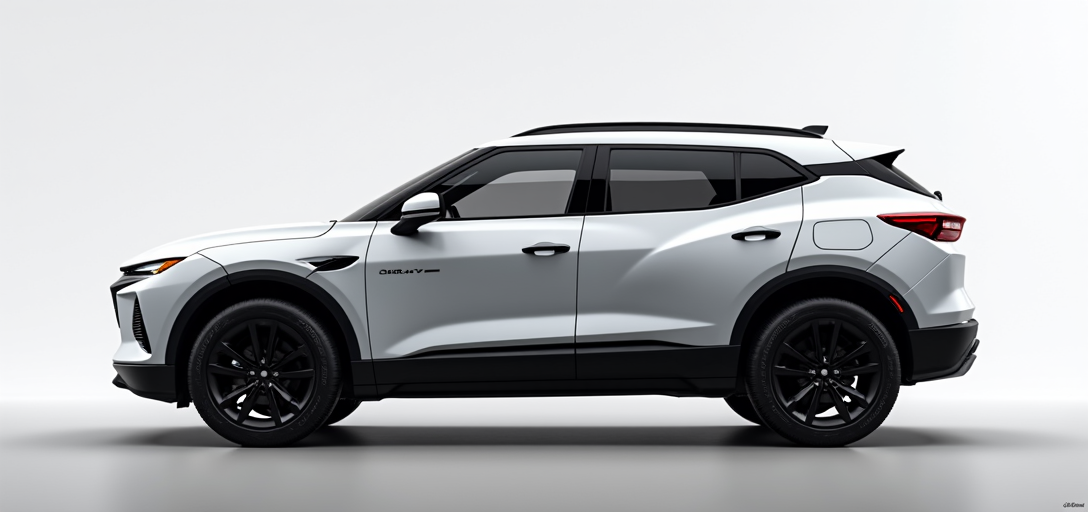
The Evolution of the Chevrolet Blazer
The Chevrolet Blazer has a storied history, having undergone significant changes since its original launch in the late 1960s. As we look towards 2027, potential design updates for the Chevrolet Blazer are highly anticipated by car enthusiasts and industry experts alike. This article explores what those changes might entail, focusing on design, technology, market trends, and the broader implication for SUVs in the U.S. automotive market.
From Past to Present: A Brief History
The Chevrolet Blazer debuted in 1969 as a rugged, off-road vehicle designed to compete with the Ford Bronco and the International Harvester Scout. Over the years, it evolved from a full-size SUV to a mid-size crossover, adapting to market demands and consumer preferences. The latest models are renowned for their sleek design, modern amenities, and robust performance. Understanding the trajectory helps us predict future design directions.
Design Predictions for the 2027 Chevrolet Blazer
Streamlined Aesthetics
By 2027, we anticipate that the Chevrolet Blazer's design will further depart from its boxy roots, adopting a more aerodynamic shape. This aligns with the industry trend of integrating better fuel efficiency and reduced drag. Recent concept cars from GM have showcased smooth lines, futuristic LED lighting, and minimalist grills, which could heavily influence the Blazer's next facelift.
Advanced Material Usage
The use of advanced materials will likely play a significant role in the 2027 Blazer's construction. Expectations include a mix of lightweight yet strong materials like high-strength steel and aluminum, which improve performance and reduce fuel consumption. According to a 2026 report by the Center for Automotive Research, incorporating composite materials can decrease vehicle weight by up to 30% while maintaining safety standards.
Interior Innovations
The interior design of the Chevrolet Blazer in 2027 is expected to emphasize comfort, connectivity, and modularity. Features might include:
- A customizable digital dashboard for seamless integration with personal devices.
- Enhanced touch interfaces and voice commands to streamline user interaction.
- Sustainable materials, such as recycled fabrics and eco-friendly leather alternatives.
According to the J.D. Power 2026 Automotive Performance, Execution and Layout (APEAL) Study, consumer preferences are increasingly driven by advanced in-car technology, suggesting that connectivity features will be crucial in future models.
Technological Advancements
Electric and Autonomous Features
With governments and consumers pushing for greener technologies, the Blazer could see electrified versions, possibly offering hybrids or full electric models. Additionally, autonomous driving capabilities are likely to become more common. The 2026 proposal by the U.S. Department of Transportation for increased investment in autonomous vehicles supports this potential direction.
Enhanced Safety Systems
Chevrolet is expected to fortify the Blazer with cutting-edge safety systems. Advanced Driver Assistance Systems (ADAS), including lane-keeping assist, adaptive cruise control, and autonomous emergency braking, will likely come standard. The Insurance Institute for Highway Safety (IIHS) reports that vehicles equipped with such technologies experience substantially fewer accidents.
Market Trends Influencing Design
Consumer Preferences
U.S. consumer preferences are leaning towards versatile, tech-savvy vehicles with sustainable credentials. The shift towards electric vehicles (EVs) is significant, with the Electric Drive Transportation Association forecasting a doubling of EV sales by 2030, influenced by rising environmental awareness and policy incentives.
Competitive Landscape
The SUV market is highly competitive. Rivals such as the Ford Bronco and the Jeep Grand Cherokee have set high standards. For Chevrolet to maintain its competitive edge, innovations in design, technology, and performance will be crucial. According to a 2026 Motor Trend article, staying ahead requires a blend of innovation and adaptation to changing market dynamics.
Conclusion
The potential design and technological advancements of the Chevrolet Blazer in 2027 demonstrate the evolving nature of the automotive industry. As the demands of modern consumers continue to shift, Chevrolet appears poised to meet these challenges head-on by combining its rich heritage with cutting-edge innovations. Whether through aerodynamic designs, sustainable features, or advanced technologies, the future Blazer promises an exciting evolution in the realm of midsize SUVs.