Exploring the Future: Visionary Designs of Assisted Living Spaces for 2030
Discover how assisted living rooms may transform by 2030 with innovative designs and smart technology. While there's no guaranteed roadmap, experts predict these living spaces could offer enhanced comfort and connectivity for residents.
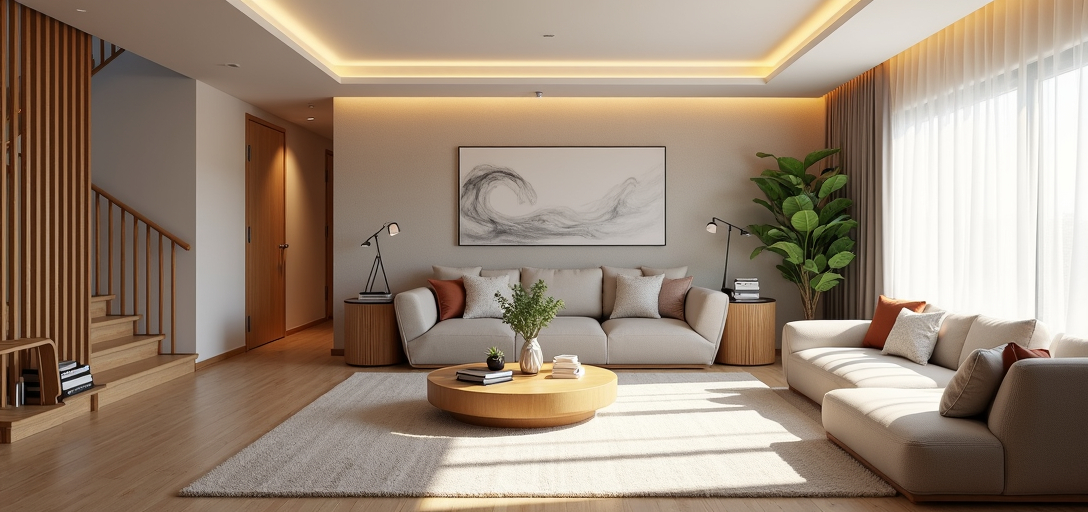
The Evolution of Assisted Living Rooms: 2030 Vision
As we look toward the future of assisted living, it's essential to consider how design, technology, and policy will shape these spaces by 2030. Understanding these changes can help prepare families and individuals considering assisted living options for their loved ones. Assisted living facilities have come a long way, focusing not only on safety and functionality but also on creating a more enriching and connected living experience.
Key Features of Assisted Living Rooms in 2030
Smart Home Integration
By 2030, assisted living rooms are expected to fully integrate smart home technology to enhance the quality of life, safety, and autonomy of residents. From voice-activated controls for lighting and temperature to AI-powered fall detection systems, smart technologies will play a pivotal role. For example, Amazon's Alexa has already made significant inroads in this area, and future iterations are expected to become even more intuitive and responsive to specific health needs [NY Times].
Aging-in-Place Designs
A significant trend is designing spaces that enable residents to 'age in place'. This involves features like adjustable countertops, easy-access storage, and walk-in showers with non-slip flooring. These designs are created to help seniors maintain independence with dignity while accommodating mobility challenges.
Health and Wellness-Centered Design
Biophilic Design Elements
Assisted living facilities in 2030 will likely embrace biophilic design, which connects residents with nature to promote well-being. This might include wide windows for natural light, indoor green spaces, and materials that mimic natural textures. Research from Harvard's T.H. Chan School of Public Health indicates that exposure to nature can significantly improve cognitive function and mental health [Harvard].
Personalized Health Monitoring
Future rooms will come equipped with advanced health-monitoring systems that track vital signs and anticipate changes in health conditions. These systems aim to provide immediate feedback to healthcare providers and can alert staff to potential issues, which is crucial in proactively managing health conditions.
Community and Connectivity
Social Spaces and Activities
Future designs will focus heavily on creating community areas that foster social interaction among residents. Multipurpose rooms and shared gardens will serve as hubs for recreational and hobby-based activities, reducing isolation and improving mental health. Facilities may also include integrated event calendars and virtual social gathering tools.
Technology-Enhanced Communication
By 2030, technology will further bridge the gap between residents and their families. Assisted living rooms will likely feature communication pods for video calls, virtual reality experiences to 'travel' the world safely, and other digital solutions to stay connected with loved ones. Proactive communication technology has been shown to decrease feelings of loneliness and increase overall life satisfaction as noted in a study published by UCLA [UCLA].
Future Challenges and Considerations
Cost and Accessibility
While the futuristic vision for assisted living rooms is promising, accessibility and affordability remain crucial concerns. Balancing technological advancements with cost-effectiveness will be key. By 2026, the median monthly cost for assisted living in the US was approximately $4,500. As technology becomes more embedded in these environments, ensuring it remains affordable for all income levels will be a critical challenge.
Ethical and Privacy Considerations
Privacy remains a critical issue with the introduction of more advanced monitoring technologies. Facilities will need to develop robust protocols to protect residents' data and ensure that technology serves as an aid without becoming intrusive. Maintaining this balance will require significant policy developments and consensus in the coming years.
Conclusion: A Future of Promise and Preparation
The outlook for assisted living rooms in 2030 is one of enhanced care, community, and comfort. With continued innovations and conscious efforts to address the associated challenges, these spaces will offer richer, more fulfilling environments for older adults. For those preparing today, exploring these emerging trends can guide decisions that align with long-term visions for well-being and independence.