Exploring the Impact of Clinical Trials on the Future of Dental Implants
Explore the evolving landscape of dental implant care through the lens of clinical trials. Discover how ongoing research is shaping new methodologies and techniques in dental health.
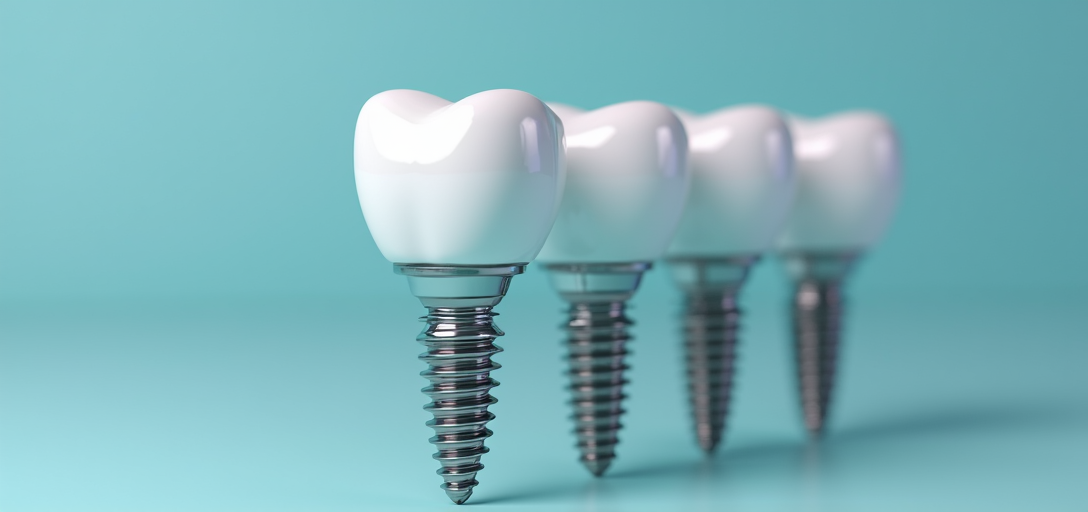
Understanding Clinical Trials and Their Impact on Dental Implant Care
For anyone curious about advancements in dental healthcare, the ongoing evolution in clinical trials for dental implants is an essential topic. The landscape of oral health is shifting, and clinical trials are the bedrock of these changes, shaping safer and more efficient treatments for patients. In the US, dental implant procedures are becoming increasingly popular as innovative materials and methods are developed through rigorous clinical trials.
What Are Clinical Trials and Why Are They Important?
Clinical trials are systematic investigations conducted to gather data on the efficacy and safety of new treatment methods or products. In the realm of dental implants, they play a crucial role in testing new implant materials, prosthetic designs, surgical techniques, and post-operative care strategies. These trials ensure that only the highest-standard treatments reach patients, providing a foundation of trust and reliability in dental care advancements.
- Safety and Efficacy: Clinical trials validate whether new dental implants are safe for use and efficient in function.
- Innovation: By enabling testing and modification based on trial results, they foster innovation in dental technologies and materials.
- Regulatory Approval: Successful trials provide the data necessary for regulatory agencies to approve new products.
Recent Advances in Dental Implant Clinical Trials
Recent years have seen significant advances with clinical trials providing new insights into better dental care options. According to a 2026 report by the American Dental Association (ADA), new trials focus not only on improving implant materials but also in increasing the success rates of surgeries and minimizing recovery times.
Use of Biomaterials in Implants
One of the forefront areas in recent trials is the use of biomaterials. Researchers are exploring materials that not only integrate more naturally with bone tissue but also promote faster healing. Advances in biomaterials are expected to reduce post-operative complications and improve the longevity of implants. This includes the use of materials like Zirconia, which has shown promising results in trials due to its biocompatibility and aesthetic appearance.
Improving Osseointegration Techniques
Another critical area of focus is osseointegration, the process by which a dental implant anchors to the jawbone. Clinical trials are testing new surface treatments for implants aimed at enhancing this process. A study published in 2026 in the Journal of Dental Research highlights the success of nanoparticle coating technologies that stimulate bone growth and encourage quicker integration.
Technological Innovations Driving Clinical Trials
With the rise of digital dentistry, clinical trials are increasingly incorporating cutting-edge technology to refine implant procedures:
- 3D Printing: The use of 3D printing in creating patient-specific implant models is gaining traction. This technology allows for precision and custom designs tailored to individual anatomical nuances.
- Digital Scans and Planning: Trials now use digital imaging to plan surgeries virtually, enhancing accuracy and reducing intraoperative risks.
- AI and Machine Learning: AI-driven analyses are playing a pivotal role in simulating outcomes and improving trial designs based on patient data.
The Impact of Clinical Trials on Patient Care
As trials continue to evolve, their impact on patient care is significant. Patients benefit from shorter recovery periods, reduced risks of infection and failure, and greater overall satisfaction with their dental implants. Dr. Sarah James, a leading periodontist, emphasizes that “The data we're seeing from recent trials is substantially improving patient outcomes and is set to revolutionize how we approach dental implant surgery.”
Challenges Facing Clinical Trials in Dental Care
Despite these advancements, conducting clinical trials is not without challenges. Cost, patient recruitment, and ethical considerations remain significant hurdles that researchers in the United States face. Agencies like the National Institute of Dental and Craniofacial Research are pivotal in funding and supporting these essential studies to overcome such obstacles.
The Future of Dental Implant Care Through Clinical Trials
Looking forward, the integration of digital tools and continuous material innovation will likely dominate future clinical trial landscapes. New initiatives focus on regenerative techniques that harness the patient's biology for even more natural integration and healing, promising a future where implants are more than just replacements — they become an extension of one's biology.
In conclusion, as clinical trials continue to transform dental implant care, patients in the US can look forward to a future where dental health is enhanced by science-driven, patient-centric treatments. For professionals and patients alike, staying informed about these developments is key as we navigate the evolving horizons of dental care.