Exploring the Jello Weight Loss Recipe: A Refreshing Approach to Dieting
Explore how a simple Jello weight loss recipe can complement your wellness journey! This fascinating approach utilizes lowcalorie gelatin treats, perfect for satisfying sweet cravings without the guilt.
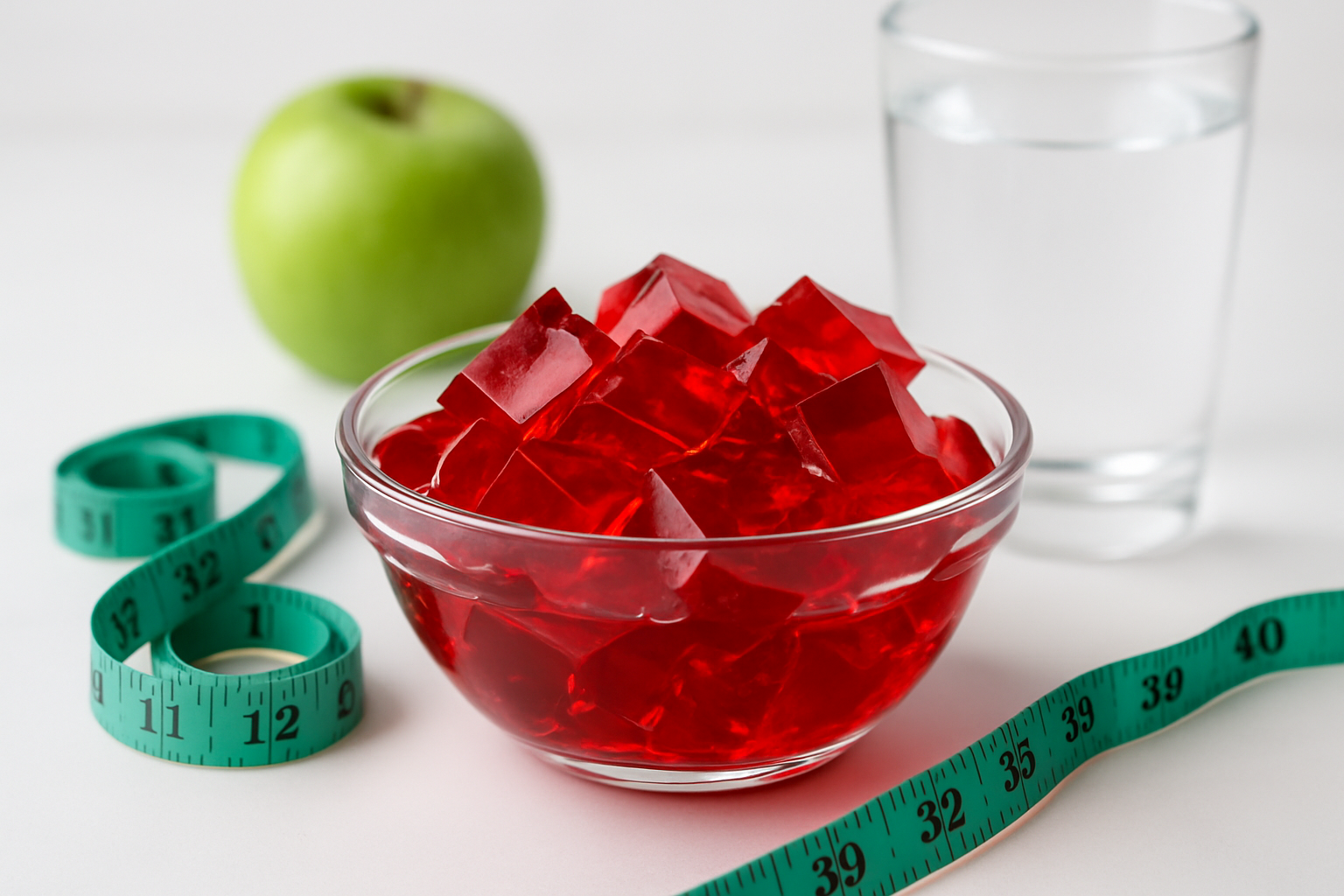
Understanding the Basics: What is a Jello Weight Loss Recipe?
The concept of a "Jello Weight Loss Recipe" has piqued curiosity among many fitness enthusiasts. At its core, this approach leverages the versatile dessert, jello, as a component of a weight loss regime. But how does this work, and is it supported by nutrition science?
Jello is primarily composed of gelatin, a substance derived from collagen, which is abundant in animal bones and connective tissues. Essentially, this ingredient becomes the base of a low-calorie, high-protein, and flavor-flexible diet option that some claims aid in weight loss.
- Minimal Calories: A standard serving of jello contains around 10-70 calories (depending on sugar content and additives), making it a low-calorie treat.
- Satiety: The chemical structure of gelatin can promote a sense of fullness, possibly aiding in reduced overall calorie intake.
- Protein Content: Though modest, jello derived from gelatin provides a small amount of protein, contributing to nutritional needs.
How Does the Jello Weight Loss Recipe Work?
The Science Behind Gelatin and Weight Loss
Gelatin, the key ingredient in jello, is rich in amino acids like glycine and proline. According to a study published in the Nutrition Journal in 2021, glycine supplementation has been associated with improved body composition and insulin sensitivity in adults. These findings suggest potential benefits for weight management, though the direct impact of gelatin from jello needs more exploration.
Additionally, gelatin may support gut health due to its role in promoting the secretion of gastric juices and improving the lining of the stomach. A healthy gut can contribute to more effective weight management, as indicated by contemporary research in the Frontiers in Immunology (2026).
Why Choose Jello for Weight Loss?
Choosing jello as part of a weight loss strategy could offer certain advantages, such as accessibility, ease of preparation, and cost-effectiveness. Furthermore, due to its flavor adaptability, individuals can experiment with various combinations, such as incorporating fruits or sugar substitutes, which make it both a versatile and enjoyable diet component.
Moreover, owing to its high water content, jello can help with hydration, which is vital not only for overall health but also for maintaining metabolic processes that support weight loss.
Cautions and Considerations
Potential Drawbacks of a Jello-based Diet
Despite its promising aspects, a diet centered around jello does come with cautions. Primarily, jello is often high in artificial additives, colors, and sweeteners, which might not align with everyone's dietary preferences or needs.
Another concern lies in nutritional balance. Relying heavily on jello, which lacks essential vitamins and minerals, could lead to deficiencies if not adequately supplemented with other nutrient-rich foods. A report on restrictive diets (2026) discusses the importance of maintaining a balanced diet for sustained health.
Consulting with Health Professionals
Before making any significant changes to your diet, it's crucial to consult with healthcare providers or nutrition experts. They can offer personalized advice and ensure that a jello weight loss approach is safe and suitable for your individual health conditions and goals.
Conclusion: Is the Jello Weight Loss Recipe Right for You?
The jello weight loss recipe can serve as an accessible and enjoyable component of a wider weight management plan but should not be the sole focus. Incorporating it into a balanced, nutritious diet along with regular physical activity is key to achieving sustainable weight loss.
As with any diet, moderation and diversity in food selection are crucial to avoid nutrient deficiencies and maintain overall health. Whether through further research or personal experimentation under professional guidance, finding a personalized and effective diet plan remains essential.