Exploring the Latest Dental Implant Options for 2026: What You Need to Know
Discover the latest advancements and exciting developments in dental implant options available in 2026. From innovative materials to stateoftheart procedures, explore how dental implants have evolved to offer more choices for patients seeking alternatives to traditional solutions.
Understanding Dental Implants: A Comprehensive Guide for 2026
In the ever-evolving field of dentistry, technological advancements have significantly improved dental implant procedures and options. As of 2026, patients have a variety of choices when considering dental implants, each tailored to meet specific needs and conditions. This guide aims to educate and provide clarity on the different types of dental implants available, the procedural advancements, costs, and factors to consider when choosing the best option for you.
What Are Dental Implants?
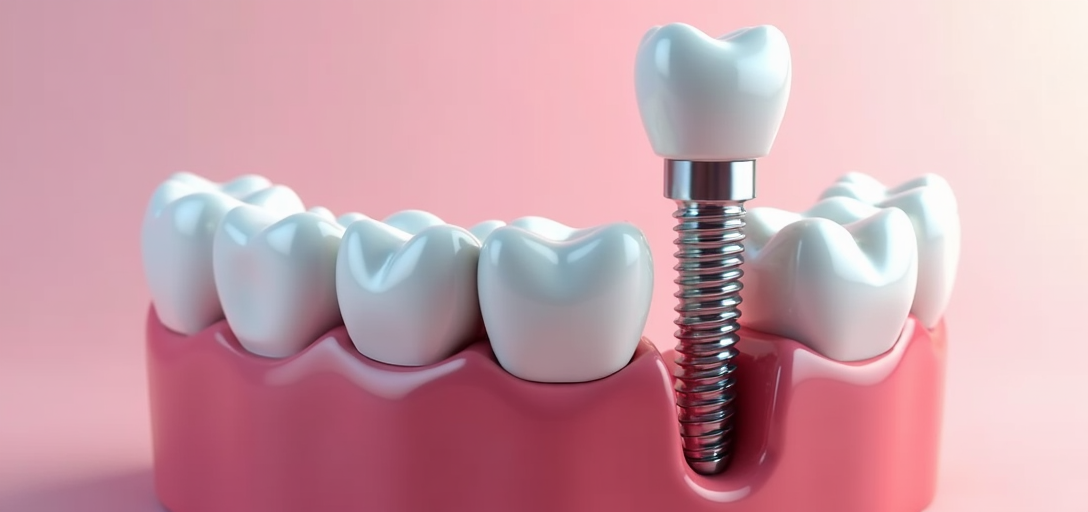
Dental implants are artificial tooth roots similar in shape to screws. They are used to support dental prosthetics such as crowns, bridges, or dentures. Implants offer a strong, permanent foundation for fixed or removable replacement teeth. The implants themselves are made of biocompatible materials like titanium, which integrate with the jawbone to ensure long-lasting support.
Types of Dental Implants Available in 2026
1. Endosteal Implants
Endosteal implants remain the most common type of dental implant. These implants are typically made of titanium and are surgically placed into the jawbone. They serve as an anchor for one or more prosthetic teeth. Ideal candidates for endosteal implants may need to undergo a bone graft if there is insufficient natural bone to support the implant.
2. Subperiosteal Implants
For patients who lack sufficient bone height for endosteal implants, subperiosteal implants present a viable alternative. These implants sit on top of the jawbone but beneath the gum. Modern materials and techniques have greatly improved the stability and success rate of subperiosteal implants, making them a popular choice for certain patients. They are often suited for individuals who cannot or prefer not to undergo bone augmentation procedures.
3. Zygomatic Implants
Zygomatic implants are a relatively new innovation in the field. Unlike traditional implants that anchor into the jawbone, zygomatic implants are anchored into the cheekbone (zygoma). This option is particularly useful for patients with severe bone loss in the upper jaw since the cheekbone is denser and can provide adequate support. As of 2026, zygomatic implants have seen a rise in usage due to advancements in surgical techniques that enhance their success rates.
4. Mini Dental Implants (MDIs)
MDIs offer a less invasive option compared to traditional implants. They are used primarily for stabilizing lower dentures and are smaller in diameter than standard implants. This characteristic makes MDIs a great choice for patients with less jawbone density or those who prefer a quicker procedure. The convenience and lower cost of MDIs can make them appealing, although they may not be suitable for supporting bridges or extensive restorations.
Cost Considerations and Insurance Coverage
The cost of dental implants in 2026 can vary widely depending on the type of implant, the complexity of the procedure, and geographical location. On average, a single dental implant can cost between $3,000 to $6,000, including the crown and abutment. While dental insurance typically does not cover implants, some plans may offer partial reimbursements for the restoration part of the process.
- Endosteal implants tend to be the most affordable option due to their commonality and simpler procedure.
- Zygomatic and subperiosteal implants can be more expensive due to additional surgical requirements and complexity.
- MDIs, being minimally invasive, often cost less than traditional options and can be completed in fewer visits.
It's advisable for patients to consult with their insurance providers and dentists to understand potential out-of-pocket costs and financing options, as some practices offer payment plans.
Advances in Dental Implant Technology
2026 has seen remarkable progress in dental implant technology, primarily driven by digital techniques and materials science.
Digital Dentistry and 3D Printing
Digital imaging and 3D printing have become cornerstones of implant dentistry. Dentists can now create precise models of a patient's mouth, allowing for highly customized implants that fit perfectly. This technological advancement reduces surgery time and improves overall outcomes.
Biocompatible Materials
Advances in materials have led to the development of implants that bond more effectively with bone tissue. Zirconia, for example, offers a metal-free alternative with high strength and aesthetic appeal for those with metal sensitivities or preferences for non-metal options.
Factors to Consider When Choosing Dental Implants
Several critical factors should be evaluated when choosing the appropriate dental implant solution:
- Bone Density: The amount and density of available bone can determine the type of implant feasible for the patient.
- General Health: Patients should consider their overall health status, as certain conditions like uncontrolled diabetes can affect implant success.
- Long-term Goals: Whether the focus is on single-tooth replacement or full-mouth restoration can influence the choice of implants.
- Personal Preferences: Aesthetics, materials, and procedural comfort are personal considerations that can guide decision-making.
Conclusion
For individuals seeking dental implants in 2026, the options are diverse and adaptable to a wide range of needs and preferences. As you consider dental implants, engage with your dental professionals to discuss the most suitable options tailored to your personal situation. Emerging technologies and materials ensure higher success rates and patient satisfaction, making dental implants a popular and viable solution for restoring smiles confidently.