Exploring the Latest Dental Implant Options for 2026
Curious about dental implant options available in 2026? Discover the latest advancements and choices for replacing missing teeth. With technology continuing to evolve, dental implant procedures have become more diverse, offering new possibilities tailored to individual needs.
Understanding Dental Implant Options Available in 2026
As we advance into 2026, dental technology continues to evolve rapidly, offering numerous options for those considering dental implants. Whether you are missing a single tooth, several teeth, or require a full mouth reconstruction, understanding your options is crucial for making an informed decision that best suits your needs and lifestyle.
What Are Dental Implants?
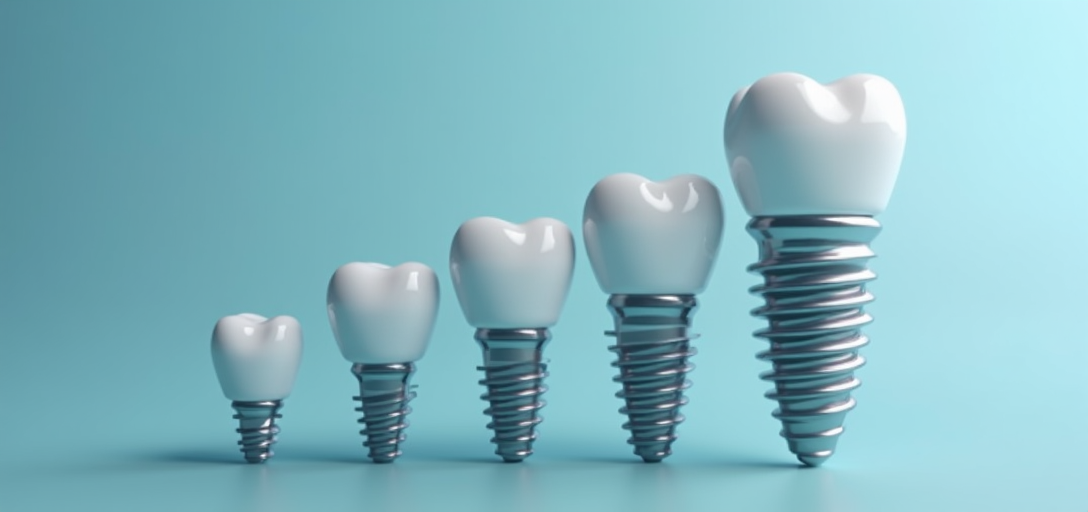
Dental implants are medical devices surgically implanted into the jawbone. They serve as a robust foundation for fixed or removable replacement teeth that are made to match your natural teeth. Implants are generally made of titanium or zirconium, known for their durability and compatibility with human bone.
Types of Dental Implants Available in 2026
The variety of dental implant solutions available today caters to different dental conditions and patient needs. Let's explore the main types available:
- Endosteal Implants: The most common implants, these are typically shaped like small screws and placed directly into the jawbone. They are designed to hold one or more prosthetic teeth and are ideal for patients with adequate jawbone density.
- Subperiosteal Implants: These implants rest on top of the jawbone under the gum tissue, ideal for patients with inadequate jawbone structure who are not candidates for bone augmentation procedures.
- Zygomatic Implants: Utilized in situations where jawbone loss is significant, these implants anchor into the zygomatic bone (cheekbone), offering a solution for patients unwilling or unable to undergo bone grafts.
- All-on-4®: A complete set of teeth is supported by just four implants. This technique maximizes use of available bone and can often eliminate the need for bone grafting.
Innovations in Dental Implant Technology
Advancements in technology have greatly influenced dental implant procedures, making them more accessible and efficient in 2026. Some of these innovations include:
- 3D Imaging and Planning: Digital imaging tools provide a comprehensive view of a patient’s oral structure, allowing for precise planning and placement of implants. This minimizes surgical risk and enhances outcomes.
- Robotics Assistance: Robot-assisted surgeries are gaining popularity for dental implants, ensuring precise movements and improving success rates.
- Custom-Made Implants: Tailored solutions using 3D printing and CAD/CAM technology are now more widely available, allowing for personalized implants that increase comfort and integration success.
These procedural improvements not only increase the success rates of implants but also reduce recovery times, enabling patients to return to normal activities sooner.
Who Is a Candidate for Dental Implants?
While dental implants are a versatile solution, not everyone is an immediate candidate. Ideal candidates include:
- Individuals with healthy gums free from periodontal disease.
- Patients having a sufficient amount of bone, or those eligible for bone grafting.
- Non-smokers, as smoking can impede the healing process and compromise implant success.
- Patients committed to maintaining good oral hygiene and regular dental visits.
Cost of Dental Implants in 2026
The cost of dental implants can vary significantly based on several factors, including the complexity of the procedure, the type of implants used, and the geographic location. In the US, as of 2026, the average cost ranges from $3,000 to $5,000 per implant (Cleveland Clinic, 2026). This typically includes the post, abutment, and crown but not additional procedures like bone grafts or sinus lifts.
Insurance coverage may cover part of this cost, especially if the implant is deemed medically necessary. It's advisable to check your specific plan's coverage.
What Is the Procedure for Getting Dental Implants?
The process of receiving dental implants typically involves several steps:
- Initial consultation and evaluation with a dental surgeon.
- Preparation of the jawbone, which may include bone grafting if required.
- Surgical placement of the implant into the jawbone.
- A healing period of several months to allow the implant to integrate with the bone.
- Placement of the abutment and custom-made crown.
With advancements in implant technology, some procedures are now available with same-day implants where suitable, significantly shortening the timeline.
Risks and Considerations
As with any medical procedure, there are risks involved. Some potential complications can include infection at the implant site, injury or damage to surrounding structures, and nerve damage leading to temporary or permanent numbness. However, with advancements in technology and skilled dental professionals, the success rate remains around 95% (American Association of Oral and Maxillofacial Surgeons, 2026). Discussing potential risks with your dentist or oral surgeon can help mitigate these concerns.
Conclusion: Making an Informed Decision
Choosing dental implants is a significant decision that can greatly improve quality of life through enhanced oral function and aesthetics. As we progress through 2026, the options and technology continue to improve, making implants an accessible and compelling choice for many patients.
Ensuring that you have open, honest discussions with your dental provider, possibly seeking a second opinion, and thoroughly researching your options will empower you to make an informed decision that suits your lifestyle and health needs.