Exploring the Leading Brain Injury Rehabilitation Centres Across the UK
Discover the top brain injury rehabilitation centres in the UK known for their compassionate care and advanced therapies. These centres focus on tailored support for individuals recovering from brain injuries, ensuring a supportive environment for their journey.
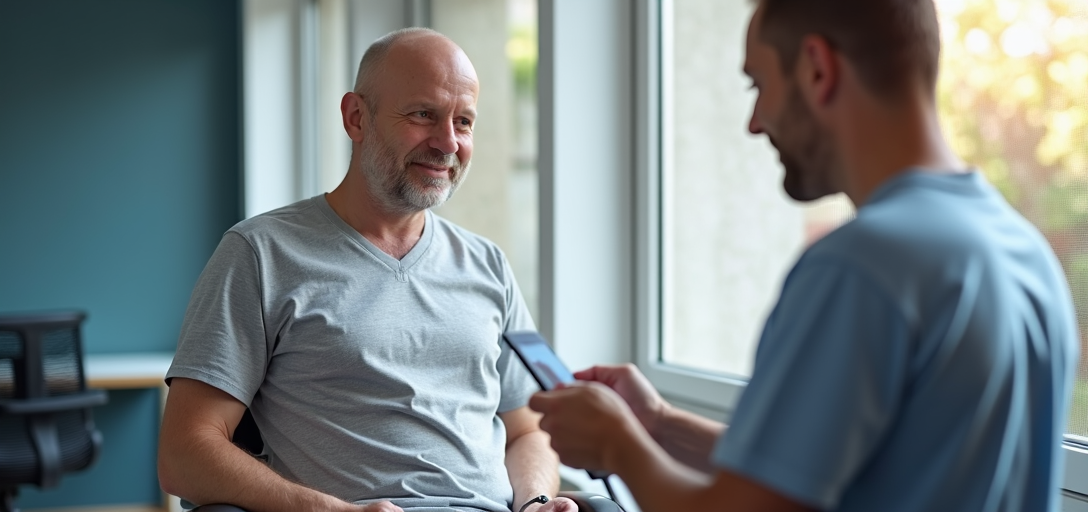
Understanding Brain Injury Rehabilitation
When dealing with brain injuries, rehabilitation is a critical step towards recovery and resuming a normal life. These injuries, which can be traumatic or acquired, often result from incidents such as falls, road accidents, or medical conditions like strokes and tumors. Effective rehabilitation facilitates regaining lost skills and reintegrating into society. In the UK, several cutting-edge centres provide specialised care tailored to individual needs.
What is Brain Injury Rehabilitation?
Brain injury rehabilitation is a structured program aimed at assisting individuals in restoring function and optimising independence after a brain injury. The rehabilitation process is multidisciplinary, involving physiatrists, occupational therapists, speech pathologists, psychologists, and social workers. This comprehensive approach is necessary as brain injuries often affect various aspects of human function, including physical, cognitive, emotional, and social domains.
Key Features of Top Rehabilitation Centres
Choosing the right rehabilitation centre is crucial for effective recovery. Here are essential features to look for in a rehabilitation centre:
- Multidisciplinary Team: A robust rehabilitation team encompassing a range of specialists ensures comprehensive care.
- State-of-the-Art Facilities: The latest technology and equipment can significantly enhance recovery processes.
- Individualised Treatment Plans: Personalised plans tailored to the specific type and severity of brain injury are vital for effective rehabilitation.
- Aftercare and Support Services: Post-rehabilitation support is crucial for maintaining progress and adapting to daily life.
Top Brain Injury Rehabilitation Centres in the UK
The UK is home to some of the world's leading rehabilitation centres, known for their advanced treatment modalities and high standards of care.
The Wellington Hospital, London
The Wellington Hospital is renowned for its specialised neurological services. It boasts a dedicated Brain Injury Unit with comprehensive facilities for inpatient and outpatient care. According to recent reports, the Wellington Hospital's rehabilitation centre has successfully helped over 500 patients annually with high recovery rates (source).
Royal Berkshire Hospital, Reading
This hospital offers a holistic approach to brain injury rehabilitation, integrating lifestyle and dietary management with conventional therapies. The Royal Berkshire Hospital was recently rated highly for its patient-centric approach and exceptional therapy programs based on 2026 data (source).
The Priory, Birmingham
The Priory Group's Brain Injury Rehabilitation Centre provides holistic care focused on the patient’s overall well-being, including emotional and mental health. Their approach has helped several patients achieve significant functional improvements in daily life activities (source).
Key Questions About Brain Injury Rehabilitation
How Long Does Rehabilitation Take?
Rehabilitation duration can vary significantly based on factors like injury severity and progression. Some patients benefit from a few weeks of intensive therapy, while others may require months or years of ongoing support. Continuous evaluation by health professionals ensures the plan is adapted as recovery progresses.
What Are the Outcomes of Rehabilitation?
While outcomes can vary, many patients experience improvements in cognitive function, physical capabilities, and emotional well-being. Successful rehabilitation can also lead to increased independence and better quality of life.
Recent Research and Advances
In 2026, advancements in rehabilitation techniques have made significant impacts in treatment outcomes. For example, the use of virtual reality technology has been shown to enhance cognitive rehabilitation, allowing patients to engage in realistic scenarios and practice skills in a safe environment.
Moreover, research into neuroplasticity is paving the way for innovative therapies that encourage the brain to rewire itself, potentially leading to better recovery outcomes. Studies have shown that incorporating neuroplasticity-based strategies can dramatically improve functional recovery rates.
Conclusion: Choosing the Right Centre
Ultimately, selecting the right brain injury rehabilitation centre involves carefully considering personal needs, the nature of the brain injury, and the available resources and expertise. With the UK's robust options for rehabilitation, patients and their families can find suitable programs that offer the best chance for recovery. Staying informed and engaged with the treatment team is key to navigating this challenging journey successfully.