Exploring the New Trend: Lawn-Free Gardens and Their Growing Popularity
Discover why lawnfree gardens are gaining popularity among homeowners seeking sustainable and lowmaintenance landscapes. More people are choosing these innovative gardens to reduce water usage and enjoy diverse plant spaces.
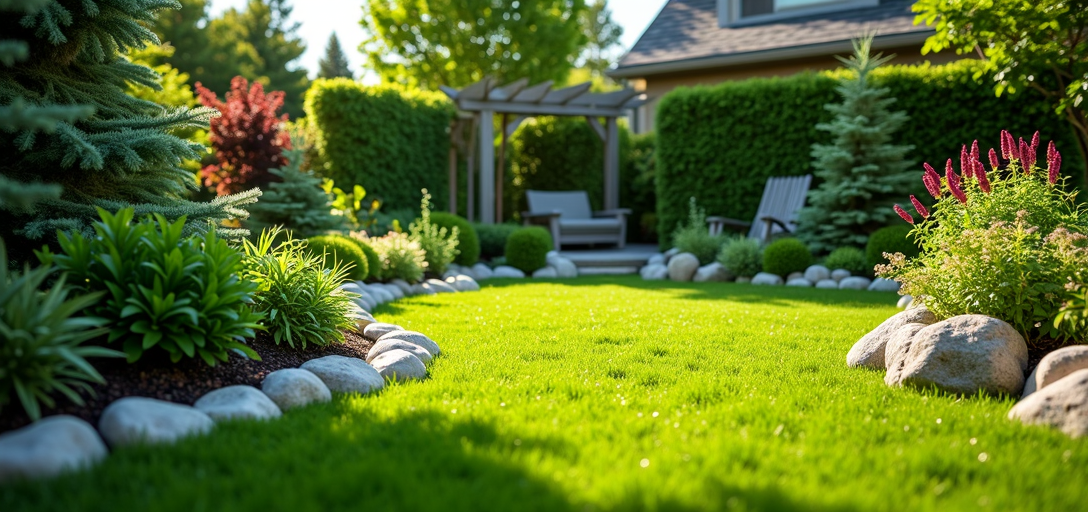
The Rise of Lawn-Free Gardens in the United States
Over the past few years, there's been a noticeable shift in the landscaping preferences of American homeowners. Increasingly, people are opting out of traditional lawns in favor of more diverse and eco-friendly garden alternatives. This trend is driven by various factors, including environmental concerns, lifestyle changes, and the rising costs of lawn maintenance. In this article, we'll explore why more individuals are making the transition to lawn-free gardens and how this choice can benefit both individuals and the environment.
Why are Traditional Lawns Losing Popularity?
Traditional lawns have long been a staple of American homes, representing a symbol of status and community conformity. However, several factors contribute to their declining appeal:
- Water Usage: Lawns require significant amounts of water to maintain their lush, green appearance. With increasing droughts and water scarcity in many parts of the US, particularly in states like California and Texas, conserving water has become imperative.
- Environmental Impact: The use of chemical fertilizers and pesticides necessary to keep lawns pristine has raised environmental concerns. These chemicals can leach into waterways, harming ecosystems and wildlife.
- Maintenance Costs: Maintaining a lawn can be both time-consuming and costly. Mowing, fertilizing, and watering involve regular expenses, which can add up, especially if homeowners hire professionals for these tasks.
- Shifts in Lifestyle and Aesthetic Preferences: Many people now prefer outdoor spaces that are not only beautiful but also functional and sustainable, leading them to explore alternative landscaping options.
Benefits of Lawn-Free Gardens
The benefits of transitioning to a lawn-free garden are multifaceted, offering ecological, economic, and aesthetic advantages:
- Environmental Sustainability: Lawn-free gardens often incorporate native plants that require less water and no chemical fertilizers, reducing their environmental footprint. According to a 2026 study published in the Journal of Ecology, converting to native plant gardens can reduce water usage by up to 50%.
- Biodiversity and Wildlife Habitat: These gardens support local wildlife by providing habitat for birds, bees, butterflies, and other organisms. A diverse plant selection encourages a healthier ecosystem.
- Reduced Maintenance: While initial setup may require effort, maintaining a lawn-free garden is generally less labor-intensive and less costly over time, eliminating the need for weekly mowing or constant watering.
- Unique Design Opportunities: Lawn-free gardens allow homeowners to express creativity through varied plant selections, textures, and garden art, resulting in unique and personalized outdoor spaces.
Popular Alternatives to Traditional Lawns
For those considering a transition, there are several popular alternatives to grass lawns:
- Native Plant Gardens: Utilizing plants native to a region can vastly reduce water consumption and support local ecosystems. Consider incorporating species such as California poppies or Texas bluebonnets.
- Rock and Gravel Landscapes: These options provide a low-maintenance solution while offering excellent drainage and complementing drought-tolerant plants perfectly.
- Food Gardens: Growing fruits, vegetables, and herbs can transform a yard into a productive space, promoting food security and sustainability.
- Wildflower Meadows: These can replace large lawn areas with vibrant, colorful flowers that change with the seasons and attract pollinators.
Practical Steps for Transitioning to a Lawn-Free Garden
Making the switch to a lawn-free garden requires planning and consideration, but it's a rewarding endeavor. Here are some steps to consider:
- Assess Your Space: Take note of sunlight, shade, and soil conditions. Understanding your landscape's characteristics will guide your plant choices and design.
- Research and Plan: Investigate which native plants or alternatives thrive in your region. Resources such as the US Department of Agriculture can provide valuable insights.
- Start Small: Begin by converting a small section of your lawn. This approach allows you to manage the project more easily and observe how the garden evolves.
- Prepare the Soil: Proper soil preparation is crucial. Remove the existing turf, amend the soil with organic matter, and ensure good drainage to support new plantings.
- Implement and Monitor: Once planted, monitor the garden for growth, pests, and other issues. Regular observation will help you make adjustments as needed.
Conclusion: The Future of Gardening
The trend towards lawn-free gardens reflects broader shifts in how homeowners value their outdoor spaces, emphasizing sustainability, efficiency, and biodiversity. With climate change and resource conservation becoming an increasing focus in 2026, these gardens not only offer practical benefits but also contribute positively to the planet.
By embracing these changes, individuals can enjoy beautiful, resilient gardens that enhance their living environment while making a positive impact on the world. Whether you are motivated by an environmental ethos or simply desire a more interesting and engaging outdoor space, transitioning to a lawn-free garden could be the perfect decision.