Exploring the Real Worth of a Silver Dollar: Facts You Should Know
Explore the fascinating world of silver dollar coins and discover what factors influence a silver dollar's value. From historical significance to minting year, these coins hold mysteries that go beyond face value.
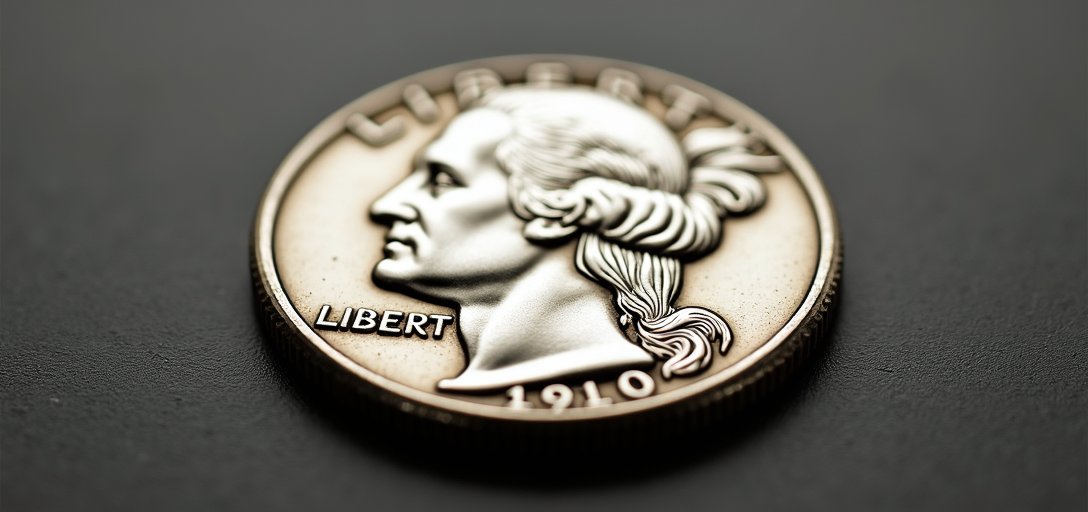
The Basics of a Silver Dollar's Value
Silver dollars have intrigued collectors and investors alike for decades. Their value is determined by a variety of factors, including historical significance, rarity, demand, and silver content. Navigating the complexities of silver dollar valuation can be challenging, but understanding the basics can provide a solid foundation.
Historical and Numismatic Value
Historically, silver dollars have been a mainstay in the US currency system. Coins like the Morgan and Peace silver dollars have unique stories that contribute to their value. The historical context and numismatic appeal can significantly impact the price a collector is willing to pay. For instance, a rare 1893-S Morgan Silver Dollar in mint condition can fetch prices upwards of $550,000 due to its limited mintage and demand among collectors.
Market Demand and Trends
Like all collectibles, the value of silver dollars is influenced by market demand. Currently, 2026 trends show an increasing interest among younger collectors who value both historical context and the intrinsic allure of silver coins. According to the Professional Coin Grading Service, the market has seen a steady 5% annual growth in interest over the past five years, aligning with the broader popularity of tangible assets.
The Role of Silver Content
Silver dollars contain a significant amount of silver, often serving as a hedge against inflation. At present, the market price of silver sits around $25-$30 per ounce. Since silver constitutes a large percentage of the metal content, fluctuations in silver prices directly impact the coin's value. Investors monitor silver spot prices closely to assess potential gains from their holdings.
Assessing the Condition of Silver Dollars
The condition of a coin, or its "grade," is one of the most critical elements in determining value. Coins are graded on a scale from 1 to 70, with 70 being perfect condition. Understanding how grading works can help in evaluating a silver dollar's worth accurately.
Grading Systems and Standards
Professional grading services like NGC and PCGS use standardized criteria to assess coin condition. Factors such as luster, strike, and overall preservation play pivotal roles. A common Morgan silver dollar graded as MS65 can command a price 10 times higher than the same coin in a VG-8 (Very Good) condition. More information on grading can be found on the Numismatic Guaranty Corporation website.
Common Wear and Tear Issues
Handling and environmental exposure can lead to wear. Scratches, discoloration, and wear make silver dollars less desirable among collectors. Collectors and investors should aim to handle coins minimally and store them in protective holders to maintain their value over time.
How to Buy and Sell Silver Dollars
Buying and selling silver dollars requires knowledge of reliable sources and understanding market indicators that guide transactions. Whether you plan to hold them as investments or part of a collection, knowing where to look is essential.
Finding Reliable Dealers
Engage with reputable dealers who are part of well-regarded associations such as the American Numismatic Association. Reputable dealers often provide transparent pricing and necessary documentation. Websites like Coin World offer insights and reviews on trusted vendors.
Online and Auction Platforms
Platforms like eBay or Heritage Auctions offer vast marketplaces for buying or selling silver dollars. These platforms provide ways to view past pricing trends and current bidding activities. However, it's imperative to verify authenticity and verify seller credibility before finalizing any acquisition.
Marketplace Safety Tips
- Verify the coin's authenticity by requesting certificates from well-known grading companies.
- Review seller feedback and ratings when buying online.
- Stay informed on the latest market trends to make timely decisions.
Trends and Insights for 2026
The numismatic world constantly evolves, and staying abreast of trends ensures collectors and investors make informed decisions. The overarching trajectory heading into 2026 involves a blend of historical interest and modern financial strategy.
Rise of Digital Trading Platforms
Technology has significantly impacted how silver dollars are traded. Online marketplaces and blockchain-based trading platforms have introduced greater transparency and security. These platforms allow instantaneous transactions and clearer historical data, providing peace of mind for buyers and sellers alike.
Increased Interest from Younger Generations
Younger demographics are showing growing interest in tangible assets like silver dollars as safe investments. According to recent surveys, millennials see silver coins as a viable alternative to traditional savings, boosted by the coin's tangible nature and lasting value.
Silver Price Predictions
Financial experts suggest that silver may reach up to $35 per ounce by the end of 2026, driven by industrial demand and economic instability. This projected increase marks a potential rise in the value of silver coins, encouraging both collectors and investors to keep a vigilant eye on the market.
Conclusion: Understanding a Silver Dollar's Value
Determining the value of a silver dollar involves a confluence of historical appreciation, market demand, silver content, and current trends. By understanding these factors, collectors and investors can make informed decisions and potentially lucrative investments in the realm of numismatics.