Exploring the Solar Panel Rebates You Can Benefit From in 2026
Discover potential solar panel rebates available in 2026 that could reduce your installation costs. Whether you're new to solar or considering an upgrade, understanding available rebates in 2026 might help you plan your budget.
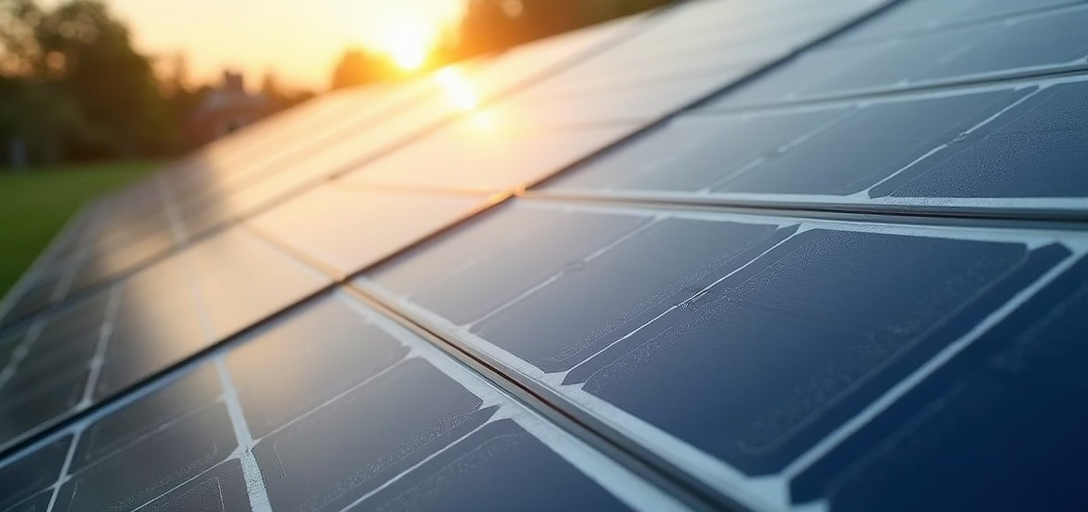
Understanding Solar Panel Rebates in Australia for 2026
With the rising concern over environmental sustainability and energy costs, more Australians are turning to solar power. Solar panel rebates in 2026 are a significant incentive for residents considering making the switch to renewable energy. This article delves into the various solar rebates available, eligibility requirements, and how these incentives can make solar power a more accessible option for Australian households.
What Are Solar Panel Rebates?
Solar panel rebates are financial incentives offered by the government to reduce the initial cost of installing solar panels. In Australia, these rebates help promote the use of renewable energy, decrease greenhouse gas emissions, and assist households in saving money on electricity bills.
Federal Government Incentives
Small-scale Renewable Energy Scheme (SRES)
The SRES offers financial incentives for the installation of solar panel systems and is a part of Australia's Renewable Energy Target. When you install a solar system, you earn Small-scale Technology Certificates (STCs), which can be traded for a rebate or discount on installation. The number of STCs you earn depends on your location, system size, and the year of installation, with the rebate value decreasing slightly each year.
For example, a typical 6.6 kW solar system installed in 2026 could still provide a rebate of around AUD 3,500 to AUD 4,000, varying by location and market conditions. Learn more about SRES on the Clean Energy Regulator's website.
State-Based Incentives
New South Wales
In 2026, New South Wales continues to support solar adoption through its Empowering Homes Program, offering no-interest loans for the purchase and installation of solar battery systems. Additionally, the Solar for Low Income Households Trial provides rebates to eligible low-income households.
Victoria
Victoria's Solar Homes Program remains one of the most comprehensive, providing up to AUD 1,400 rebate for solar panel installations, plus interest-free loans. Eligible households can also receive a rebate for installing solar hot water systems, which can help further decrease energy costs. More details on Victoria's solar rebates can be found here.
Queensland
Queensland's Affordable Energy Plan offers a range of incentives, including interest-free loans for solar and battery storage systems. Residents may also benefit from regional-specific grants and incentives aimed at boosting solar panel uptake in rural areas.
Eligibility Criteria
While specific eligibility requirements can vary by state, most solar rebate programs require participants to meet certain criteria:
- The property must be primarily residential.
- The solar system must be purchased from a Clean Energy Council accredited installer.
- For some state-specific programs, income or property value limits may apply.
- Applicants typically need to comply with installation standards and guidelines.
Check your state's government website for detailed eligibility and application procedures.
Benefits of Solar Panel Rebates
Installing solar panels with the help of rebates offers numerous advantages:
- Cost Savings: Rebates significantly reduce upfront costs, making solar power more affordable.
- Return on Investment: Reduced energy bills and feed-in tariffs for surplus energy can result in a favorable return on investment over time.
- Environmental Impact: By adopting solar energy, households can reduce their carbon footprint and contribute to a sustainable future.
In 2026, these benefits make solar panels an attractive proposition for environmentally conscious Australians.
Steps to Apply for Solar Rebates
The process of applying for solar rebates typically involves:
- Researching state and federal incentives available in your area.
- Contacting accredited solar installation companies for quotes and consultancy.
- Submitting a rebate application through the state program or federal scheme portal.
- Completing installation with an accredited installer and submitting necessary paperwork.
Although it might seem complex, many solar companies provide assistance throughout the application and installation process, ensuring you maximize the available incentives.
Conclusion
In 2026, Australia's commitment to renewable energy continues to grow. Through a combination of federal and state-based solar rebates, Australian households have easier access to solar technology, which helps decrease electricity costs and reduce environmental impact. If you're considering switching to solar power, now is a great time to take advantage of the available incentives and join the renewable energy movement.