Exploring the Top 5 Most Effective Treatments for Stroke Recovery
Discovering effective treatments for stroke can make a significant difference in recovery outcomes. In this article, we explore the top 5 best treatments for stroke available today.
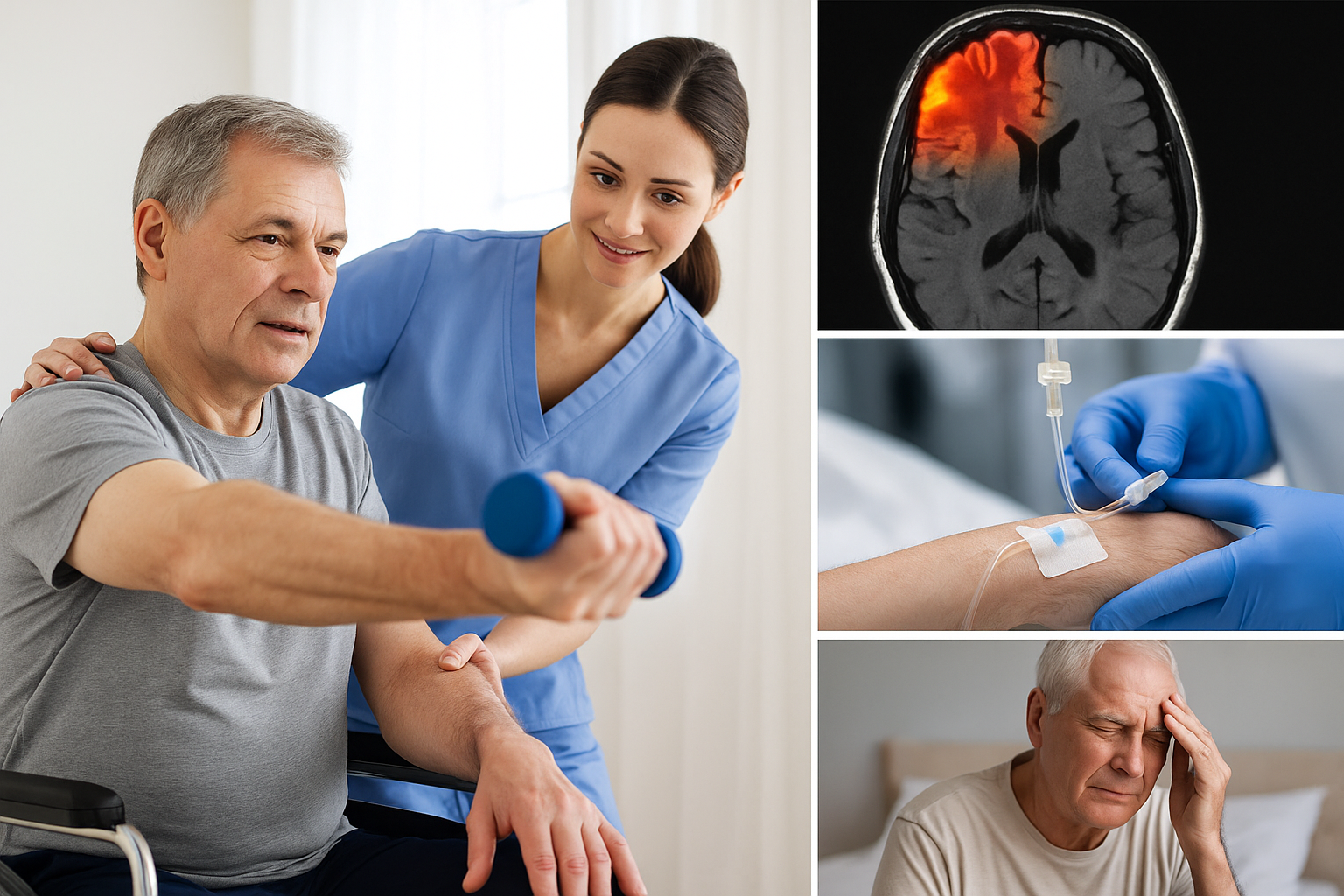
Understanding Stroke: An Overview
A stroke, often called a "brain attack," occurs when blood flow to a part of the brain is interrupted or when a blood vessel in the brain bursts. This interruption leads to a lack of oxygen, causing brain cells to die. According to the World Health Organization (WHO), stroke is the second leading cause of death globally and a significant cause of disability. Understanding the treatment options available is crucial for improving recovery outcomes.
There are two main types of stroke: ischemic and hemorrhagic. Ischemic strokes, which account for about 87% of cases, are caused by blockages or narrowing of the arteries supplying blood to the brain. Hemorrhagic strokes occur when a blood vessel in the brain leaks or ruptures. Each type requires a distinct treatment approach to maximize recovery potential.
Top 5 Best Treatments for Stroke
Treating a stroke effectively involves prompt diagnosis and appropriate medical intervention. Here, we delve into the top five best treatments recognized in 2026 for stroke recovery and management.
1. Thrombolysis
Thrombolysis is a treatment method primarily used for ischemic strokes. This treatment involves administering clot-busting drugs, such as tissue plasminogen activator (tPA), to dissolve blood clots obstructing blood flow to the brain. When administered within 3 to 4.5 hours of the onset of stroke symptoms, tPA is highly effective in reducing the severity of stroke outcomes.
Recent studies, including one published in 'The Lancet Neurology' (2026), highlight the ongoing advancements in thrombolysis, focusing on extending the treatment window and improving drug formulations for greater efficacy.
2. Mechanical Thrombectomy
Mechanical thrombectomy is a minimally invasive procedure used to treat more severe cases of ischemic stroke. It involves the physical removal of a large blood clot from the brain's arteries using a catheter. This treatment is typically performed within six hours of symptom onset, though recent guidelines suggest it can be effective up to 24 hours later, depending on individual circumstances.
This procedure has shown remarkable success in reducing long-term disabilities associated with stroke, as reported in the 2026 issue of the 'Journal of NeuroInterventional Surgery'.
3. Antiplatelet and Anticoagulant Therapy
For both immediate and long-term stroke management, medications like antiplatelets (e.g., aspirin) and anticoagulants (e.g., warfarin or newer agents like dabigatran) are critical. These medications help in preventing further clot formation and are essential in reducing the risk of recurrent strokes.
- Antiplatelets: These drugs prevent platelets from clumping together to form clots. Aspirin is the most commonly used antiplatelet following an ischemic stroke.
- Anticoagulants: These medications thin the blood to prevent clots from forming or growing larger. They are particularly useful for patients with conditions like atrial fibrillation.
Data from the 'American Heart Association' emphasizes the significance of these therapies in improving stroke outcomes by preventing further events.
4. Rehabilitation Therapies
Stroke rehabilitation is a vital component of recovery, helping patients regain skills and improve their quality of life. This can include physical therapy, occupational therapy, and speech-language therapy, each targeting different facets of impairment caused by stroke.
- Physical Therapy: Focuses on regaining motor control and strength through exercises and mobility aids.
- Occupational Therapy: Helps patients redevelop daily living skills, such as bathing, dressing, and eating.
- Speech-Language Therapy: Aids in recovering communication skills and managing swallowing difficulties.
Research in 'Rehabilitation Nursing' (2026) underscores tailored rehabilitation programs' significance, emphasizing the need for personalized interventions based on individual patient assessments.
5. Lifestyle Modifications and Support
While medical and rehabilitation therapies are vital, lifestyle changes play a crucial role in stroke recovery and prevention. Adopting a heart-healthy diet, engaging in regular physical activity, managing weight, and controlling risk factors like hypertension and diabetes are essential.
Support groups and counseling services also provide emotional and psychological support, which is crucial for maintaining a positive outlook and mental health post-stroke. The 'Stroke Foundation Support Network' offers resources and community support, emphasizing collaborative care and patient empowerment.
Current Advancements and Research in Stroke Treatment
The field of stroke treatment is rapidly evolving, with ongoing research exploring new therapies and technologies. In 2026, innovations like neuroprotective drugs, which aim to save brain tissue, and advancements in telemedicine, allowing remote access to expert care, are gaining attention.
Additionally, genome editing technologies like CRISPR are being explored to address genetic factors contributing to stroke risk, providing hope for more personalized and preventive treatments. Collaborative global initiatives continue to push boundaries, aiming to reduce stroke's impact worldwide.
For further reading resources, visit the 'World Health Organization' for global stroke statistics and the 'American Stroke Association' for comprehensive guides on stroke prevention and recovery.