Exploring the Top 5 Treatment Options for Stomach Cancer
Exploring the top 5 treatment options for stomach cancer involves understanding each method's benefits and potential outcomes. From targeted therapy to chemotherapy, each option offers unique possibilities for managing this complex disease.
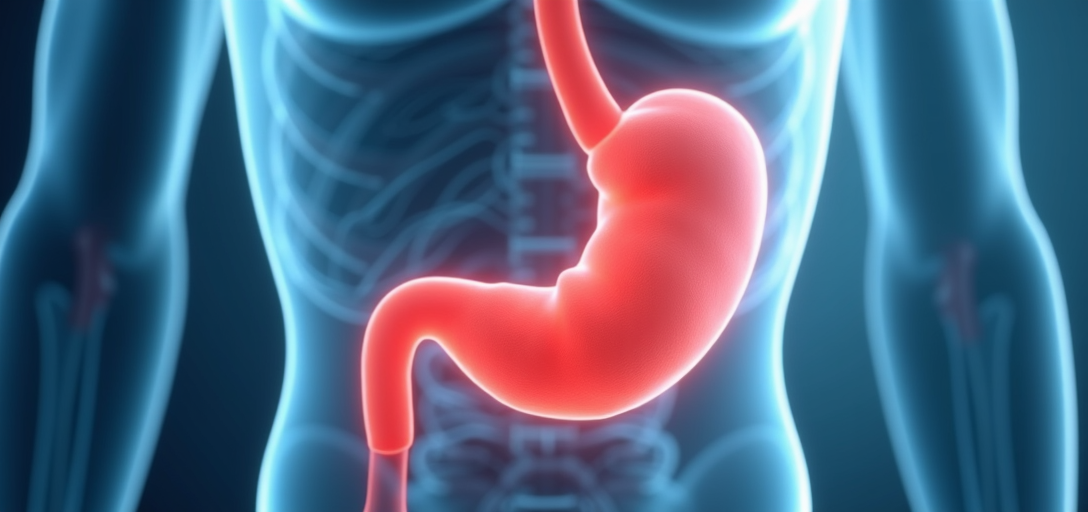
Understanding Stomach Cancer
Stomach cancer, also known as gastric cancer, is a condition where cancerous cells form in the lining of the stomach. According to the American Cancer Society, an estimated 26,380 cases of stomach cancer will be diagnosed in the United States in 2026. Understanding your treatment options is crucial if you or a loved one has been diagnosed with this disease.
What Are The Top 5 Treatment Options For Stomach Cancer?
Treatments for stomach cancer depend on several factors, including the cancer's stage, location, the patient’s overall health, and individual preferences. Here are the top five treatment options available today:
1. Surgery
Surgery is often the primary treatment for stomach cancer, especially in early stages. The goal is to remove the tumor and part or all of the stomach, depending on the cancer's spread. The most common surgeries include:
- Total Gastrectomy: This involves removing the entire stomach, nearby lymph nodes, parts of the esophagus, small intestine, and surrounding tissues as necessary.
- Partial (Subtotal) Gastrectomy: In this procedure, only the cancerous part of the stomach is removed. This is more common if the cancer is located in a specific section of the stomach.
- Lymphadenectomy: Lymph nodes near the stomach are often removed to check for further cancer spread.
Recent advancements have improved surgical outcomes significantly. For instance, minimally invasive techniques, such as laparoscopy, have reduced recovery times and complications.
2. Chemotherapy
Chemotherapy uses drugs to kill cancer cells. It's frequently used along with other treatments to enhance their effectiveness, especially in more advanced stages. Chemotherapy can be administered:
- Before Surgery (Neoadjuvant Therapy): To shrink the tumor, making it easier to remove.
- After Surgery (Adjuvant Therapy): To kill any remaining cancer cells and reduce the risk of recurrence.
- Palliatively: To relieve symptoms and improve quality of life when the cancer is inoperable.
The development of targeted chemotherapy agents, which focus specifically on cancer cells while sparing healthy cells, has improved treatment efficacy and reduced side effects.
3. Radiation Therapy
Radiation therapy uses high-energy rays to target and kill cancer cells. It's often used in combination with chemotherapy both before and after surgery. Techniques like Intensity-Modulated Radiation Therapy (IMRT) allow for precise targeting, minimizing damage to surrounding healthy tissues. Radiation can also be employed to manage pain and symptoms in advanced cases.
4. Targeted Therapy
Targeted therapies are newer cancer treatments that use drugs designed to "target" specific genes or proteins that are involved in cancer growth and survival. For stomach cancer, targeted therapies focus on the HER2 protein or VEGF/VEGFR pathways:
- Trastuzumab: Used to treat HER2-positive stomach cancers, it binds to the HER2 protein, slowing cancer cell growth.
- Ramucirumab: This monoclonal antibody works against the VEGFR2 protein, hindering the blood supply to the tumor, thus starving it.
These targeted therapies are less invasive than chemotherapy and can lead to better outcomes with fewer side effects, particularly for specific genetic cancer types.
5. Immunotherapy
Immunotherapy is an exciting development in cancer treatment that harnesses the body's immune system to recognize and destroy cancer cells. Pembrolizumab, a PD-1 inhibitor, is one such drug used to treat advanced stomach cancers. Immunotherapy is especially effective for treating cancers with high microsatellite instability (MSI) or PD-L1 expression.
Recent studies have shown promising results in prolonging life and reducing symptoms for patients who respond to these treatments. Ongoing clinical trials continue to explore its potential for wider applications in gastric cancer.
Considerations for Choosing a Treatment Plan
Choosing the right treatment involves various considerations, including:
- Stage and Spread: Early-stage cancers might only require surgery, while advanced cancers often need a combination of treatments.
- Overall Health: The patient's general health can influence the choice of treatment, as some therapies are more demanding than others.
- Side Effects: Different treatments come with their own sets of side effects. Discussing these with an oncologist can help decide the most suitable option.
- Personal Preferences: Treatment decisions should align with the patient's values, lifestyle, and what they hope to achieve through treatment.
Recent Research and Advancements
The landscape of stomach cancer treatment is continually evolving with ongoing research and clinical trials. Recent findings in 2026 have highlighted the potential of combination therapies, where targeted drugs are used alongside immunotherapy to enhance treatment efficacy. Furthermore, the use of genetic profiling has allowed for more personalized treatment plans, improving survival rates and quality of life for many patients.
For more information, reliable resources like the National Cancer Institute and the American Cancer Society offer in-depth insights into treatment options and ongoing research.
Coping with Stomach Cancer
Coping with a stomach cancer diagnosis can be overwhelming. Support systems, including family, friends, and cancer support groups, are crucial for emotional well-being. Mental health professionals specializing in oncology can also provide valuable support to handle the psychological impact of cancer and its treatment.
For caregivers, educating themselves about the disease and its treatments enables them to better support their loved ones through the challenging journey.
Conclusion
Understanding the top treatment options for stomach cancer, and staying informed of the latest advancements, empowers patients and their families to make more informed decisions. By collaborating closely with healthcare teams, patients can personalize their treatment journeys to best suit their needs and priorities, improving both survival rates and quality of life.