Exploring the Value of Reconditioned iPhones: Are They a Smart Choice?
Discover the potential of reconditioned iPhones from Apple. Are these refurbished devices worth considering? While reconditioned iPhones promise affordability, it's essential to weigh their benefits against possible drawbacks. Many users report satisfaction, but experiences vary.
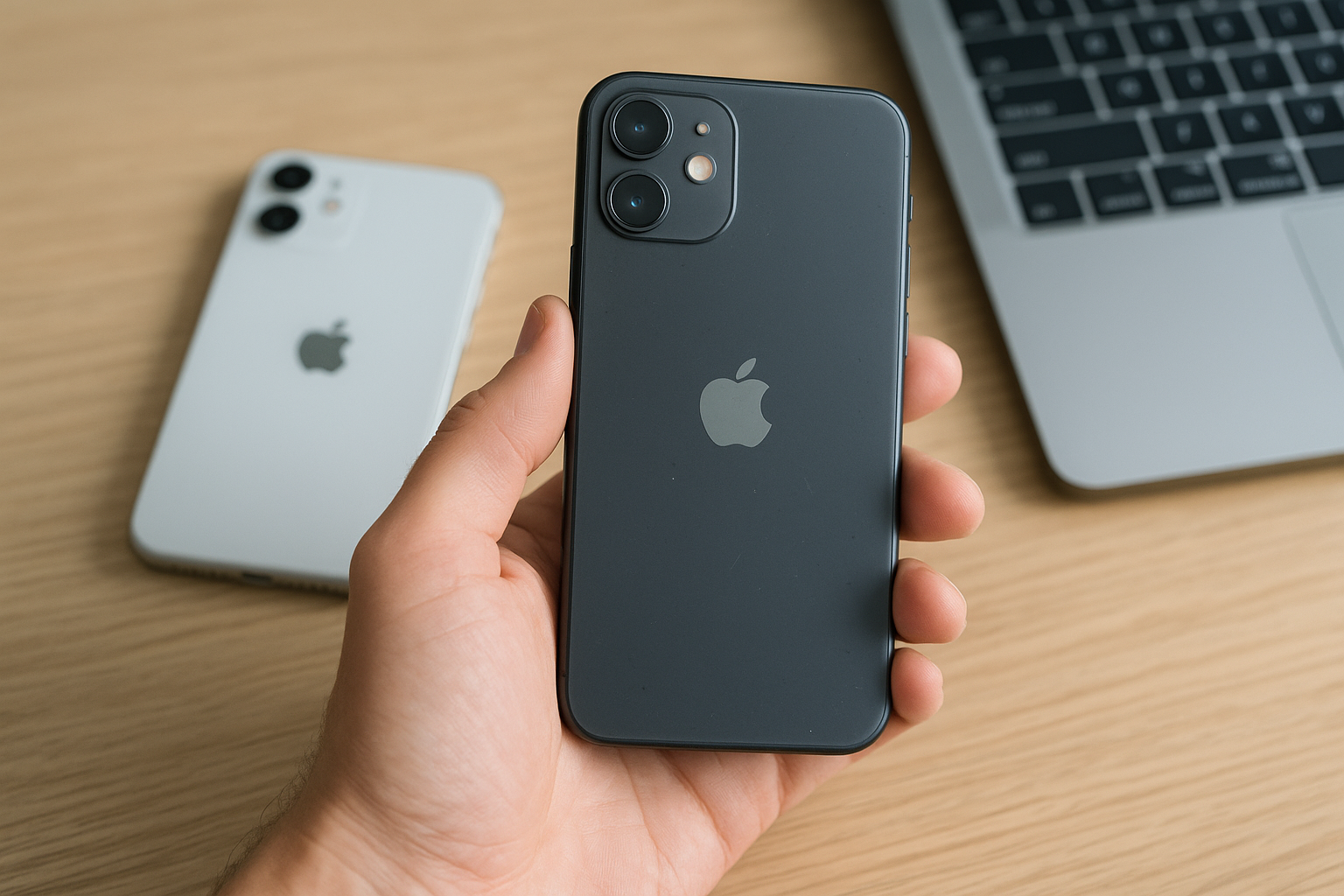
Understanding Apple Reconditioned iPhones
Reconditioned, or refurbished, Apple iPhones are pre-owned devices that have been restored to good working condition. These iPhones are returned to the manufacturer or retailer for various reasons, such as defects, trade-ins, or customer returns, and are then repaired and certified for resale. In recent years, the demand for refurbished technology has risen due to the sustainability movement and the rising costs of new tech gadgets.
Buying a reconditioned iPhone could be an excellent decision for many who want to enjoy Apple's top-notch technology without paying full price. The real question is, are these reconditioned iPhones worth checking? Let's explore this topic in depth.
What is the Difference Between Reconditioned and New iPhones?
The key difference between reconditioned and new iPhones lies in their history and price. Here's a breakdown:
- Condition: A new iPhone is straight out of Apple's assembly line, untouched and unused. A reconditioned iPhone, however, is one that has been previously used but has gone through a restoration process.
- Warranty: Apple typically offers a one-year warranty for new iPhones. Reconditioned iPhones sold by Apple usually come with a slightly shorter warranty, often around 90 days, although some retailers extend this period.
- Packaging: New iPhones come in brand-new packaging with all the original accessories. Reconditioned iPhones might have different packaging and may include non-original accessories.
- Price: Reconditioned iPhones are generally cheaper than new models, offering savings that can range from 15% to as much as 50% off the retail price.
Thus, opting for a reconditioned iPhone can be a more economical choice without sacrificing technology quality. Still, it’s essential to purchase from reputable sources to ensure reliability, performance, and coverage by warranty.
Why Consider Reconditioned iPhones?
Affordability Factor
The most significant advantage of opting for a reconditioned iPhone is the cost savings. In 2026, the price of high-end smartphones continues to rise, and iPhones are no exception. A reconditioned iPhone allows you to own a premium device while making a more budget-conscious decision. According to a recent study by Statista, the average savings for reconditioned smartphones hit approximately 30% compared to brand-new models.
Eco-Friendly Choice
Buying reconditioned technology contributes to reducing e-waste. In a world increasingly mindful of environmental impact, choosing a refurbished iPhone is a nod towards sustainability. It prolongs the device’s life cycle and prevents the waste associated with constant production and disposal. Apple, for instance, has placed a strong emphasis on reducing its carbon footprint by encouraging the recycling and reuse of electronics.
Access to Older Models
Reconditioned options also provide access to older iPhone models that might be unavailable in their new state. This is particularly beneficial for users who prefer specific models due to size, features, or personal comfort. For instance, the iPhone SE (2nd generation) is still popular among users who favor compact phones, and finding it reconditioned is likely more feasible than purchasing it new.
Ensuring Quality: The Certification Process
Quality assurance is a frequent concern among consumers considering reconditioned iPhones. However, the certification process ensures that these devices perform reliably. Here's a glimpse at the typical steps of this process:
- Inspection: Each device is examined for cosmetic defects and functional faults. This includes testing the display, battery capacity, and physical buttons.
- Repair: Faulty components are repaired or replaced by certified technicians. This process makes sure that the iPhone meets Apple's performance standards.
- Software Reset: A full software check and reset to the factory settings ensure the device is free of malware or user data from its previous owner.
- Quality Tests: Before certification, the phone undergoes a series of quality testing to ensure all features work seamlessly.
This thorough process helps ensure that buyers receive a product that meets quality and performance expectations, akin to a new device.
Things to Consider Before Purchasing
Check Warranty and Return Policy
Always review the warranty and return policy before purchasing a reconditioned iPhone. Ensure you have a written guarantee that covers various issues, like hardware failures. For instance, Apple's certified reconditioned iPhones often come with a minimum of 90-day warranty, while other retailers might offer extended guarantees.
Purchase From Reputable Sellers
Opt for trusted vendors, such as Apple’s official refurbished store or certified retailers, to avoid counterfeit products or subpar refurbishing jobs. Read customer reviews and verify the seller’s reputation to ascertain the reliability of the device.
Evaluate Your Needs
Determine whether your usage justifies the technology and cost. If your needs involve extensive camera use or high storage requirements, ensure that the reconditioned model under consideration meets those needs. For general use, however, most recent reconditioned models are more than adequate.
Conclusion: Are Reconditioned iPhones Worth Checking?
In conclusion, reconditioned iPhones present a viable and economically smart choice for many consumers. They offer significant savings, contribute to sustainable practices, and provide access to premium technology without the hefty price tag. With 2026 data showing increasing consumer acceptance and satisfaction with reconditioned products, they warrant serious consideration for interested buyers.
Ultimately, the decision to buy a reconditioned iPhone should be informed by careful evaluation of the vendor’s credibility, the device’s condition, and your specific needs. By taking these steps, you’re primed to make a purchase that is both prudent and satisfying.