Exploring the Value of Samsung TVs: Are They Worth Your Investment in 2026?
Explore the evolving features of Samsung TVs and consider their value in 2026. With technology advancing rapidly, are Samsung TVs worth the cost, or do competitors offer better deals? Delve into key aspects like display innovations and smart functionalities to find out.
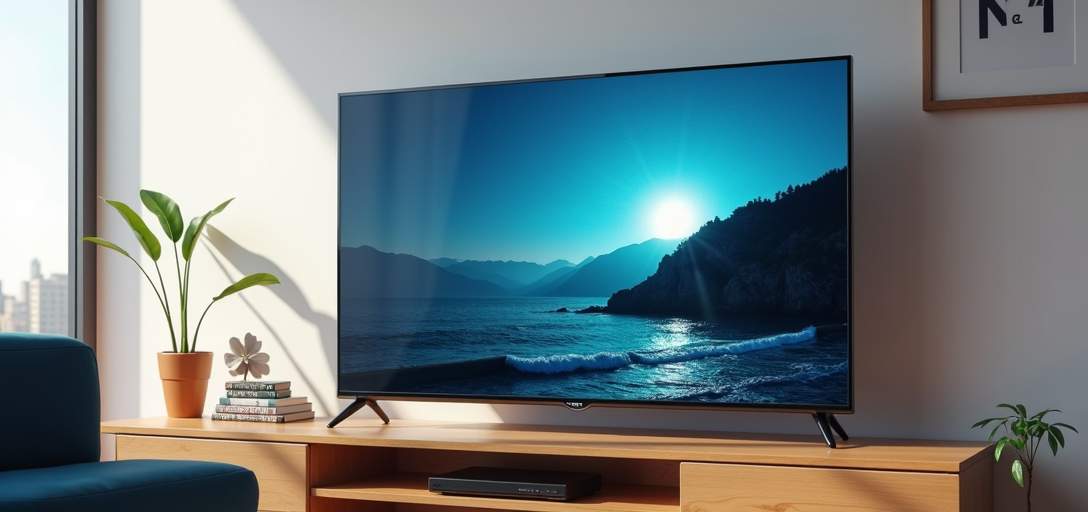
Understanding the Landscape of Samsung TVs in 2026
As technology continues to advance rapidly, consumers are faced with more options than ever when it comes to purchasing a television. Samsung remains a leading contender in this market, renowned for its innovative designs and cutting-edge technology. But the pivotal question remains: Are Samsung TVs worth the cost in 2026? To answer this, we must examine various aspects including technological advancements, pricing, consumer reviews, and market trends.
Technological Innovations in Samsung TVs
Quantum Dot Technology and QD-OLED
In 2026, Samsung continues to lead the charge with its impressive adoption of Quantum Dot Technology and the development of QD-OLED displays. These technologies enhance color accuracy and brightness, creating vibrant and true-to-life images. Reports from the Consumer Electronics Show (CES) highlighted that the QD-OLED panels utilized in Samsung TVs currently offer superior contrast ratios and energy efficiency compared to traditional OLEDs. This makes them particularly appealing for consumers seeking premium quality. For more on this, check Display Daily.
Integration with Smart Home Ecosystems
Samsung TVs in 2026 are adept at integrating with smart home systems, thanks to advancements in AI and IoT (Internet of Things) capabilities. With the SmartThings platform, these TVs serve as a central hub, seamlessly connecting with devices like smart locks, lights, and thermostats. The voice control feature, facilitated by Bixby, Alexa, and Google Assistant, adds a layer of convenience and accessibility, enhancing the viewing experience and making homes smarter. This integration is invaluable for tech-savvy users seeking a cohesive home automation experience.
Pricing Analysis: Are Samsung TVs Economically Viable?
Comparison with Competitors
When we consider the pricing of Samsung TVs in 2026, it's essential to compare them with other brands such as LG, Sony, and Vizio. While Samsung models are often priced at a premium, they justify this through a combination of high-quality display technology and robust smart features.
- LG: Known for OLED TVs with deep blacks and excellent color, priced competitively but often without Quantum Dot enhancements.
- Sony: Offers exceptional picture processing technology, but at a similar or higher price point than Samsung.
- Vizio: Provides budget-friendly options, but sometimes at the cost of cutting-edge technology and support features.
Considering these factors, Samsung's pricing reflects its commitment to offering the latest technology and extensive smart features, providing long-term value for the consumer.
Long-Term Investment
A Samsung TV in 2026 should be viewed as a long-term investment. Although the initial cost may be higher, the longevity, reliability, and continuous software updates ensure that these TVs remain valuable assets in a home entertainment setup for many years. Customers report high satisfaction levels due to the durability and sustained performance of these units, suggesting that even though the upfront cost is significant, the expenditure is justified by long-term benefits and experiences.
Consumer Feedback and Market Reception
Customer Reviews and Satisfaction
Samsung has consistently received favorable reviews from consumers, with high ratings on trusted platforms such as Consumer Reports and TechRadar (TechRadar). Users frequently commend the stunning picture quality, ease of use, and the intuitive nature of the smart TV functions. However, a common dissenting voice concerns the pricing, as some consumers feel that comparable models from other brands could be more cost-effective.
Market Position and Trust
Samsung holds a dominant position in the U.S. television market, reflecting consumer trust and brand reputation developed over decades. Their commitment to eco-friendly practices, such as the use of recycled materials and energy-efficient technology, further bolster their image as a responsible and forward-thinking entity. For environmentally conscious consumers, this presents an additional layer of justification for opting for Samsung's offering in 2026.
Conclusion: Making an Informed Decision
Deciding whether Samsung TVs are worth the cost in 2026 depends on individual priorities and budget constraints. If cutting-edge technology, high-level integration with smart home systems, and long-term investment are your primary considerations, then a Samsung TV is undoubtedly a worthwhile purchase.
Conversely, if initial cost is a more significant concern, consumers might explore alternatives. However, it’s unequivocal that Samsung TVs continue to uphold a high standard of quality and innovation, making them a strong contender in the modern market.
Ultimately, the choice hinges on your personal preferences and how much value you place on technological advancements and brand reputation. By keeping abreast with the latest developments and comparing your options, you can make a sound decision that meets your entertainment needs and financial capacity.
References
- Samsung US TV Buying Guide
https://www.samsung.com/us/tvs/tv-buying-guide/ - RTINGS – Best TVs of 2026 (Samsung S95H ranked Best Overall)
https://www.rtings.com/tv/reviews/best/tvs-on-the-market - Consumer Reports – Best TVs of 2026
https://www.consumerreports.org/electronics-computers/tvs/best-tvs-of-the-year-a3862868628/ - Business Insider – Best Samsung TVs in 2026
https://www.businessinsider.com/guides/tech/best-samsung-tvs - Tom's Guide – Samsung TV Buying Guide 2026
https://www.tomsguide.com/tvs/shopping-for-a-samsung-tv-this-year-heres-my-expert-guide-to-samsungs-newest-oleds-micro-rgb-tvs-and-more