Exploring the Varieties of Modern Home Security Systems
Explore the various types of home security systems available today. From smart alarms to traditional surveillance cameras, finding the right option can enhance your home's protection. Discover how different systems work and what features might fit your needs best.
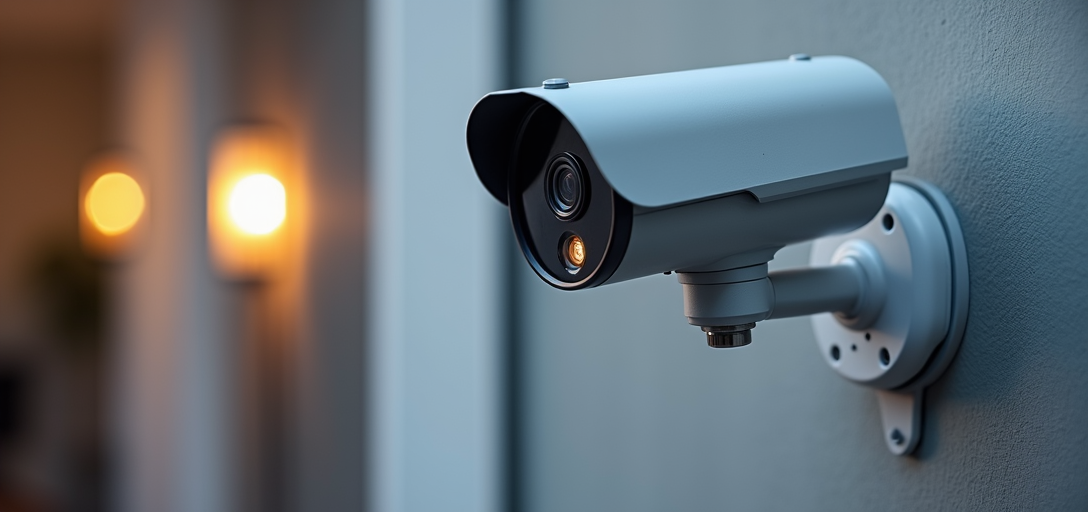
Understanding Home Security Systems
With the increasing rates of burglary and home invasions, understanding home security systems can greatly enhance the safety and peace of mind of homeowners in Australia. As technology advances, the options for home security systems have expanded, offering a range of features catering to different needs and budgets.
Types of Home Security Systems Available in Australia
1. Monitored Security Systems
Monitored security systems are a popular choice for many homeowners due to their comprehensive protection. When an alarm is triggered, these systems notify a monitoring center, which then contacts the homeowner and emergency services if necessary.
In Australia, monitored systems are offered by companies like ADT and Chubb. These systems typically require a monthly fee but offer professional oversight and quick response to emergencies.
- 24/7 Monitoring
- Emergency Response
- Remote Access through Mobile Apps
2. Unmonitored Security Systems
Unlike monitored systems, unmonitored systems rely on the homeowner or neighbours to react in case of an alarm. These systems are typically less expensive as they do not involve monthly fees.
They can include features such as sirens and strobe lights to alert and deter intruders. Homeowners rely on loud alarms to scare off burglars and the vigilance of those nearby to notify authorities. This might be a suitable choice for those prioritizing budget over round-the-clock monitoring.
3. Wireless Security Systems
Wireless security systems are increasingly popular due to their flexibility and ease of installation. They use Wi-Fi or other wireless communications to operate, making them a good choice for rental properties or homes where running wires is impractical.
These systems, offered by major Australian providers like Swann and Ring, typically include features such as cameras, motion detectors, and door/window sensors that are easy to install and expand.
- Portable and Easy Installation
- Remote Control and Monitoring
- Compatible with Smart Home Devices
4. Wired Security Systems
Wired security systems are known for their reliability and are still preferred by many for homes with extensive security needs. These systems use a complex wiring network and are directly connected to your home’s electricity, reducing the risk of wireless interference.
Installation can be more challenging, making professional installation advisable. Such systems may be more suited to permanent residences and larger properties that require comprehensive protection.
5. DIY Security Systems
For those who prefer to control every aspect of their home security, DIY systems offer the flexibility to customise and install themselves. Available for purchase through retailers like Bunnings or online platforms such as Amazon, these systems can be customised to suit specific requirements.
DIY systems often come with user-friendly apps for monitoring and controlling security features from anywhere. They are ideal for tech-savvy individuals who want to tailor their systems meticulously.
Factors to Consider When Choosing a Home Security System
Budget and Costs
The cost of home security systems can vary dramatically. It’s important to balance the initial and ongoing costs with the level of security you need. Monitored systems may have higher ongoing costs, whereas DIY and unmonitored systems might be more cost-effective upfront.
Installation and Complexity
Consider whether you prefer a plug-and-play installation or if you are willing to hire a professional. DIY systems are usually simpler to install, while wired systems might require professional help to ensure full operational capability.
Integration and Smart Home Compatibility
The ability to integrate with other smart home devices can be a crucial factor. Many newer systems offer compatibility with platforms like Google Home or Apple HomeKit, allowing users to control their security system in conjunction with other smart devices like lighting and audio systems.
The Future of Home Security in Australia
As technology continues to evolve, home security systems in Australia are becoming more advanced, integrated, and user-friendly. There is an increasing trend towards using artificial intelligence to improve alert systems, reduce false alarms and increase overall effectiveness. Additionally, advancements in video analytics are providing homeowners with more actionable insights into their home security.
By 2026, it is anticipated that the smart home market will grow significantly, with home security systems being a key component. As Australians continue to prioritize home security, staying updated with the latest innovations and choosing systems tailored to personal needs will remain paramount.
For more information, consider consulting resources from the Consumer Affairs Victoria or examining reports on home security advancements from organizations like Security 2026.