Exploring Unsecured Loan Options for Those with Poor Credit
Discover unsecured loans for poor credit and how they can be a viable option for those with less-than-perfect scores. In this guide, we explore potential opportunities and considerations when seeking unsecured loans for poor credit, aiming to provide insights without overpromising guarantees.
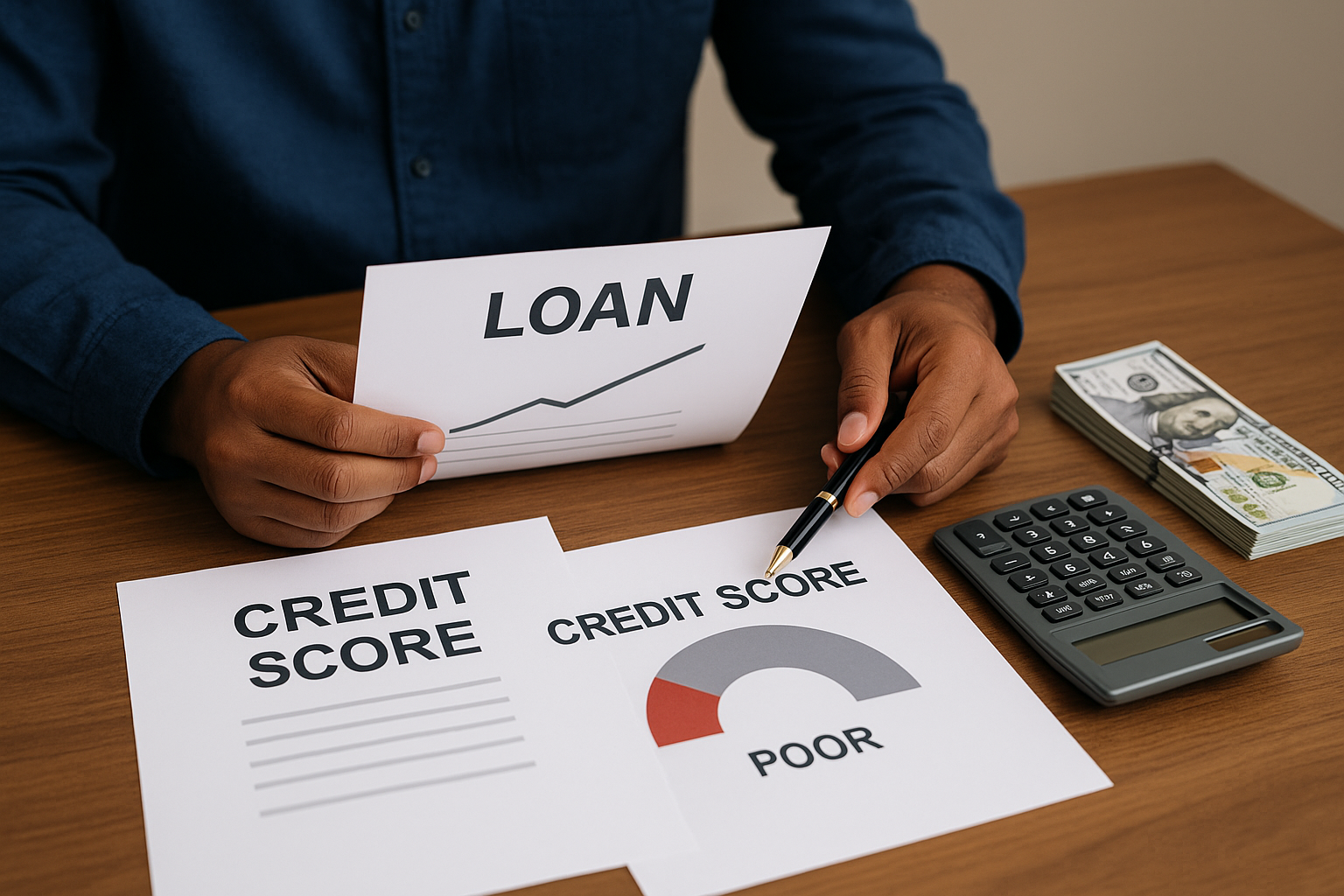
Understanding Unsecured Loans for Poor Credit
In today's financial climate, finding a lender that is willing to provide a loan without any form of security can be daunting, especially if you have poor credit. Unsecured loans do not require collateral, which is why they are appealing to many. This article will help demystify unsecured loans and explain their implications for those with poor credit.
What is an Unsecured Loan?
An unsecured loan is a type of loan that does not require the borrower to provide any asset as security. Lenders rely solely on the creditworthiness and income of the borrower. With no collateral involved, the lender assumes a higher risk, which often results in higher interest rates compared to secured loans.
Who Can Apply for Unsecured Loans?
Unsecured loans are available to individuals with varying degrees of credit history. However, those with poor credit might find the conditions less favorable, such as higher interest rates and lower borrowing limits.
How Do Unsecured Loans Affect Your Credit Score?
Applying for an unsecured loan will typically involve a hard inquiry into your credit report, which can temporarily lower your credit score. Successfully repaying the loan can potentially improve your credit score over time, provided that payments are made on time.
Are Unsecured Loans a Good Option for Poor Credit?
The suitability of unsecured loans for individuals with poor credit largely revolves around individual circumstances and available options. Consider the following advantages and disadvantages:
- Advantages:
- Quick access to funds, useful for emergencies
- No risk of losing collateral
- Disadvantages:
- Higher interest rates
- Potential impact on credit score
Alternative Options to Consider
While unsecured loans can be a lifeline for some, exploring alternative options might be beneficial:
- Payday Alternative Loans offered by credit unions.
- Credit counseling services for better financial management.
- Secured credit cards to build or rebuild credit.
Applying for an Unsecured Loan with Poor Credit
If you decide that an unsecured loan is the right choice for you, follow these general steps to apply:
Evaluate Your Financial Situation
Before applying, take a close look at your finances. Determine how much you need to borrow and what you can realistically afford to repay each month. Being clear about your financial standing can prevent borrowing more than necessary and falling into further debt.
Research and Compare Lenders
Not all lenders are created equal, especially when dealing with poor credit. Consider looking at both traditional banks and online lenders. Some online platforms like NerdWallet's review on loans for bad credit might be helpful in finding appropriate lenders.
Prepare the Necessary Documentation
Having your documentation ready can streamline the loan application process. Common documents include proof of identity, proof of income, and bank statements.
Submit Your Application
Once you've found a suitable lender, complete your loan application with as much detail and accuracy as possible. Some lenders allow pre-qualification, which can give you an estimate of the loan terms you might be offered without affecting your credit score.
Wait for Approval
After submission, the lender will review your application. Given that this is for poor credit, they may take additional factors into account, such as employment history or income level.
Managing Unsecured Loans Responsibly
Once you receive an unsecured loan, it's crucial to manage it responsibly to avoid deteriorating your financial health further.
Create a Payment Plan
Draft a solid repayment schedule, ensuring you meet all your due dates. Missing payments can severely damage your credit score and result in additional fees.
Consider Loan Consolidation or Refinancing
If multiple unsecured loans or debts become overwhelming, consider options to consolidate or refinance them into a single loan with a potentially lower interest rate.
Seek Financial Advice
Organizations like the Financial Beginnings can provide workshops and classes that educate consumers on personal finance, which can be particularly beneficial when managing loans.
https://www.bankrate.com/loans/personal-loans/how-to-get-a-bad-credit-loan/
https://www.experian.com/blogs/ask-experian/how-to-get-a-loan-with-bad-credit/
https://www.nerdwallet.com/personal-loans/best/bad-credit-loans
https://www.lendingtree.com/personal/what-to-know-about-no-credit-check-personal-loans/
https://www.chase.com/personal/credit-cards/education/build-credit/loans-with-bad-or-no-credit
https://www.onemainfinancial.com/resources/loan-basics/credit-score-for-personal-loan
https://www.lendingtree.com/personal/best-personal-loans-for-bad-credit/
https://www.usa.gov/loans