Exploring Your Choices: 5 Types of Nursing Home Rooms for Seniors
Exploring senior living options? Discover the top five nursing home room options seniors can compare. Each choice offers unique benefits tailored to varied needs and preferences, enhancing comfort and quality of life.
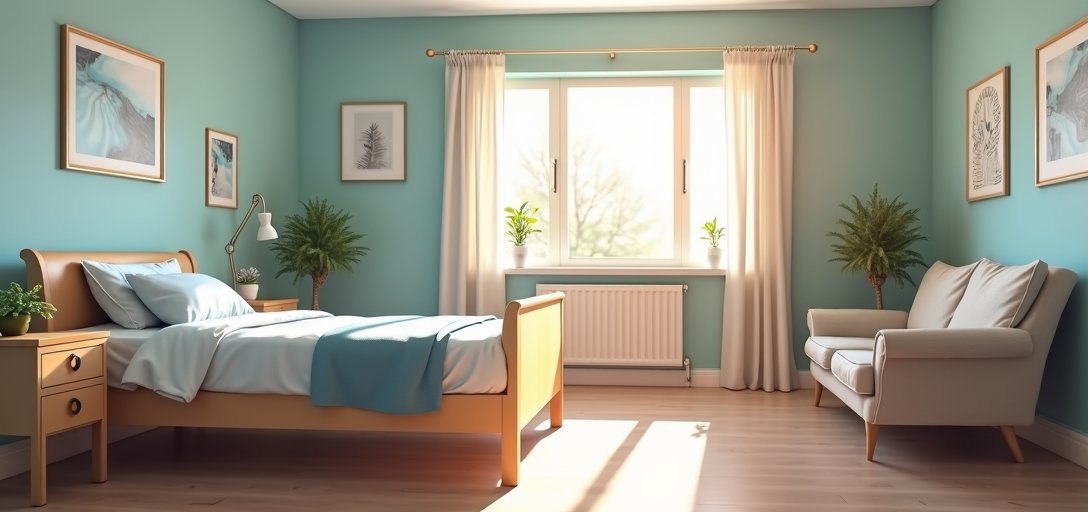
Understanding the 5 Nursing Home Room Options for Seniors
Choosing a nursing home is a critical decision for seniors and their families. With an array of room options available, it can become overwhelming to decide which best suits the needs of your loved ones. In this guide, we'll explore the five primary nursing home room options so you can make an informed decision for your family's unique circumstances.
1. Private Rooms
Private rooms provide residents with a space entirely their own, which can be especially important for seniors who value privacy and personal space. These rooms typically include a bed, personal bathroom, and sometimes a small sitting area or space for personal belongings. In 2026, the average cost of a private room in a US nursing home is approximately $9,034 per month, according to the Genworth Cost of Care Survey.
- Privacy: Enjoyment of personal space without sharing with a roommate.
- Customization: Ability to personalize the room with belongings and decor.
- Price: Generally the most expensive option in nursing homes.
2. Semi-Private Rooms
Semi-private rooms are a cost-effective choice for many families, averaging about $7,674 monthly. These rooms typically house two residents, with shared facilities such as a bathroom. They provide companionship and can help reduce the feeling of isolation often experienced by seniors in private rooms.
- Companionship: Allows for social interaction and reduced loneliness.
- Cost: More affordable than private rooms.
- Limited Space: Less room for personal belongings and privacy.
3. Shared Rooms
Shared rooms, similar to semi-private ones, often accommodate more than two residents. They are the most cost-effective option, ideal for seniors with limited budgets. While offering the least privacy, these rooms provide a community-like atmosphere, often fostering bonding among residents.
- Affordability: Ideal for budget-conscious families.
- Community Feel: Enhances social engagement through shared living space.
- Privacy Constraints: Limited personal space and privacy.
It is important to consider whether your loved one might require a quieter environment, as shared room settings can sometimes be more lively and noisy.
4. Suites
Suites offer a more luxurious living option, often featuring additional living spaces, such as a small living room area or separate bedroom. These suites provide ample space for seniors who may appreciate extra room for entertaining family or engaging in activities within their private quarters.
- Space: Offers a spacious living with designated areas for various activities.
- Amenities: Often includes extra amenities like a kitchenette.
- High Cost: Tends to be on the higher end in terms of pricing.
5. Specialty Care Units
For seniors with specific healthcare needs, such as Alzheimer’s or dementia, specialty care units provide tailored care and facilities. These units are designed to cater to residents requiring close medical supervision and specialized care, often with skilled nursing staff available round-the-clock.
- Targeted Care: Provides care for specific medical conditions.
- Staffing: High staff-to-resident ratio ensures attentive care.
- Environment: Safe and secure spaces designed to cater to specific conditions, with an environment that feels both protective and supportive.
The continuous support and secure facility help in providing the best care for seniors with unique medical conditions.
Factors to Consider When Choosing a Room Option
When deciding on a room, consider the following factors to ensure your loved one feels comfortable and at home:
- Budget: Determine what you can afford ongoing. While suites and private rooms offer more amenities, they also come with a higher price tag.
- Privacy Needs: Consider how much personal space your loved one needs. This is crucial for seniors who value their solitude or have sensitive health conditions.
- Social Interactions: Evaluate the potential for social engagement and whether your loved one prefers solitude or company.
- Medical Needs: Consider whether specialized care units are required.
Conclusion
Selecting the right room option in a nursing home is a significant decision impacting the quality of life and wellbeing of your loved one. Weighing the potential benefits and drawbacks of each option with respect to their unique needs will facilitate a choice that provides comfort, safety, and satisfaction.
Always visit and tour multiple facilities to gauge their environment and amenities. Engage with staff to ensure they address all your concerns. Informed choices lead to peaceful living arrangements and contentment.
For additional resources on choosing a nursing home in the US, visit sources such as Genworth Cost of Care Survey and Medicare.gov for further information on what Medicare covers.