Extend the Life of Your Vehicle: Discover Your Car's Warranty Options
Curious about whether your car's warranty is still active? Find out essential tips to determine if your car may still be covered by a warranty, ensuring peace of mind. Discover what conditions might apply, and learn about options if your warranty has expired.
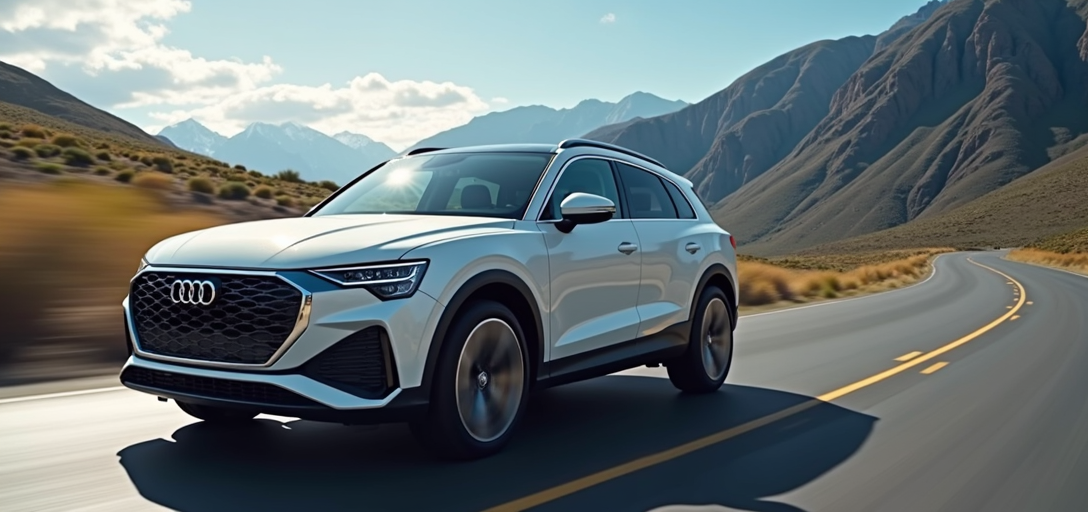
Understanding Car Warranties: Are You Still Covered?
The idea that "Your Car May Still Be Covered By A Warranty" is a compelling one, often prompting car owners to think about their vehicle's protection. This article will delve into various aspects of car warranties, helping you comprehend what they entail, how they work, and whether your car might still be under coverage. We'll explore the key questions related to car warranties, equipped with current data and examples relevant to the United States in 2026.
What Is a Car Warranty?
At its core, a car warranty is a commitment from the manufacturer or dealer to cover certain repairs and services over a specific period, usually in terms of time or mileage. Warranties help provide peace of mind, ensuring you're not caught off guard by unexpected repairs.
Types of Car Warranties
- Manufacturer's Warranty: Typically covers new cars and lasts about 3 to 5 years or 36,000 to 60,000 miles, whichever comes first.
- Powertrain Warranty: Focuses solely on the engine, transmission, and other parts that provide power to the car. Coverage can last up to 10 years or 100,000 miles for some brands.
- Bumper-to-Bumper Warranty: Offers the most comprehensive coverage for nearly everything between the front and rear bumper. However, "wear items" like brakes aren't usually covered.
- Extended Warranty: An additional policy that offers continued coverage after the original warranty expires, often available through the manufacturer or third parties.
How Do You Check If Your Car Is Still Covered?
To verify whether your car is still under warranty, you can start by reviewing the original purchase paperwork, which should outline the warranty details. Additionally, contact your dealership directly with your Vehicle Identification Number (VIN) to receive precise information on any existing coverage.
Benefits of Having a Warranty
Maintaining a warranty can protect you from the financial burden of certain repairs. Here’s how:
- Reduces out-of-pocket repair costs for covered parts.
- Offers peace of mind due to knowing specific components are covered under warranty terms.
- Makes the resale of the vehicle easier since warranties can be transferred to new owners, increasing the car's market value.
Is It Worth Extending Your Car's Warranty?
As most standard warranties expire, car owners face the decision: should they get an extended warranty? To make an informed choice, consider the following:
- Vehicle Reliability: Research the common issues your vehicle model faces. Consumer Reports can be a good resource, providing updated reliability ratings and cost of ownership details in 2026.
- Vehicle Age and Mileage: Extended warranties may be more beneficial for cars nearing the end of their initial warranty, especially if they have accrued high mileage.
- Finance Management: Evaluate your budget and the potential financial impact of unscheduled repairs. Extended warranties can spread big expenses over time.
Exploring Third-Party Warranties
Beyond manufacturer options, many third-party companies offer extended warranties. While they can sometimes offer valuable coverage, it's crucial to scrutinize the terms and company reputation. Using resources like the Better Business Bureau and consumer reviews are wise steps to ensure credibility.
Recent Trends in the Car Warranty Market
As of 2026, the car warranty landscape includes technological advances that incorporate telematics to track vehicle health and suggest proactive maintenance — reducing the risk of significant repairs. Companies increasingly leverage data to personalize warranties, addressing specific owner needs (Source: Market Watch).
Moreover, an increasing number of manufacturers are turning to subscription models for warranties, spreading costs over monthly payments. This model is aligning warranty coverage with evolving consumer expectations for flexibility (Source: Automotive News).
Conclusion
Understanding the details and availability of car warranties can significantly impact your car ownership experience in the United States. Whether you're considering staying within the factory warranty or extending coverage through third parties, making informed choices is crucial. With the tips and insights provided here, you can navigate the warranty decisions ensuring your vehicle is adequately covered. Remember to remain vigilant and updated with current industry trends and research, ensuring the best coverage choice for your needs.