Finding Affordable Electricity Providers: A Guide for Texas Residents
Looking for a cheap electricity company in Texas? Discover essential tips on finding affordable options and navigating the competitive energy market. While choosing the right provider can potentially lower your bills, it's crucial to evaluate all factors, including contract terms and usage needs.
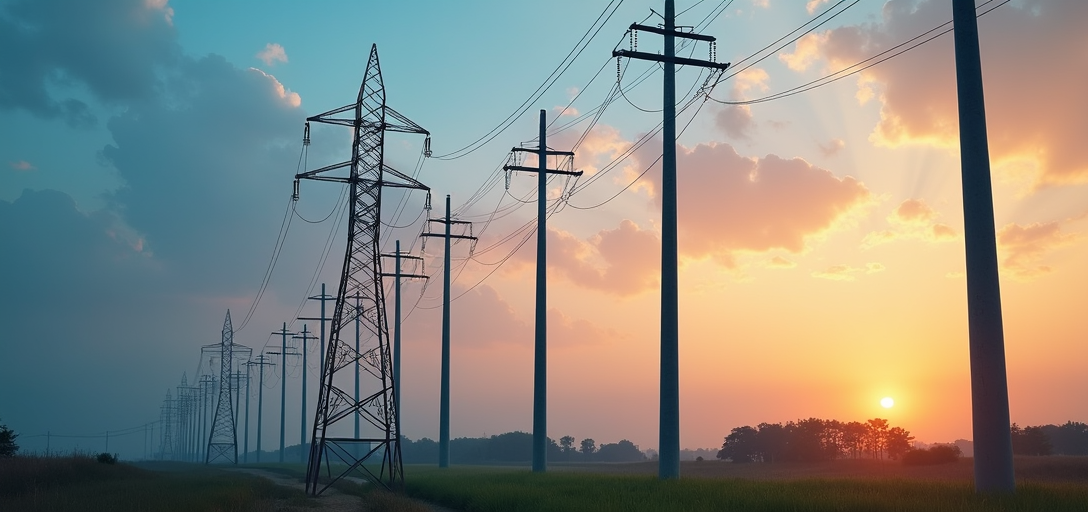
Understanding Cheap Electricity Options in Texas
Texas stands out as a unique state in the United States when it comes to electricity. Unlike many other states, Texas offers a deregulated electricity market, meaning consumers have the power to choose their electricity providers rather than being tied to a single company. This competitive marketplace encourages numerous providers to offer varied plans, aiming to deliver cheaper electricity options to consumers.
However, navigating the myriad of options can be complex. In this article, we'll break down what you need to know about finding a cheap electricity company in Texas, addressing common questions and providing actionable advice.
How Does the Deregulated Market Work?
The deregulation of the Texas electricity market took effect in 2002, and the goal was to enhance competition among electricity suppliers. This system has allowed more than 70 electricity providers to enter the market, each offering different plans. As a consumer, you're given the freedom to choose a plan that best suits your household needs and budget.
Key Questions to Consider While Choosing an Electricity Provider
- What types of plans are available? Texas electricity plans typically fall into fixed-rate, variable-rate, or indexed plans. Fixed-rate plans lock in an electricity price for the duration of the contract, providing stability in billing. Variable-rate plans may fluctuate month-to-month depending on market prices, which can be beneficial during low-demand periods but risky when prices spike. Indexed plans are somewhat of a mix, with rates varying according to a financial index.
- Are there hidden fees? Consumers should be wary of additional fees like early termination fees, late payment fees, or special service fees which can sometimes outweigh the benefits of a low rate.
- What is the average electricity rate in Texas for 2026? As of recent statistics, the average electricity rate in Texas for residential consumers is around 12.8 cents per kilowatt-hour (kWh), although rates can vary based on the provider and location. For the latest information, refer to the U.S. Energy Information Administration (EIA) [site](https://www.eia.gov).
Steps to Secure the Cheapest Electricity Plan
Securing a cheap electricity deal in Texas requires some strategic planning and a bit of homework. Here are a few steps to guide you:
- Assess your energy needs: Evaluate your average monthly energy consumption. Review past bills to understand your usage patterns throughout different seasons, as consumption generally fluctuates.
- Use online comparison tools: Websites like Power to Choose, the official tool for Texas, allow you to compare different electricity providers and plans easily based on your zip code.
- Look for promotional offers: Many providers offer bonuses, such as bill credits or introductory rates, to attract new customers. Review these promotions but be cautious of rate changes after the promotional period ends.
- Read customer reviews: Before switching providers, checking customer reviews on platforms like the Better Business Bureau can help you gauge service reliability and consumer satisfaction.
- Consider long-term benefits: Opt for plans that, although potentially slightly more expensive per kWh, might offer greater long-term savings through stable rates and excellent customer service.
Impact of Energy Efficiency and Renewable Options
Adopting energy-efficient practices and incorporating renewable energy sources can profoundly affect your electricity bill:
- Energy-efficient appliances: Upgrading to appliances with the ENERGY STAR label can significantly reduce electricity consumption.
- Residential solar panels: Texas provides ample sunlight, making solar panels an attractive long-term investment. While the upfront cost is considerable, incentives and rebates, such as those available through programs like the Solar Investment Tax Credit (ITC), can mitigate expenses. More details can be found on the Solar Energy Industries Association [website](https://www.seia.org).
- Smart home devices: Devices that automate home energy use, like smart thermostats and home energy management systems, help optimize energy consumption and reduce waste.
Real-World Examples and Success Stories
Consider the case of a family in Houston who switched to a fixed-rate electricity plan with a cheaper provider in early 2026. After evaluating their past electricity usage, they chose a two-year fixed-rate plan at 11.5 cents per kWh. Through strategic use of energy-efficient practices, they reported a 15% reduction in their annual energy costs even amidst seasonal highs.
Conclusion: Stay Informed and Engaged
The key to benefiting from cheap electricity plans in Texas lies in staying informed about the market conditions and knowing your consumption needs. By understanding the types of available plans, carefully assessing offers, and considering long-term financial impacts, you can make educated decisions that lead to significant savings. Always remember, the cheapest rate isn't always the best; consider customer service, plan terms, and potential future costs when making your decision.