Finding the Perfect Mattress Deal at Mattress Firm
Discover the best mattress firm mattress deals to refresh your sleep routine. Searching for the perfect fit? We explore various options, helping you compare different types of mattress firm mattress deals. Find valuable insights and compare prices without commitment.
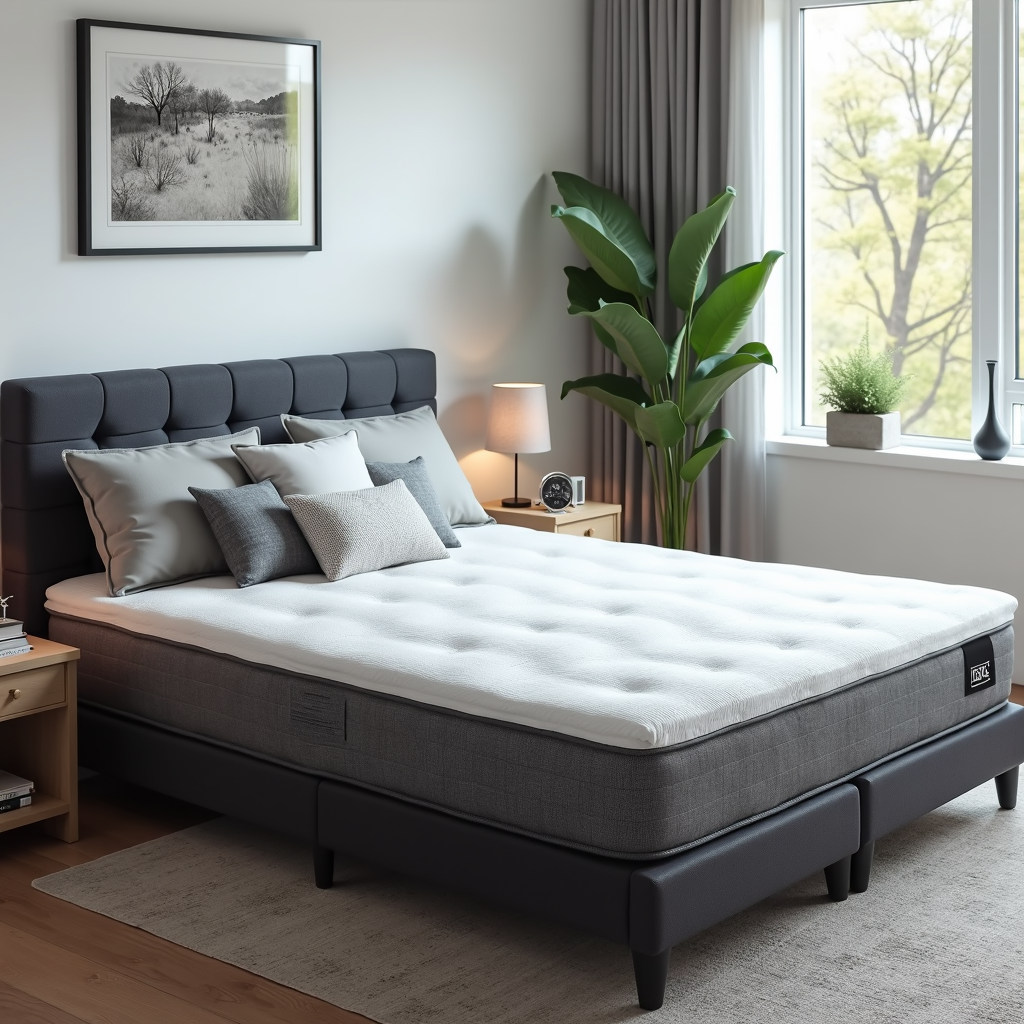
Understanding Mattress Firmness: It's Not Just a Scale
When you see ads talking about "firm" mattresses, it's easy to assume there's a single, universally agreed-upon meaning. However, mattress firmness is an extremely complex topic that involves geometry, material compression, body weight, and individual comfort preferences. To genuinely navigate "mattress deals," the first thing you need to do is understand what firmness actually refers to. It isn't merely how solid the mattress feels on the surface; it describes the level of support the mattress provides across different points of contact, particularly when weighted areas (like hips and shoulders) press down.
The goal of a mattress, especially a firm one, is not simply to resist compression, but to keep your spine in its natural, neutral alignment throughout the night. A mattress that is too hard can create pressure points, while one that is too soft might allow excessive 'sink-in,' which misaligns the spine and hinders restorative sleep cycles. Therefore, finding the right level of support requires looking beyond basic marketing claims.
The Myth of the Firm Scale: What Experts Recommend
While retailers often use a simple 1–10 scale, most sleep specialists agree that firmness should be viewed as a spectrum of *supportive feel*. For deeply knowledgeable consumers, the scale is less useful than understanding the *feel* of the material beneath the surface. A medium-firm mattress, for example, does not mean "halfway between soft and hard." It means it offers enough resilience to prevent excessive sinking while still allowing the natural contours of your body to rest comfortably. This nuanced understanding is critical when evaluating mattress deals.
Research published in late 2025 on sleep biomechanics highlighted that the ideal firmness is dynamic—meaning it must support your spine at rest but also adjust slightly through the sleep cycle to maintain proper blood circulation. This suggests that modern, high-quality mattresses use multi-density zoning to achieve true support, rather than relying on a single, monolithic structure.
- Extra Firm: Best for very heavy sleepers or those with chronic back issues who require maximum rigidity to keep bones perfectly aligned.
- Firm: Provides strong resistance and excellent support for overall spinal alignment, ideal for those who prefer minimal body contouring.
- Medium-Firm: The most popular range, offering a balance of support and comfort. This is often the sweet spot for most people seeking structural integrity without feeling rigid.
Tailoring Support: Choosing Firmness by Sleep Position and Body Type
The ideal level of firmness is inherently personalized. The mattress that is "perfect" for an athletic, light sleeper might be miserably uncomfortable for a heavier, restorative sleeper. You must analyze your primary sleep positions, as this dictates where your body needs the most localized support.
Side Sleepers: Seeking the Embrace of Medium-Firm
If you are a side sleeper, your shoulders and hips are the points of greatest pressure. These areas require the mattress to gently contour around them to reduce pressure points and facilitate proper blood flow. Because the hips and shoulders are bony, they need a slight amount of give. Consequently, while you still want firmness for spinal support, an aggressively hard mattress can lead to pain. Medium-firm options are usually best here, as they prevent sinking but allow enough cushion for the major joints.
Back Sleepers: The Sweet Spot of Firmness
Back sleepers are generally the easiest to accommodate with firmness because their spine is aligned in a natural curve, and they distribute their weight more evenly across the surface. Many back sleepers find that a firmer mattress provides the perfect level of resistance, encouraging the natural 'S' curve of the spine. A firm mattress helps keep the lumbar region uplifted, which is crucial for preventing lower back pain (LBP).
Stomach Sleepers: Caution and Customization
Stomach sleeping is generally considered the least spine-friendly position, placing maximum strain on the lumbar curve. Because this position can inherently aggravate back pain regardless of the mattress, the choice of firmness is highly variable. Some find that a firmer surface prevents their hips from sinking into a painful curve. However, due to the position’s inherent challenges, many experts suggest optimizing the mattress's support rather than solely focusing on firmness.
Considering Body Weight and Needs
Weight plays a surprisingly large role. Generally, individuals with heavier body frames require slightly firmer support. This is not merely for support, but because the mattress needs greater inherent resistance (or ‘support rating’) to prevent bottoming out (sinking into the foundational core). Lighter individuals can often thrive on medium-firm options that prioritize contouring and gentle pressure relief.
According to an analysis published in the 2026 Sleep Health Review, the best mattresses for joint support are those that offer *zoned* firmness—meaning they support high-pressure areas (hips, shoulders) while maintaining overall rigidity in the core.
The Science of Sleep: Beyond Just Support
A great mattress is a multi-faceted piece of engineering. Focusing only on firmness misses crucial elements of sleep science, namely temperature regulation and motion isolation. When shopping for deals, ensure the product description addresses these three areas.
Temperature Regulation: The Importance of Breathability
Many people struggle with overheating overnight, leading to restless sleep. A mattress that feels "firm" but is made of highly dense, synthetic foam can trap body heat. Modern, high-quality mattresses—especially those marketed for optimal sleep—prioritize materials like copper-infused memory foams or natural latex. These materials are engineered for breathability, allowing heat and moisture vapor to dissipate efficiently. The sensation of coolness is key to achieving uninterrupted deep REM sleep cycles.
Motion Isolation: The Partner Factor
If you share a bed, motion isolation is non-negotiable. Even if your mattress feels perfectly firm to you, if your partner tosses and turns, the vibrations can wake you up. High-quality pocketed coil systems or specialized gel foams excel at mitigating motion transfer. When considering a deal, look specifically at the manufacturer’s claimed motion isolation rating; it is a true measure of comfort and shared sleep quality.
Maximizing Value When Finding Mattress Deals
Since we are discussing "deals," it’s crucial to adopt a buyer's mindset that treats a discount not as the primary value, but as a secondary benefit. The best deal is the one that delivers premium construction and personalized support at an accessible price point.
Decoding the Trial Period and Warranty
A major selling point of many mattress deals is the extended risk-free trial. This is invaluable. It gives you the time needed to test the mattress across different sleep environments and potentially different body conditions (e.g., trying it for a month, then trying it with a wedge pillow for a week). Always thoroughly review the terms of the trial: Who pays for return shipping? What are the restrictions on cleaning or damage? A deep dive into the return policy is often more important than the percentage off the sticker price.
Materials Matter: Decoding the Build
When comparing deals, you will encounter various terms: Innerspring, Memory Foam, Latex, and Hybrid. Understanding the core difference is vital:
- Innerspring (Coils): Offers excellent, responsive bounce and is often the most breathable. They are excellent for overall supportive firmness.
- Memory Foam: Known for contouring and pressure relief. Ideal for those who need specialized joint support but can sometimes retain heat if not designed with cooling materials.
- Latex: Derived from rubber trees, it offers a resilient, bouncy support feel that is often more durable and naturally cooling than synthetic foams.
- Hybrid: The best of both worlds. These combine the foundational, supportive structure of zoned coils with the cushioning, pressure-relieving layers of foam or latex. For most people, a hybrid offers the best combination of support and comfort.
Final Recommendations for Smart Buyers:
- Prioritize Support Zoning: Look for mattresses that explicitly mention "zoned support" rather than just a single firmness rating.
- Test the Edge Support: Quality mattresses are supportive right up to the edges. If you sleep near the side, the mattress shouldn't feel like it's collapsing.
- Check for Certifications: Reputable brands should provide certifications (like CertiPUR-US or OEKO-TEX) proving the materials are safe and low in harmful chemicals.
Ultimately, "getting a deal" on a mattress is about investing in a system that supports your unique physical needs. By understanding the science behind firmness, recognizing how your sleep position dictates support level, and knowing the nuances of modern materials, you can confidently choose a mattress that transforms your sleep quality, regardless of the initial price point.