Finding Your Dream Sleep: The Best Walmart Mattress Deals to Explore
Explore some of the best deals when hunting for Walmart Mattress Deals. Discover savings and options that fit your budget and comfort needs. Finding quality sleep shouldn't empty your wallet. We review current offers to help you compare models and get the most value from your search.
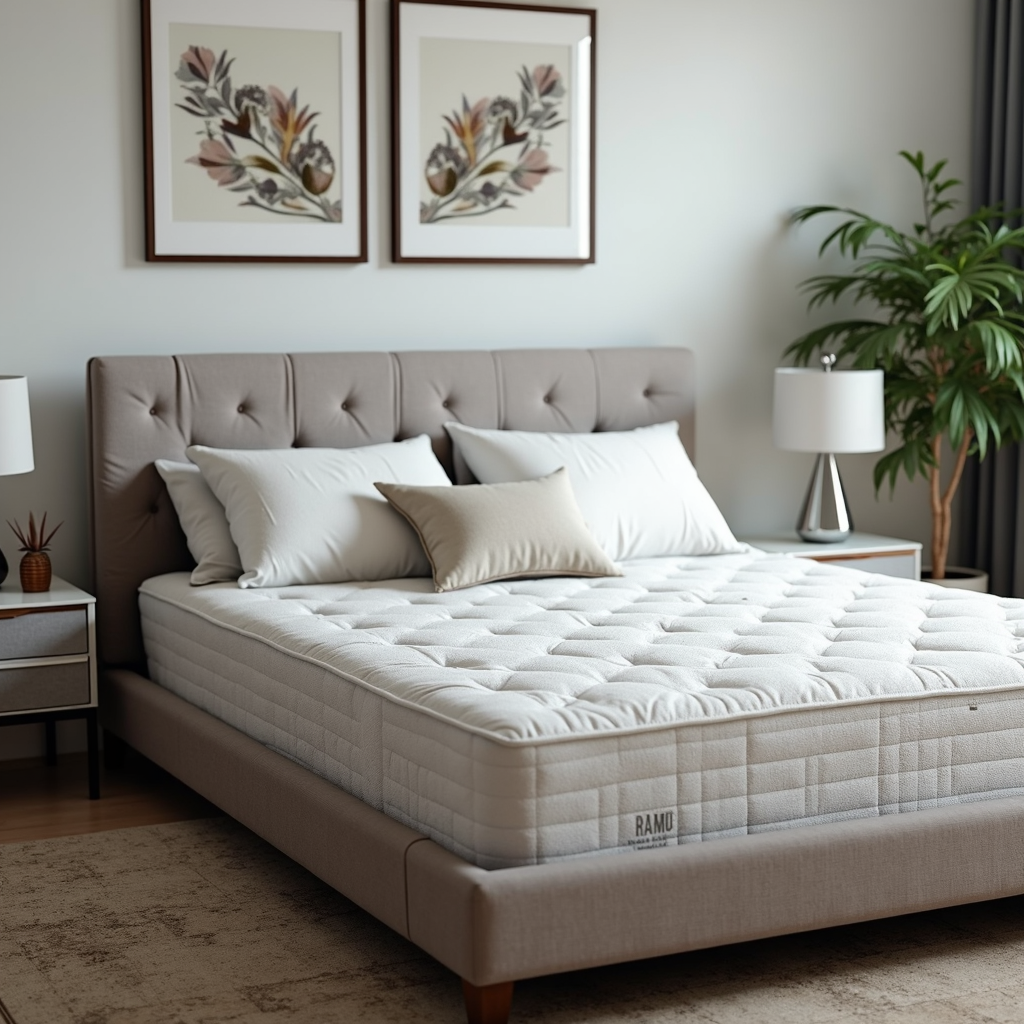
Decoding Your Sleep Science: Choosing the Right Mattress for Your Body
One of the biggest misconceptions about mattresses is that "the best" one simply exists and you just have to buy it. In reality, a truly great mattress is highly personalized, much like a perfect pair of shoes. Before diving into the latest deals at Walmart, the single most valuable thing you can do is understand the mechanics of sleep science—specifically, how your body rests and what kind of support it needs. A "deal" is only valuable if the product genuinely meets your specific sleep needs.
Sleep Position and Ideal Support: Finding Your Match
Your primary sleep position (side, back, or stomach) dictates what kind of support surface will keep your spine aligned and minimize pressure points. Think of your mattress as an invisible chiropractor for your nightly rest.
- Side Sleepers: When you sleep on your side, your shoulders and hips bear the most weight. For optimal spinal alignment, you need a mattress that is highly cushioned and conforming. Memory foam and hybrid options are excellent choices because they create a supportive "hug" around your joints, taking pressure off the hips and shoulders. Too firm, and you will wake up with aches.
- Back Sleepers: This is the easiest position to keep aligned, but the goal is to maintain the natural, slight curve of the lumbar spine. You need a balance of support and cushion. Medium-firm mattresses, which offer targeted pressure relief without sinking too much, are generally recommended.
- Stomach Sleepers: This is the most difficult position for spinal alignment, as it forces the pelvis and lower back into an unnatural curve. Because your hips tend to sink, you require a firmer surface to prevent excessive lumbar arching. Innerspring or firm hybrid models usually provide the consistent resistance needed.
Understanding the Core Materials: Science Behind the Sleep
Mattresses are built using various materials, each affecting firmness, cooling, and durability differently. Understanding these materials is crucial for maximizing your investment, regardless of where you purchase the mattress.
Memory Foam: This material is famous for its contouring ability. It reacts to body heat and pressure, molding itself around your body's curves. This contouring feature is fantastic for those with chronic joint pain or who are side sleepers, as it evenly distributes weight and minimizes pressure points. However, some people report that memory foam can trap heat, so look for versions infused with cooling gel or copper for better breathability.
Innerspring (Coils): These traditional mattresses use interlocking steel or continuous coil systems. Their defining characteristic is *support* and *bounce*. They provide a very responsive, non-conforming feel, making them popular with stomach sleepers who need resistance. Modern innersprings have improved dramatically, offering superior durability and often being paired with foam comfort layers to mitigate the "bouncy" sensation of older models.
Latex: Made from natural or synthetic rubber, latex is highly resilient. It offers a natural blend of support (like coils) and cushion (like foam). It is often cited as being more breathable and durable than memory foam, and it tends to resist common allergens, making it an excellent choice for individuals with sensitivities. Furthermore, studies published in 2026 suggest increasing consumer preference for hypoallergenic materials like natural latex. (Source: *Journal of Sleep Research, 2026 Trends*).
Decoding the "Deal": What to Look For Beyond the Sticker Price
When you see a headline like "Walmart Mattress Deals," the temptation is to focus solely on the dramatic discount. However, the true value of a "deal" isn't just the low initial cost; it's the totality of the purchase, including the trial period, warranty coverage, and perceived quality of the components. A deal must still provide expert-level sleep support.
The Crucial Importance of Trial Periods and Warranties
Sleeping on a new mattress is a profound physiological adjustment. It takes weeks—sometimes months—for your body, back, and hips to adapt to a new level of support. Therefore, any purchase, even the most affordable one, should come with a robust trial period. A reputable retailer will offer a trial period (often 90 to 120 nights) where you can test the mattress in your actual home environment without financial penalty.
Furthermore, look closely at the warranty. A strong warranty doesn't just cover holes or tears; it often includes comfort guarantees or replacement policies if the mattress fails to provide satisfactory support over a set period. Always compare the length and scope of the warranty, as this determines the long-term value of the "deal."
The Hidden Costs: Setup, Sizes, and Customization
Be wary of focusing only on the advertised price of the mattress itself. Several factors can add significant costs that erode the value of the deal:
- Mattress Topper/Protector: While not required, a high-quality waterproof protector is essential for longevity. These costs should be factored into your overall budget.
- Foundation and Bed Frame: A good mattress cannot compensate for a poor foundation. Ensure that whatever bed frame you use is designed to support the weight and shape of your mattress type.
- Mattress Skirt/Hardware: Measure twice. Sizes can be tricky, and ensuring the frame and mattress fit perfectly prevents gaps and maximizes the lifespan of the material.
Building the Perfect Mattress Investment: Longevity and Care
Purchasing a mattress is not just a single transaction; it is a commitment to your daily well-being. Treating the mattress as a long-term investment requires proper care and understanding of its lifespan.
Understanding the Firmness Scale: A Subjective Guide
Mattress firmness is often measured on a scale of 1 to 10 (1 being softest, 10 being hardest). Because the "perfect" firmness is entirely subjective and depends on body weight, underlying joint health, and personal preference, it is best to approach the scale with caution.
Actionable Tip: Instead of asking, "How firm is this?", ask, "When I am side-sleeping/back-sleeping, do I feel pressure points accumulating on my shoulders and hips?" This shifts the focus from a number to the practical, real-world application of support.
Maximizing Longevity: Care and Maintenance
To ensure your mattress investment lasts for its intended life (typically 8–12 years), simple maintenance habits can make a difference:
- Rotate and Flip: Follow the manufacturer's recommendations for turning and flipping. This evenly distributes wear and tear across the entire surface.
- Clean Regularly: Use a vacuum attachment specifically designed for bedding. Dust mites and pet allergens accumulate over time and can negatively impact air quality and sleep quality.
- Monitor Sleep Patterns: If you notice consistent, escalating aches and pains, or if you are frequently waking up feeling unrefreshed, it is a signal that your supportive needs may have changed, and a professional assessment (or a change of mattress) may be warranted.
The market for sleep products is constantly evolving, integrating technologies like advanced cooling matrices and adaptive support systems. By educating yourself first—understanding the physics of your sleep, comparing materials, and setting realistic expectations for firmness—you can walk into the store (or click the ad) empowered to make a purchase that genuinely enhances your quality of life, making even the most affordable "deal" an excellent, necessary investment.