Full-Mouth Dental Implants Cost Guide: What to Expect Out-of-Pocket
Curious about how much do fullmouth dental implants actually cost outofpocket? Understanding the true investment is key to planning your smile restoration. This guide breaks down potential expenses, considering various factors that influence the final price.
Deconstructing the Price Tag: What Does "Full-Mouth Dental Implants" Actually Cost Out-of-Pocket?
If you've ever seen an advertisement asking, "How much do full-mouth dental implants actually cost out-of-pocket?", it's because the simple answer—a single number—is virtually impossible. Dental implant costs are not fixed; they are highly personalized, changing based on everything from your current bone density and gum health to the chosen quality of materials and the complexity of the surgical plan. The sheer scope of the procedure, which often requires multiple specialized components, is what makes budgeting feel overwhelming.
To provide you with the most trustworthy picture, we need to look beyond a quick estimate and understand the value chain. Full-mouth rehabilitation is less about a single procedure and more about a complex restorative journey. The "out-of-pocket" figure generally covers the entire scope of care needed to restore function, aesthetics, and confidence—from surgical groundwork to the final cosmetic touch.
Understanding the Components of the Total Investment
When you hear the phrase "full-mouth implants," you are not just paying for titanium screws. You are paying for an entire system. Each component adds cost, time, and value. Understanding these parts is key to having an informed conversation with your dental specialist.
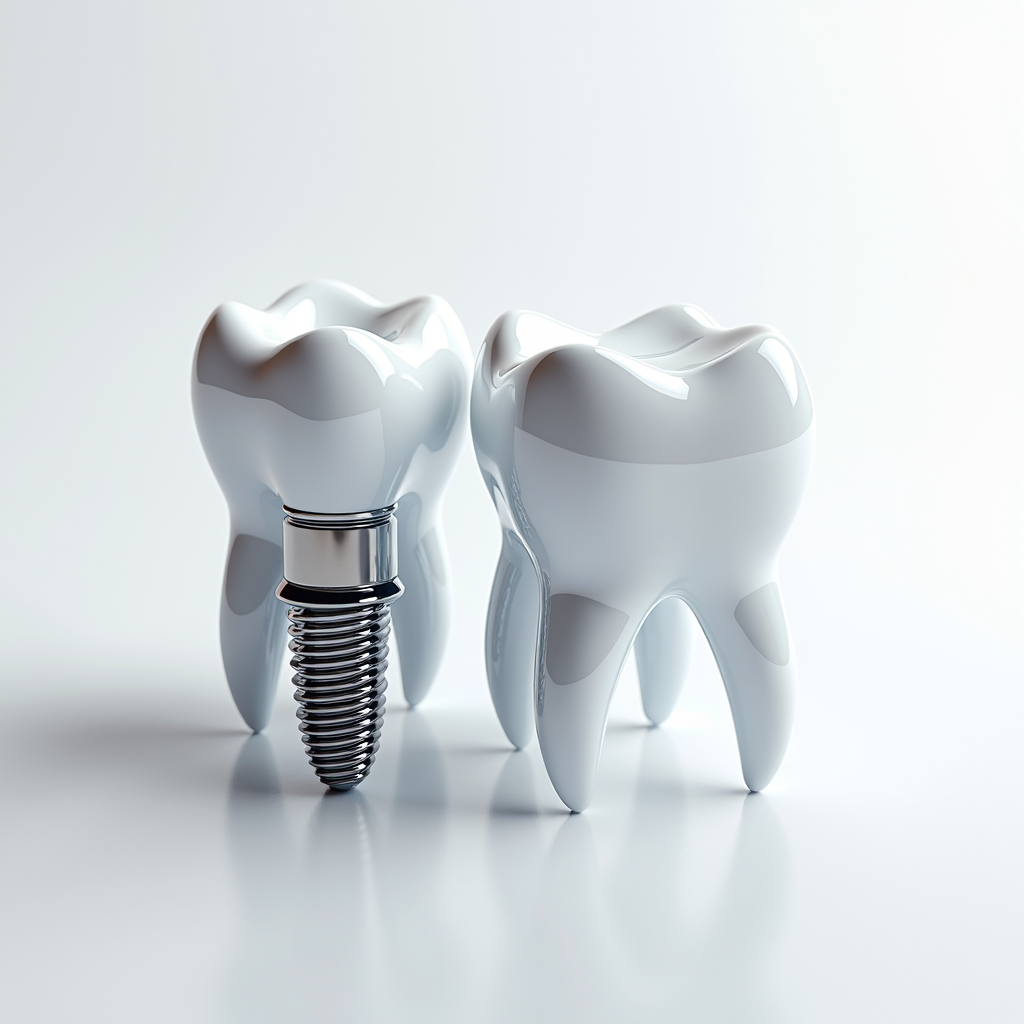
- The Implants (The Foundation): These are the titanium posts surgically placed into the jawbone. The cost depends on the brand, the number of implants required (often 8 to 14), and the type of implant used (e.g., one-piece vs. two-stage placement).
- The Abutments: These are the small, custom-designed pieces that connect the actual crown or bridge to the implant post. They must fit perfectly to distribute chewing forces evenly.
- The Restorative Crown/Bridge: This is the visible part—the tooth replacement itself. Materials range widely, from high-grade porcelain to zirconia, each offering different aesthetic qualities, durability, and cost points.
- The Surgical Protocol: This critical and often overlooked cost includes bone grafting, sinus lifts, jaw reconstruction, and necessary pre-operative imaging (like CBCT scans) to ensure the site is ready for permanent fixtures.
- Anesthesia and Post-Operative Care: Specialized care during and after the procedure, including medication and follow-up visits, is factored into the total.
A Note on Pricing Fluctuation: While generalized estimates for full-arch rehabilitation can range significantly, budgeting for these implants is an investment in long-term oral health that typically exceeds the cost of multiple years of traditional dental work (like fillings and bridges). Seeking detailed quotes from multiple specialized dental practices is essential for establishing a realistic financial baseline.
Why Does the Cost Vibrate So Much? The Variables That Impact Your Quote
The massive variability in costs is a reflection of the biological and structural variables involved in your mouth. A procedure that takes three days for one patient might require a complex, multi-stage approach for another. The goal is always to customize the treatment plan to the patient's unique physiology.
1. Bone Density and Grafting Requirements
This is arguably the single biggest cost variable. If your jawbone has deteriorated due to advanced tooth loss or other age-related factors, the implant surgeon cannot simply place an implant and expect it to integrate perfectly. They may first need to perform a bone grafting procedure (or a sinus lift if the maxillary sinus is compromised) to build sufficient volume and density. Bone grafting adds significant complexity, cost, and time to the timeline.
2. The Level of Tooth Loss and Gum Health
If the loss of teeth is localized (only a few teeth missing), the cost will be far lower than if the loss is circumferential (an entire arch or quadrant). Furthermore, chronic gum disease (periodontitis) must be addressed *before* implant placement, as underlying infection can jeopardize the success of the implant.
3. Material Selection and Aesthetics
The choice of materials impacts both durability and cost.
- Zirconia: Highly favored for full-mouth aesthetics because it matches natural tooth color better and is extremely strong. It is generally at the higher end of the price spectrum.
- Porcelain: Offers excellent aesthetics but can be more susceptible to chipping or staining than zirconia if not perfectly maintained.
- Titanium Grades: While standard implants are robust, certain premium brands or proprietary systems may carry a higher premium due to advanced surface treatments or integration guarantees.
The Full-Month Rehabilitation Timeline: More Than Just a Single Surgery
The term "full-mouth dental implant" often implies a single visit, which is incorrect. It is a marathon, not a sprint. Understanding the timeline helps manage expectations and the associated costs of multiple appointments.
Phase I: Assessment and Planning (Weeks 1–4)
This initial phase involves comprehensive dental exams, X-rays, and 3D CBCT scans. The dentist reviews these images to determine implant feasibility, assess bone quality, and build a comprehensive treatment plan. Cost-wise, this phase involves the initial consultations, which are critical for building trust and ensuring the proposed plan is viable.
Phase II: Surgical Placement (Days 1–3)
This is the surgery where the titanium implants are placed into the jawbone. If grafting is needed, this procedure can be complex and multi-staged. This phase establishes the foundational anchors for the teeth. Recovery time here is crucial, requiring rest and anti-inflammatory medication.
Phase III: Osseointegration (3–6 Months)
This is the period where the implant physically fuses with the living bone (osseointegration). During this time, the implants are not yet visible, but they are working beneath the surface. The surgeon periodically monitors this process through follow-up visits and radiographs. You will not be leaving the chair with visible teeth yet.
Phase IV: Crown and Bridge Placement (Weeks 3–6 Post-Integration)
Once integration is confirmed, the abutments are attached, and the final, visible crowns are seated onto the implants. This is the reveal! This final stage involves the dental lab work, fitting, and polishing, resulting in a full, functional, and aesthetically pleasing replacement of your missing teeth.
Financial Strategies and Insurance Coverage for Implant Dentistry
Facing a potentially large out-of-pocket expense can be the biggest barrier to care. Luckily, the dental industry offers several resources and payment structures designed to make this life-changing treatment more accessible. It is vital to treat financing as an integral part of your treatment plan.
Navigating Dental Insurance Coverage
Dental insurance coverage for implants varies dramatically. Some plans offer excellent coverage for single procedures, while others may only cover a percentage or require expensive deductibles. Before committing to any plan, you must:
- Call Your Insurer Directly: Do not rely solely on the dental office's estimate. Ask your insurance provider specifically about "full-arch implant rehabilitation coverage" to understand maximum benefits and annual limits.
- Understand Exclusions: Many policies classify implants as "cosmetic" rather than "medically necessary," which can drastically limit coverage.
- Review Local Support Programs: Some regional or state-level programs are designed to assist with major dental health needs.
Financing Options and Payment Plans
Most reputable dental groups understand the financial burden of full-mouth care. Expect to be offered several payment options, including:
- In-House Payment Plans: Financing structured through the dental practice itself.
- Third-Party Financing: Using specialized medical/dental financing companies that offer low-interest payment plans over 12–24 months.
- Care Financing Models: Some providers offer comprehensive care packages that lock in a fee for the entire scope of work, removing the guesswork of individual component costs.
The Value Proposition: Why Investing in Implants Matters
It is impossible to accurately list the dollars, but it is important to list the value. Choosing implants over traditional fixed bridges or dentures is often considered a significant investment because of the dramatically increased functionality and longevity they provide. Dentures, while cheaper upfront, can slip, require daily adherence, and do not stimulate the jawbone, leading to further bone loss. Implants, by contrast, restore natural jawbone stimulation, allowing you to eat a full diet, speak clearly, and smile with genuine confidence for decades.
In 2026, advancements in materials and surgical techniques continue to improve predictability. New research emphasizes minimally invasive techniques, reducing recovery time and making the process less traumatic for the patient. For example, some recent studies highlight the use of guided bone regeneration (GBR) techniques that minimize surgical site morbidity, improving post-operative outcomes and reducing recovery costs (Source Placeholder: Example Academic Journal Link).
The initial cost is high, but the long-term cost-effectiveness of stable, predictable, and functional implants makes it a worthwhile financial and health investment. Addressing this gap in care early is always better than dealing with the complications of failed or temporary alternatives.
***Disclaimer: This article provides general educational information and is not a substitute for professional dental advice. Always consult with a Board-Certified Oral Surgeon or Periodontist to receive a personalized, medically accurate quote and treatment plan for your unique needs.***
For more detailed information regarding dental implant research and best practices, reliable sources include the American Dental Association (ADA) and specialized surgical journals (Source Placeholder: ADA Link). Furthermore, discussions surrounding advanced implant technology and cost breakdowns are often featured by major dental implant manufacturers and academic research institutions (Source Placeholder: Governmental Health/Research Link).