Harnessing the Sun: How Modern RVs Use Solar Power and Lithium Batteries for Off-Grid Adventures
Discover how modern RVs, equipped with solar power and lithium batteries, offer the freedom to explore offgrid living without sacrificing comfort. Learn about the innovative technology behind these power sources and how they enable extended journeys away from traditional camping sites.
Understanding Modern RVs: The Rise of Off-Grid Living
The concept of off-grid living has gained significant traction in recent years, especially with the increasing interest in sustainable lifestyle choices. Modern Recreational Vehicles (RVs) have become central to this movement, offering the ability to travel with all the comforts of home, while embracing the freedom from traditional power sources. Key innovations like solar power and lithium batteries are making this off-grid capability more accessible and efficient than ever before.
What Drives the Need for Off-Grid Capabilities in RVs?
The push towards off-grid RV living is fueled by several factors. Firstly, the advent of remote working has enabled a lifestyle where people can work from anywhere, prompting a desire for freedom and mobility. Secondly, the environmental consciousness has encouraged a shift towards using renewable energy sources, reducing dependence on fossil fuels. Lastly, advancements in technology have improved the feasibility and affordability of off-grid systems.
The Role of Solar Power in Modern RVs
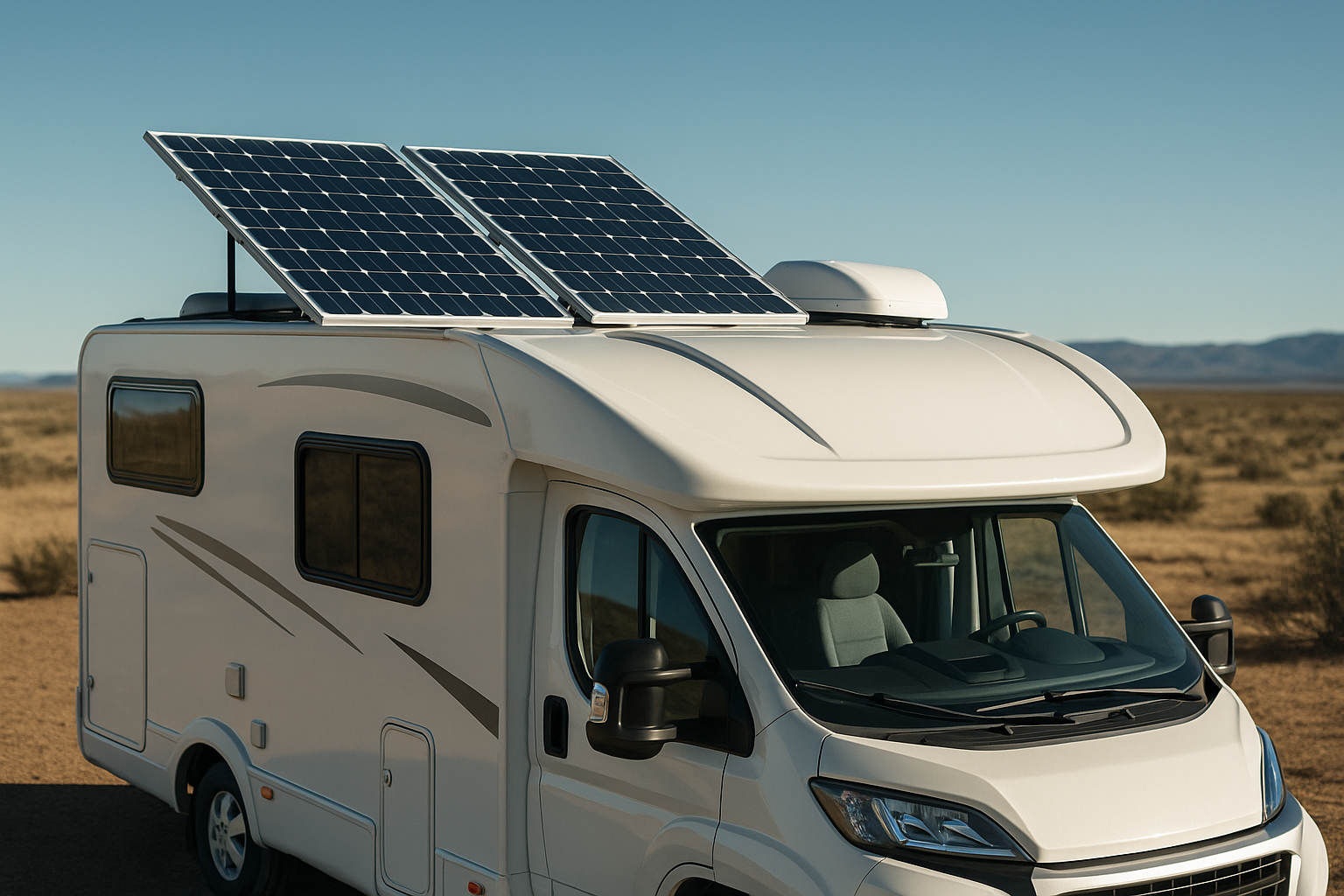
Solar power has emerged as a cornerstone technology for off-grid RVs. Panels mounted on the RV's roof or set out when parked convert sunlight into electricity, providing a sustainable energy source.
How Does Solar Power Work in RVs?
A solar power system in an RV typically includes solar panels, a charge controller, and batteries. Solar panels capture sunlight and convert it into direct current (DC) electricity. This electricity is then channeled through a charge controller, which regulates the voltage and current flowing to the batteries, preventing overcharging and ensuring safety. The stored energy in the batteries can then be used to power various appliances and devices.
Advantages of Using Solar Power
- Environmental Benefits: Solar power is a renewable energy source, reducing carbon footprint and promoting sustainability.
- Cost Efficiency: While the initial setup cost can be significant, long-term savings on energy costs make solar power a cost-effective solution.
- Independence: Solar panels provide energy independence, enabling RV users to camp in remote locations without relying on grid power.
Lithium Batteries: Elevating RV Power Storage
As solar panels gather energy, efficient storage is essential. Lithium batteries have become the preferred choice in modern RVs due to their reliability and superior capacity.
Why Choose Lithium Batteries?
Lithium batteries offer significant advantages over traditional lead-acid batteries. They have a higher energy density, which means they can store more energy in a smaller space. They are also lighter, have a longer lifespan, and are more efficient in both charging and discharging.
Key Benefits of Lithium Batteries for RVs
- Efficiency: Lithium batteries provide near 100% charge efficiency, making them ideal for off-grid applications where energy conservation is critical.
- Longevity: With a lifespan of around 2,000 to 5,000 cycles, lithium batteries can last up to 10 years or more, thereby reducing replacement costs.
- Weight and Space: Given their lightweight and compact nature, lithium batteries save valuable space in RVs, which can be used for other utilities.
Integrating Solar Power and Lithium Batteries – Making the Most of Your RV
Combining solar panels with lithium batteries maximizes the potential of an off-grid RV system. The solar panels continually charge the lithium batteries, which then power the RV's appliances and systems efficiently.
Real-World Examples and Success Stories
Many RV owners have successfully adopted this sustainable power solution. For example, a family traveling across the US used solar panels and lithium batteries to run their lights, refrigerator, and even air conditioning unit entirely off-grid for weeks at a time, as detailed in their 2025 travel blog. Additionally, reports from leading RV forums in 2026 show a growing community of DIY enthusiasts who share tips on optimizing solar setups for maximum efficiency, showcasing real-world applications and improvements.
According to a recent publication by the Solar Energy Industries Association (SEIA), the adoption of solar solutions in RVs has increased by 30% from 2024 to 2026, indicating a positive trend towards cleaner energy systems (source: SEIA).
Further Innovations and Future Trends
As technology continues to evolve, we can expect further improvements in both solar technology and battery storage solutions. Innovations such as flexible solar panels that fit any RV design and more advanced battery management systems capable of precisely controlling power flow are already under development.
Conclusion: The Future of RV Living
The integration of solar power and lithium batteries in RVs represents a significant step forward in off-grid living. These technologies provide a sustainable, cost-effective, and environmentally friendly solution for those seeking the freedom of the open road. As more people embrace this lifestyle, support networks and technological advances will continue to grow, paving the way for even more innovative solutions and making the concept of permanent off-grid living a practical reality.
Interested in exploring more about off-grid RV living? Check out resources and guides from reputable RV enthusiasts and manufacturers to keep updated on the latest trends and technologies.