Healthy and Delicious Snack Options for People Living with COPD
Explore a delightful variety of snacks people with COPD can enjoy without compromising taste or nutrition. Managing diet is crucial for those with COPD, and snacking wisely can offer both enjoyment and improved well-being.
Understanding COPD and Dietary Needs
Chronic Obstructive Pulmonary Disease (COPD) is a progressive lung disease that makes it difficult to breathe. It affects millions of people worldwide and managing it requires a comprehensive approach, including dietary considerations. A balanced diet can help maintain muscle strength, boost the immune system, and improve energy levels. Eating the right snacks is crucial for people with COPD, as they can influence energy levels and overall health.
Why Diet Matters in COPD
For individuals with COPD, every calorie counts, not just for maintaining a healthy weight but for providing the necessary energy to breathe. Breathing requires more energy for people with COPD, making calorie-dense and nutritious snacks essential. Poor nutrition can lead to decreased respiratory muscle strength, which may exacerbate symptoms. Furthermore, a healthy diet supports the immune system and helps in reducing the risk of infections.
Snacks That Are Beneficial for COPD
Choosing the right snacks can make a significant difference in managing COPD symptoms and overall health. The following snacks are recommended for people with COPD:
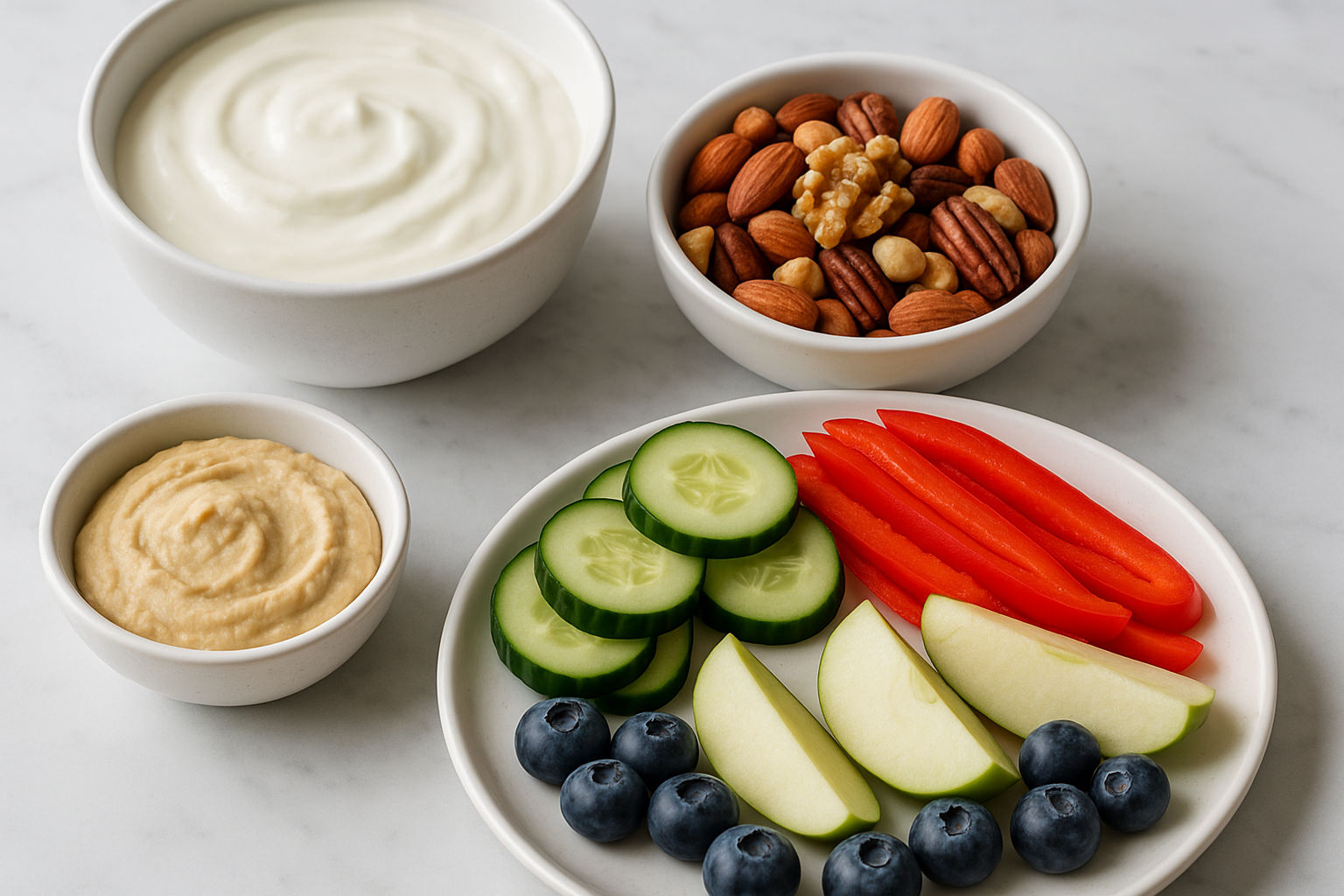
- Nuts and Seeds: These are excellent sources of protein and healthy fats. Almonds, walnuts, and sunflower seeds provide energy and nutrients without requiring a large amount of space in the stomach, making breathing easier.
- Fruits and Vegetables: Opt for fresh or frozen options like berries, apples, and carrots. These foods are packed with vitamins, minerals, and antioxidants that help in reducing inflammation.
- Greek Yogurt: Rich in protein and probiotics, Greek yogurt helps support the gut and offers a healthy dose of calcium and other essential nutrients.
- Cottage Cheese with Fruit: Combining cottage cheese with fruits like peaches or berries can provide a balanced snack with an excellent source of protein and vitamins.
- Whole Grain Crackers with Hummus: Whole grains and legumes provide fiber and nutrients, supporting digestive health and energy levels.
Considerations for Snack Choices
Caloric and Nutrient Density
People with COPD need energy-dense snacks that do not compromise nutritional value. Foods that are high in both calories and nutrients, such as whole grains, nuts, and dairy products, are ideal. This density helps in sustaining energy levels, crucial for managing COPD effectively.
Portion Control and Frequency
Eating smaller, more frequent meals and snacks can prevent the feeling of being overly full, which can make breathing uncomfortable. It is recommended to have 5 to 6 small meals and snacks spread throughout the day. This routine helps in maintaining energy levels and reducing respiratory discomfort.
Avoiding Certain Food Types
Some foods can exacerbate COPD symptoms or contribute to poor health outcomes. Here are some to avoid:
- High Sodium Foods: Excess sodium can lead to fluid retention, making breathing more difficult. Choose low-sodium options whenever possible.
- Processed Foods: These often contain preservatives and additives that can exacerbate inflammation.
- Sugar-Laden Snacks: Excess sugar can lead to energy spikes and crashes, disrupting energy balance and making it harder to manage symptoms.
Real-World Examples and Anecdotes
John, a 68-year-old COPD patient, found that incorporating snacks like almonds and Greek yogurt into his diet significantly improved his energy levels. He noticed fewer incidents of breathlessness and a marked improvement in his general well-being. On the contrary, Mary, who continued consuming high-sodium ready meals, experienced increased fluid retention, making her condition more challenging to manage.
Research and Statistics from 2026
Recent research from the Global Initiative for Chronic Obstructive Lung Disease (GOLD) emphasizes the importance of nutritional management in COPD. A 2026 study published in the Journal of COPD found that patients with optimized nutrition plans showed a 25% improvement in their quality of life metrics compared to those who did not focus on dietary management.
Additionally, the National Institutes of Health (NIH) released findings showcasing that a diet rich in fruits, nuts, and lean proteins can significantly reduce inflammation and enhance respiratory function in COPD patients (NIH 2026 Study).
Conclusion and Key Takeaways
Managing COPD effectively requires a multi-faceted approach, with dietary management playing a crucial role. By choosing snacks that are nutritious and energy-dense, individuals with COPD can significantly improve their quality of life. Consult with healthcare providers to tailor a diet plan that meets specific needs and enhances everyday living.
Reference
https://www.lung.org/blog/copd-and-nutrition