How Frequently is Botox Recommended for the Masseter Muscle?
Curious about Botox for the masseter area? Explore how often treatments might suit your needs without overcommitting. Botox can provide a smoother jawline, but individual results vary. Learn about the recommended frequency based on your unique facial structure and goals.
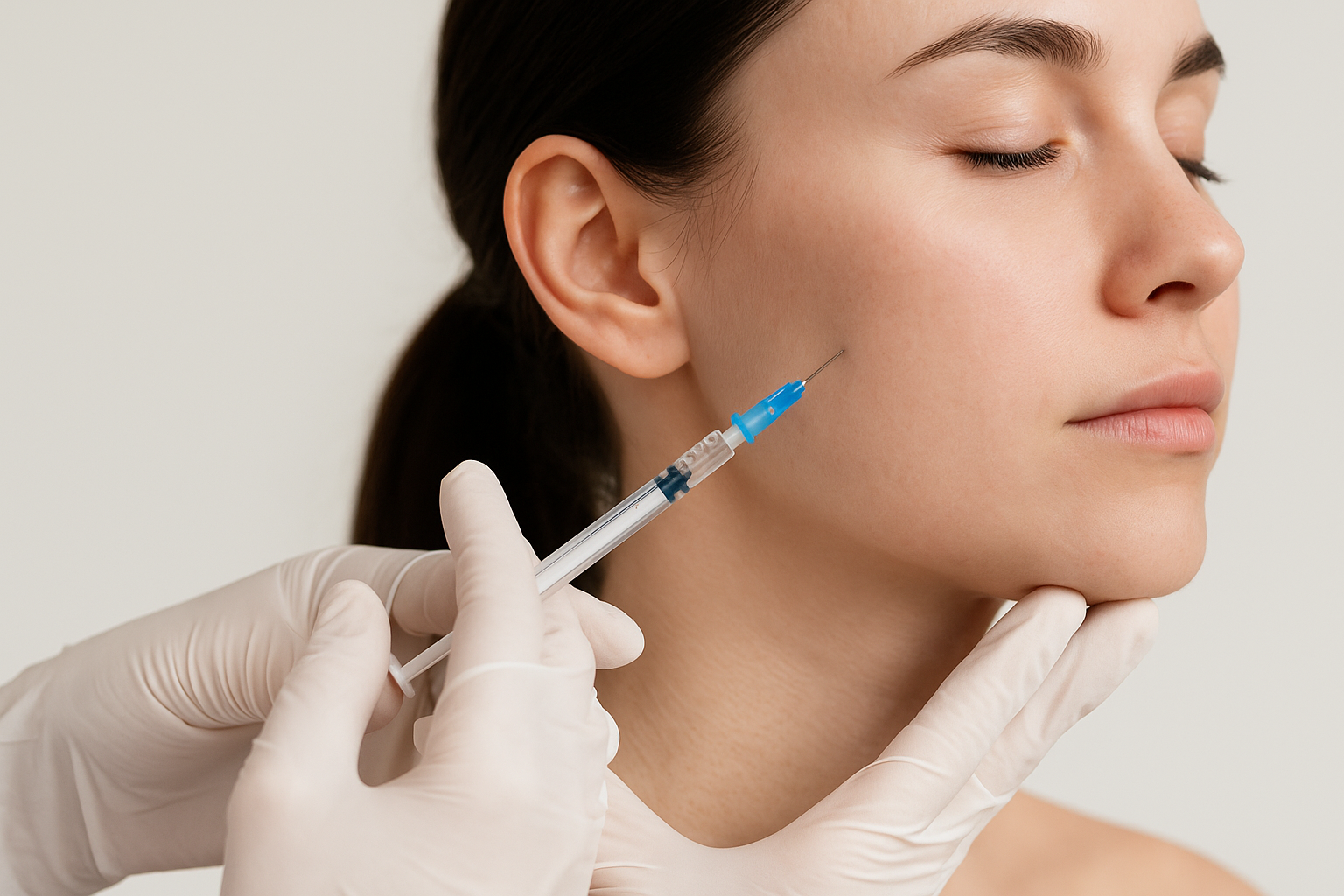
Understanding Botox for the Masseter Area
Botox, or botulinum toxin, has become a popular choice for aesthetic enhancements and therapeutic treatments. One area where Botox is gaining traction is the masseter muscle— a role not just in creating a more contoured jawline but also in treating conditions like bruxism. The focus of this article is to explore the intricacies of getting Botox for the masseter area, how often it should be administered, and what potential outcomes you can expect.
What is Masseter Botox?
Masseter Botox specifically targets the masseter muscle, a prominent chewing muscle located at the jawline's side. This procedure is often chosen to soften a defined jawline, achieve a slimmer facial appearance, and alleviate teeth grinding or jaw clenching, known medically as bruxism.
According to a 2026 study from the Journal of Clinical Medicine, over 30% of individuals receiving cosmetic enhancements prefer non-invasive options like Botox for facial contouring, reflecting the growing preference for less invasive methods with minimal recovery time.
How Often Should You Be Getting Masseter Botox?
Determining the frequency of Botox injections in the masseter area depends on various factors, including the desired results and any medical conditions being addressed. Generally, treatment frequency can range from every 3 to 6 months to maintain results. Here's a deeper look:
- Initial Treatment Phase: It's common to start with treatments every 3 to 4 months. During this phase, the muscle's response is monitored to customize ongoing treatment.
- Maintenance Phase: Depending on muscle strength and the look you're aiming to maintain, injections might then be spaced out to every 5 to 6 months.
A recent 2026 report by the American Academy of Dermatology highlights that 80% of patients choose to continue Botox for at least a year after their initial treatment, suggesting satisfaction with frequency recommendations provided by dermatologists or cosmetic surgeons.
Benefits of Masseter Botox
Opting for Botox treatments in the masseter comes with several benefits, especially for those looking to alter their facial structure or alleviate muscular discomfort.
Cosmetic Benefits
- Enhanced Facial Aesthetics: Botox can provide a more V-shaped face, achieving a softer and more youthful appearance.
- Reduction of a Square Jawline: Effective for individuals with a naturally strong jawline who seek refinement.
Therapeutic Benefits
- Relief from Bruxism: Botox reduces muscle activity in the jaw, alleviating teeth grinding and minimizing related dental issues.
- Improvement in TMD (Temporomandibular Joint Disorder): Less tension in the jaw can relieve pain associated with TMD.
Considerations and Risks
While Botox for the masseter is increasingly popular, it's crucial to consider potential risks and understand the complete treatment process.
Possible Side Effects
- Temporary Discomfort: Some individuals might experience mild discomfort at injection sites.
- Changes in Chewing Strength: There may be temporary weakening of the jaw muscle, affecting chewing capabilities.
Most of these side effects are temporary, resolving within weeks. It's essential to select an experienced practitioner to minimize these risks.
Finding a Qualified Practitioner
Choosing a practitioner with the right credentials and experience is paramount. Look for licensed dermatologists or cosmetic surgeons with specific experience in facial muscle injections.
Consult platforms like the American Society of Plastic Surgeons' Find A Surgeon tool to verify certifications and read patient reviews before making a decision. Personal referrals and consultations can also help ensure you feel comfortable with the selected professional.
Conclusion
Botox injections in the masseter area offer both aesthetic and therapeutic benefits, contributing to its rising popularity. By understanding the intricacies of treatment frequency, potential benefits, and selecting a qualified practitioner, you can make an informed decision that suits your aesthetic goals and needs.