How Much Does Charging Your Electric Car Really Cost Per Hour?
Discover how the hourly charging price for an electric car can vary based on location, time of day, and electricity rates. Understanding the hourly charging price for an electric car helps you budget more effectively and take advantage of lowcost charging periods.
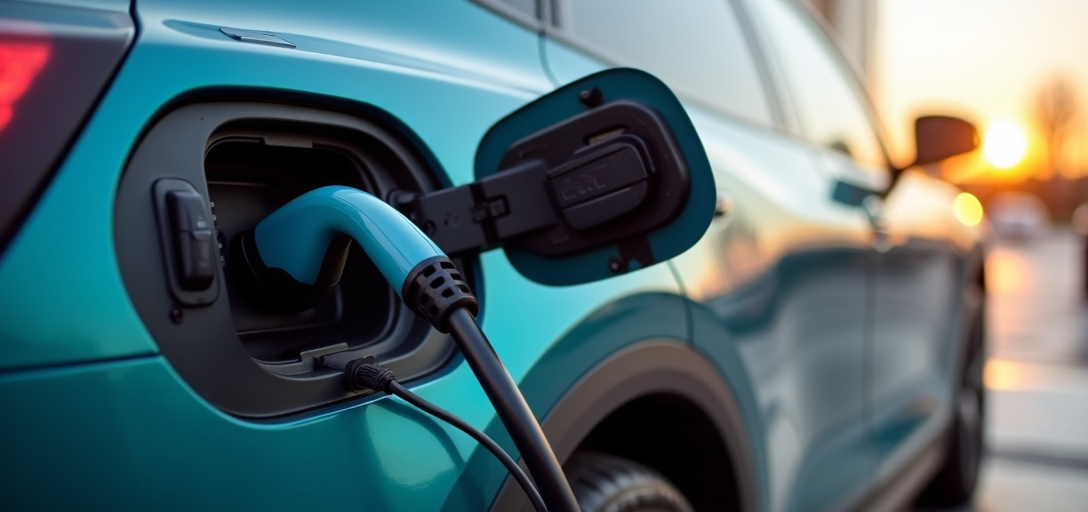
Understanding Electric Car Charging Costs
As electric vehicles (EVs) become increasingly popular, many people are curious about the cost of charging an electric car. Specifically, what is the hourly charging price, and how does it compare to traditional gasoline costs? Whether you're a current EV owner or considering making the switch, understanding these aspects can help you make informed decisions about your transportation budget.
Factors Influencing Electric Car Charging Costs
There are several factors that can influence the cost of charging an electric car on an hourly basis. These include:
- Electricity Rates: The cost of electricity can vary widely across different regions in the United States, typically measured in cents per kilowatt-hour (kWh). According to the U.S. Energy Information Administration, the national average residential electricity rate in 2026 is approximately 13.37 cents per kWh. However, this rate can be higher or lower depending on the state or utility provider.
- Charging Level: The speed of charging (Level 1, Level 2, or Direct Current Fast Charging) affects how quickly a vehicle can be charged and the cost incurred. Level 1 charging is slower and generally less expensive than faster Level 2 or DC fast charging.
- EV Battery Capacity: Electric vehicles have varying battery capacities, which means they can hold different amounts of energy. For example, a Tesla Model 3 Standard Range has a battery capacity of about 50 kWh, while larger models might have over 100 kWh.
- Charging Time: Even though the hourly rate can be constant, the total cost will depend on how long you charge your car. The longer it stays plugged in, the more it could cost.
Calculating the Hourly Charging Price
To calculate the hourly charging price of an electric car, you need to understand the charging speed, which is typically measured in kilometers per hour (kW) that your vehicle can accept, and the local electricity rate. Here’s a simple formula:
Hourly Charging Price = Charging Power (kW) x Electricity Rate (cents per kWh) / 100
Let's take an example of charging a Nissan Leaf, which accepts a charging power of 6.6 kW using a Level 2 charger. If you are in California where the average electricity cost is about 24.1 cents per kWh, the hourly charging cost would be:
Hourly Charging Price = 6.6 kW x 24.1 cents/kWh / 100 = $1.59 per hour.
Electric Car Charging Options
Home Charging
Charging your EV at home is the most convenient option for many drivers. Here, you particularly benefit from lower residential electricity rates. Installing a Level 2 home charger can cost anywhere from $500 to $1,500, depending on installation complexity. However, this initial investment can offer lower ongoing costs.
Public Charging
Public charging stations provide flexibility for those on the go. Networks such as ChargePoint or Electrify America offer stations with variable pricing, often influenced by peak and off-peak periods. A 2026 survey indicates that public charging costs can range from $0.20 to $0.45 per kWh depending on location and time of day.
Comparing Electric Charging Costs to Gasoline
When comparing to the cost of gasoline, charging an EV is often more economical. The average fuel efficiency for traditional vehicles in 2026 is about 25 miles per gallon, with gasoline prices fluctuating around $3.50 per gallon nationwide. In contrast, EVs, which average around 3-4 miles per kWh, offer substantial cost savings over time.
For instance, a typical EV might require about $8-$10 of electricity for 250 miles range, in comparison to spending approximately $35 in gasoline to travel the same distance.
Conclusion: Weighing the Benefits
The choice to switch to an electric vehicle involves considerations beyond just financial savings. Environmental benefits, reduced maintenance, and supporting sustainable energy transitions are also significant advantages. As electric vehicles continue to improve and become more accessible, understanding charging economics remains key for prospective consumers.
Electric vehicle charging infrastructure is rapidly expanding, with innovations reducing costs and increasing availability. For up-to-date information on electric vehicle charging infrastructure, you can visit resources like the U.S. Department of Energy's office on electric vehicles. For those considering switching to an electric vehicle, now’s an ideal time to embrace these innovations and make a positive impact.