How Private Renters Can Access Support for Home Energy Improvements in the UK
Are you a private renter in the UK wondering if you can improve your home's energy efficiency? Discover how private renters might access support for energy improvements, potentially reducing bills and enhancing comfort. Learn about available schemes and steps to explore for assistance.
Understanding Assistance for Private Renters in Energy Improvements
As energy costs continue to rise, many private renters in the UK are seeking ways to make their homes more energy-efficient. Questions often arise around whether tenants can obtain support for home energy improvements and, if so, what types of assistance are available. This guide aims to provide detailed information on this topic, helping renters understand their options and take meaningful steps towards reducing their energy consumption.
Why Home Energy Improvements Matter
Improving the energy efficiency of a home not only helps in reducing utility bills but also contributes to a more sustainable environment. For renters, this can also mean enhanced comfort during colder months and potentially retaining a higher property value for landlords. However, the challenge often lies in the perceived limitations for tenants to make changes to a rented property.
Can Private Renters Get Help With Energy Improvements?
Yes, private renters can access various forms of support for home energy improvements. Both government schemes and local authority programs are designed to assist renters. However, these programs often require cooperation between the tenant and their landlord since some improvements might involve structural changes to the property.
Government Schemes and Assistance
Several government-backed programs can support private renters with energy improvements. These initiatives help reduce carbon footprints and alleviate fuel poverty. Here are some key programs available as of 2026:
- Energy Company Obligation (ECO): This UK government energy efficiency scheme requires larger energy suppliers to help reduce home heating costs by implementing energy efficiency measures. This includes offering support for loft insulation, cavity wall insulation, and boiler upgrades. Renters with low incomes or those in vulnerable situations can qualify for this scheme. Learn more about ECO.
- Green Homes Grant: While the original scheme ended in 2021, the government has proposed new iterations focusing on innovative technologies such as heat pumps and solar panels. These grants may become available again for both homeowners and renters, depending on landlord consent. Stay tuned to official announcements for updates.
- Local Authority Delivery Scheme: This scheme allows local councils to fund energy improvements targeted towards the most vulnerable or fuel-poor households. Each council has different criteria, and interested renters should contact their local council for specific eligibility and application requirements. Find local resources here.
Tenant Responsibilities and Landlord Cooperation
To effectively implement energy improvements, cooperation is often required between tenants and landlords. Tenants should:
- Discuss potential improvements openly with their landlord, emphasizing mutual benefits such as increased property value and lower maintenance costs.
- Seek permission for any changes that might affect structural integrity or require alterations to fundamental systems like plumbing or wiring.
- Offer to handle the application process for grants and subsidies, reducing the workload for landlords.
Practical Energy Efficiency Improvements for Renters
While some improvements require landlord involvement, renters can undertake several independent actions to enhance energy efficiency in their homes:
Insulation and Draught Proofing
Ensuring that doors and windows are properly sealed can drastically reduce heat loss and improve comfort. Simple measures such as applying draught excluders and window film can make a significant difference.
Energy-efficient Appliances
Using energy-efficient light bulbs, which consume less electricity and have a longer lifespan than traditional bulbs, is one small change that greatly improves overall energy efficiency. Renting a property with efficient appliances is also beneficial.
Smart Home Technology
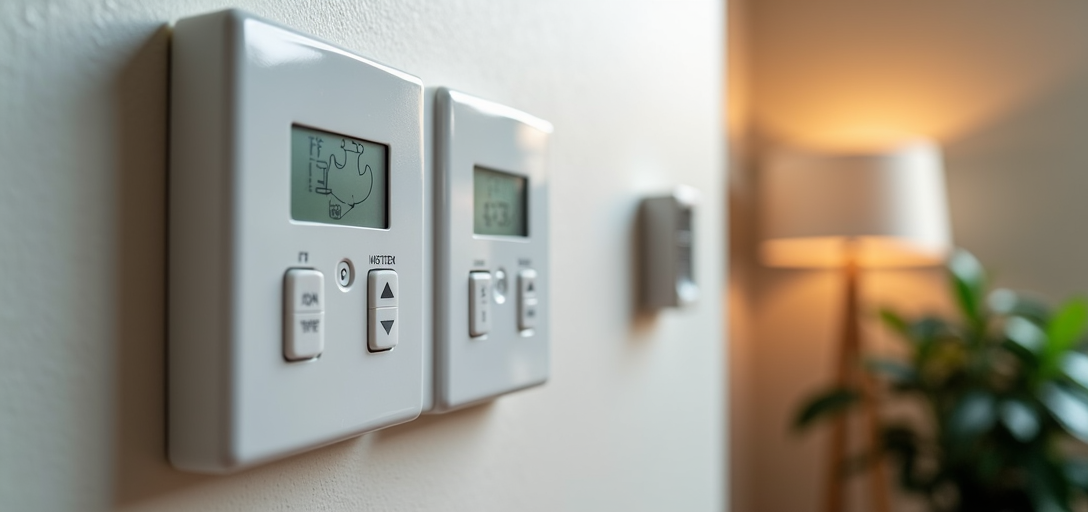
Investing in smart thermostats or energy monitors can help renters better understand their energy usage patterns and identify potential areas for savings. These devices do not require structural changes and can often be easily taken when moving properties.
Case Studies and Real-world Examples
Incorporating real-world examples helps illustrate the practical application of energy improvements:
Case Study: Emily from Manchester
Emily, a private renter in Manchester, secured her landlord's support to apply for the ECO scheme, which provided funding for loft insulation. Over the winter months, her energy bills reduced by 35%, and her landlord reported a higher level of tenant satisfaction.
Case Study: The Leeds Green Initiative
The Leeds City Council initiated a project that facilitated collaboration between landlords and tenants to improve energy efficiency. By engaging with the Local Authority Delivery Scheme, several rental properties underwent insulation upgrades, benefiting both the environment and the tenants' energy costs.
Conclusion: Steps to Take Towards Energy Efficiency
For private renters in the UK, the journey towards better energy efficiency is multifaceted, involving both awareness and action. By taking advantage of available schemes, improving communication with landlords, and committing to small yet effective changes, renters can enjoy comfortable living conditions while contributing positively to the environment.
Stay informed with credible sources, and explore resources to make well-informed decisions regarding home energy improvements. The combination of local initiatives and global efforts to reduce energy consumption is paving the way to a more sustainable future.