How the Recent Drop in Oil Prices to Below $95 Might Impact Your Heating Costs
Wondering how oil prices impact your heating costs? With oil just dropping below $95, there could be potential changes ahead for your heating bills. While it's too soon to predict exact outcomes, understanding market trends can help you anticipate shifts in energy expenses.
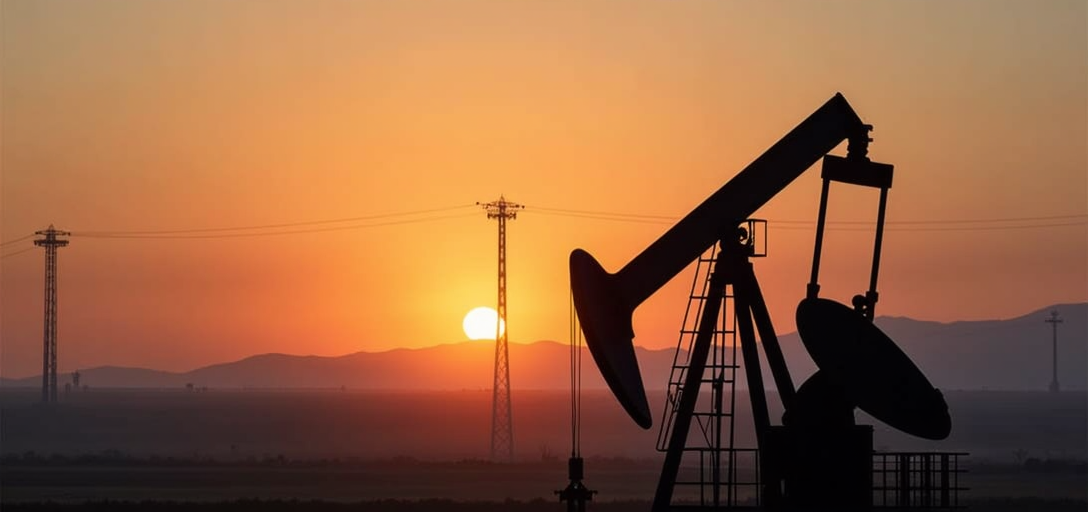
Understanding the Impact of Oil Prices on Heating Bills
With oil prices dipping below $95, many U.S. households are speculating about the potential effects on their heating bills. Understanding the connection between oil prices and energy costs is crucial for making informed decisions about budget planning and energy efficiency improvements. This article provides an in-depth analysis of how fluctuations in oil prices can affect heating bills, along with practical advice to help you manage your energy expenses.
Why Do Oil Prices Affect Heating Costs?
The connection between oil prices and heating costs is straightforward but significant. Heating oil is a major component in the energy mix, especially in the northeastern United States. When crude oil prices drop, the cost of refined products like heating oil generally falls as well, potentially leading to lower heating bills for those who rely on oil-based heating systems.
- Supply and Demand Mechanics: Changes in global oil supply (such as decisions by OPEC) or increased production capabilities often lead to price fluctuations. Increased supply or reduced demand results in lower prices.
- Refining Costs: Although crude oil prices influence costs significantly, refining costs and other logistical expenses also play crucial roles in determining heating oil prices.
Current Trends in the U.S. Energy Market
As of 2026, several factors are influencing the energy market in the United States, including political developments, technological advancements, and evolving consumer behaviors.
- Growing Renewable Energy Sources: Renewables are becoming a larger part of the energy portfolio, potentially easing reliance on oil.
- Energy Efficiency Programs: Programs and incentives aimed at boosting energy efficiency can help mitigate the financial impact of fluctuating oil prices on consumers.
- Climate Policy Adjustments: U.S. government policies focusing on reducing carbon footprints continue to shape the energy landscape.
Strategies to Mitigate the Impact on Your Heating Bills
Even if oil prices are generally trending downwards, there are still strategies every household can employ to maintain or even reduce their heating bills.
- Upgrade Your Heating System: Investing in a more efficient heating system or regular maintenance of your current system can lead to significant savings.
- Improve Home Insulation: Making sure your home is well-insulated reduces the energy required to heat your living space, leading to lower utility bills.
- Utilize Smart Thermostats: Smart technology allows for customized heating schedules, optimizing energy use and saving on costs.
Economic Indicators and Predictions
Looking at economic indicators helps to anticipate future trends in energy costs:
- Oil Market Forecasts: Projections by the U.S. Energy Information Administration (EIA) suggest potential stability in the oil markets, with moderate price changes anticipated in the short term. (Source: EIA)
- Inflation Rates: Inflation remains a critical factor. Higher inflation can reduce the purchasing power, indirectly affecting how households budget for energy.
- Regulatory Influences: New regulations or changes in existing policies can alter the dependency on oil by promoting renewable energy sources. Policymaker decisions aimed at cutting carbon emissions also play a crucial role. (Source: U.S. Department of Energy)
Navigating Your Heating Bill in a Volatile Oil Market
For American consumers, the volatility in oil prices means staying informed is more important than ever. Harnessing energy efficiency innovations, understanding how broader economic trends affect energy costs, and educating oneself about the sources and uses of different energy types can empower consumers to make confident and cost-effective decisions regarding their heating solutions.
In conclusion, while a dip in oil prices such as the current drop below $95 can imply short-term relief on heating expenses, staying proactive in energy management is a more dependable strategy for long-term savings and environmental sustainability.