How to Apply for a HELOC in Canada with Poor Credit: What You Need to Know
Exploring the possibility of obtaining a HELOC with bad credit in Canada? While challenging, options exist if you understand your situation and explore lenders who consider more than just credit scores. Discover tips to improve your chances and learn about alternative qualification criteria.
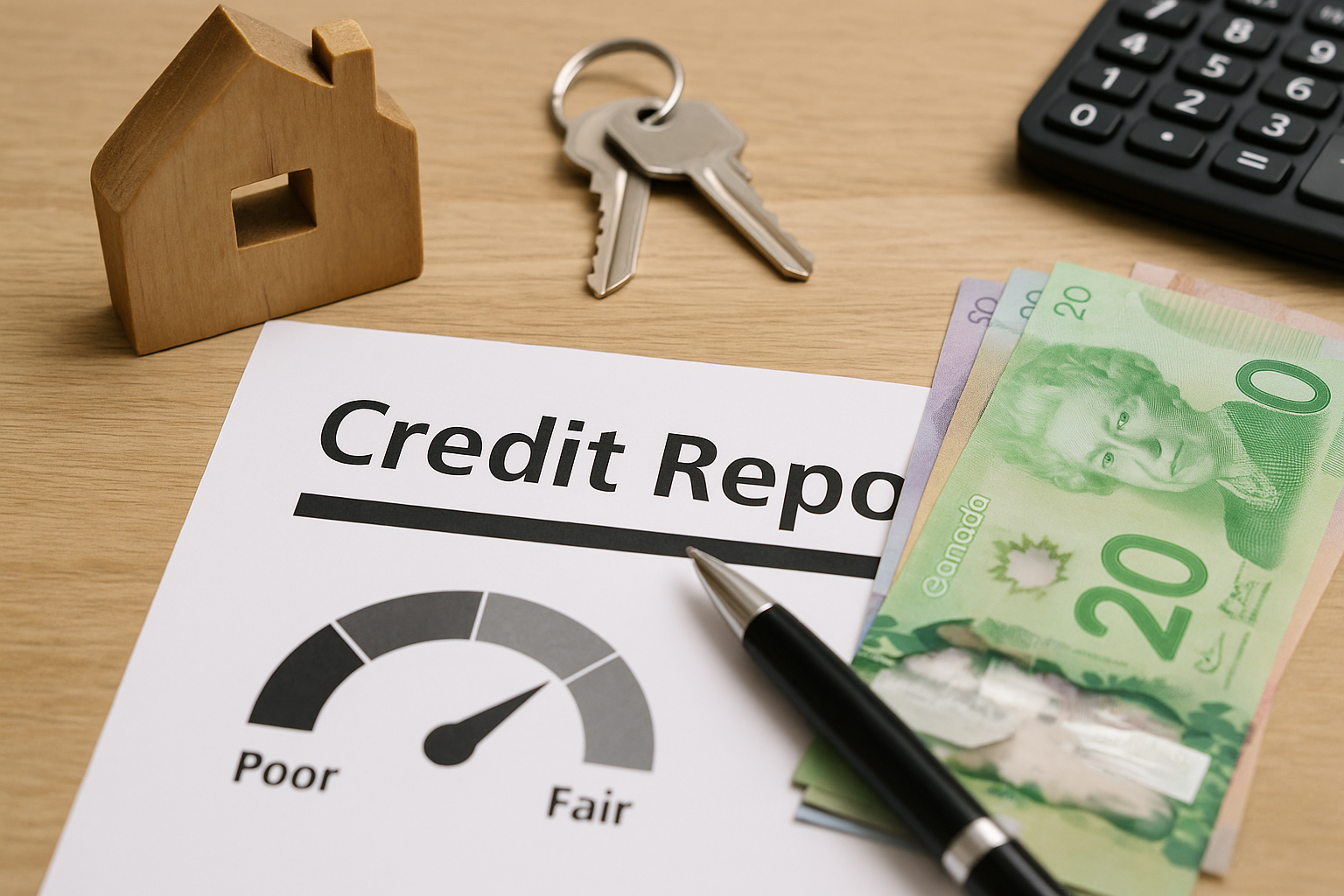
Understanding HELOCs and Their Relevance in Canada
Home Equity Lines of Credit (HELOCs) have become an increasingly popular financial product for many Canadians. They allow homeowners to leverage the equity in their homes to access credit, offering flexibility and potentially lower interest rates compared to other loan types. However, things can get tricky if you're dealing with bad credit. In this article, we'll explore if you can still get a HELOC with bad credit in Canada and what you need to know to navigate this financial landscape.
What Is a HELOC and How Does It Work?
A HELOC is essentially a revolving line of credit backed by the equity you have built up in your home. With a HELOC, you are allowed to borrow up to a certain credit limit, make payments on the amount you've borrowed, and borrow again as needed, similar to a credit card but with potentially lower interest rates.
The credit limit of a HELOC is typically determined based on your home's value minus any outstanding mortgage balance. For example, if your home is valued at CAD 500,000 and your mortgage balance is CAD 300,000, you might have CAD 200,000 in equity. Lenders usually allow you to borrow up to 65-80% of the usable home equity, which could be CAD 130,000 to 160,000 in this scenario.
Can You Get a HELOC with Bad Credit?
Traditionally, a good credit score has been a hallmark of securing a HELOC, as it signifies reliability and low risk to lenders. However, having bad credit does not automatically disqualify you from obtaining a HELOC in Canada. There are still potential pathways, although these might require additional work or entail higher costs.
Factors Lenders Consider Besides Credit Scores
- Equity in Your Home: The more equity you have, the better your chances. Lenders place significant importance on the amount of equity in the home because it reduces their risk.
- Existing Debt: Lenders will evaluate your current debt levels and use a debt-to-income ratio to assess whether you can handle additional credit.
- Employment and Income Stability: Demonstrating a stable income and employment history can work in your favor even if your credit score is not ideal.
Alternative Options for Getting a HELOC with Bad Credit
If your credit score is less than stellar, consider these alternative options to secure a HELOC:
- Subprime Lenders: These lenders specialize in offering loans to individuals with bad credit. While their interest rates and fees might be higher, they offer a viable option when traditional banks decline your application.
- Credit Unions: Credit unions can sometimes be more flexible and willing to accommodate individuals with bad credit histories.
- Co-Signers: Having a co-signer with a good credit score can bolster your HELOC application, as they provide added assurance to the lender.
Improving Your Chances of HELOC Approval
Even when dealing with bad credit, there are strategies you can employ to improve your chances of getting approved for a HELOC:
Build a Better Credit History
Work on improving your credit score over time. This could involve paying off existing debts, ensuring bills are paid on time, and disputing any inaccuracies on your credit report. The Canadian government offers resources and tips via the Financial Consumer Agency of Canada to help you build and maintain a healthy credit score.
Increase Home Equity
Increasing your equity over time by paying down your mortgage can improve your HELOC eligibility. This makes you less risky and more attractive to lenders.
Benefits and Risks of Using HELOCs with Bad Credit
Potential Benefits
- Flexible Borrowing: HELOCs provide access to funds as needed, which is particularly useful for handling unexpected expenses or larger projects.
- Potential Tax Deductions: In some cases, the interest paid on a HELOC could be tax-deductible, offering added financial benefits. Consult with a tax advisor for details.
Associated Risks
- Variable Interest Rates: Unlike fixed loans, HELOCs often come with variable interest rates, which can rise unexpectedly, increasing your repayment amount.
- Property at Risk: With the home as collateral, failure to make payments could potentially lead to foreclosure.
Conclusion
Securing a HELOC with bad credit in Canada is possible but involves understanding the nuances of the lending landscape. By assessing your financial situation, improving your credit score, and considering alternative lending options, you can increase your chances of approval. Always consult with a financial advisor before taking steps to ensure you make informed decisions that suit your unique circumstances.
Reference Links
https://www.canada.ca/en/financial-consumer-agency/services/mortgages/home-equity-line-credit.html
https://www.canada.ca/en/financial-consumer-agency/services/loans/loans-lines-credit.html
https://www.ratehub.ca/home-equity-line-of-credit
https://www.ratehub.ca/best-mortgage-rates/heloc
https://www.nerdwallet.com/ca/p/article/mortgages/home-equity-heres-how-and-when-to-tap-it
https://www.koho.ca/learn/how-to-get-a-heloc-with-bad-credit/
https://borrowell.com/blog/what-credit-score-is-needed-for-a-line-of-credit
https://www.360lending.ca/blog/requirements-to-qualify-for-a-heloc-in-ontario
https://www.360lending.ca/blog/can-you-get-a-heloc-with-bad-credit-ontario