How to Check Fiber Internet Availability at Your Address
Searching for fiber internet availability by address can reveal lightningfast speeds right in your neighborhood. Discover how checking fiber internet availability by address can give you a clearer picture of your options.
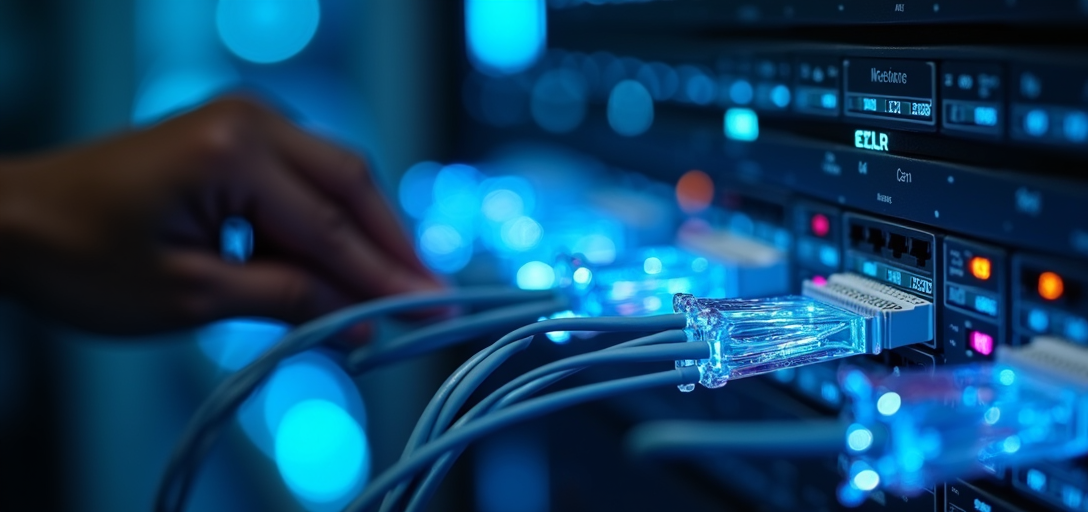
Understanding Fiber Internet: A Step into the Future
Fiber optic internet, commonly referred to simply as fiber internet, represents the cutting edge of internet technology. By using fiber-optic cables that transfer data as light, fiber internet offers speeds that are far superior to traditional DSL or cable internet services. Yet, its availability remains limited to certain regions, leaving many potential users in the dark about when they'll be able to access this superior service.
Why Fiber Internet?
The primary reason for considering fiber internet is its unmatched speed and reliability. While traditional internet connections use copper cables, fiber optic uses thin strands of glass or plastic to transmit digital information as pulses of light. This method significantly reduces the signal degradation and electromagnetic interference that can occur with metal wires, making fiber the gold standard for both upload and download speeds.
Advantages of Fiber Internet
- High Speeds: Fiber internet can offer speeds ranging from 100 Mbps to 1 Gbps and beyond, catering to both consumer and business needs.
- Reliable Connection: Being less susceptible to weather conditions and electromagnetic interference, fiber optic cables provide a more stable connection.
- Symmetric Speeds: Unlike DSL or cable, fiber internet usually offers equal upload and download speeds, useful for video calls, streaming, and other bandwidth-intensive activities.
Evaluating Fiber Internet Availability by Address
One of the major hurdles of switching to fiber internet is its availability, which can depend heavily on regional infrastructure developments. Given the 2026 landscape in the US, urban areas and cities have expanded their fiber networks significantly, yet rural areas still face challenges.
How to Check Availability
- ISP Websites: Most internet service providers (ISPs) will have an online tool where you can input your address to see if fiber is available.
- Third-Party Tools: Websites like BroadbandNow and FCC's broadband map can help you assess which providers offer fiber internet in your area.
- Local Government Initiatives: Some local governments provide information regarding future infrastructure plans which often include fiber deployment.
Recent statistics [source] show that as of 2026, nearly 45% of US households have access to fiber internet, a substantial increase from previous years, but still indicative of room for further development.
Factors Influencing Fiber Expansion
While fiber internet is the future, its expansion is influenced by several factors:
Market Demand
Urban areas with high population densities often see quicker fiber implementation due to higher demand. ISPs prioritize areas where return on investment aligns with the cost of laying new infrastructure.
Geographical Challenges
Installing fiber cables in large, rural areas requires significant investment and can be impeded by natural landscapes such as mountains or remote distances, which makes ISP companies hesitant to invest without subsidies.
Regulatory Environment
Government policies at both the federal and state levels play a crucial role. Policies that favor infrastructure development grants or offer tax incentives for expanding broadband can catalyze fiber deployment. In 2026, federal initiatives under the BEAD (Broadband Equity, Access, and Deployment) program continue to drive these expansions.
Prospects and Future Trends
As of 2026, with ongoing technological advancements and increasing awareness, fiber internet stands to grow rapidly. Here are some prospects to keep an eye on:
Increased Rural Deployment
Rural America’s connectivity is on the rise thanks to continued federal funding and partnerships between ISPs and regional municipalities focused on minimizing the digital divide. Recent USDA awards have assisted in this fiber rollout [source].
5G Partnership and Integration
The blend of fiber and 5G technology could accelerate better internet access even further. Fiber will likely underpin 5G backhaul, providing a reliable core for next-gen connectivity, even in areas where fiber cannot reach households directly.
Conclusion: Is Fiber Internet the Right Choice for You?
Deciding whether to switch to fiber internet is dependent on a few core factors: availability in your area, your current internet's performance, and your personal or business needs for speed and reliability. If you find fiber is accessible at your address, and you require high-speed, reliable internet, making the switch could be a forward-thinking decision.
Remember, with technology continuously evolving, staying informed about local developments and provider offerings can help in making future-focused internet decisions.