How to Choose the Best Home and Auto Insurance Policies in Canada
Navigating the world of home and auto insurance in Canada can seem challenging, but finding the right policy doesn't have to be overwhelming. Understanding the nuances of these insurance options helps in making informed decisions tailored to your needs.
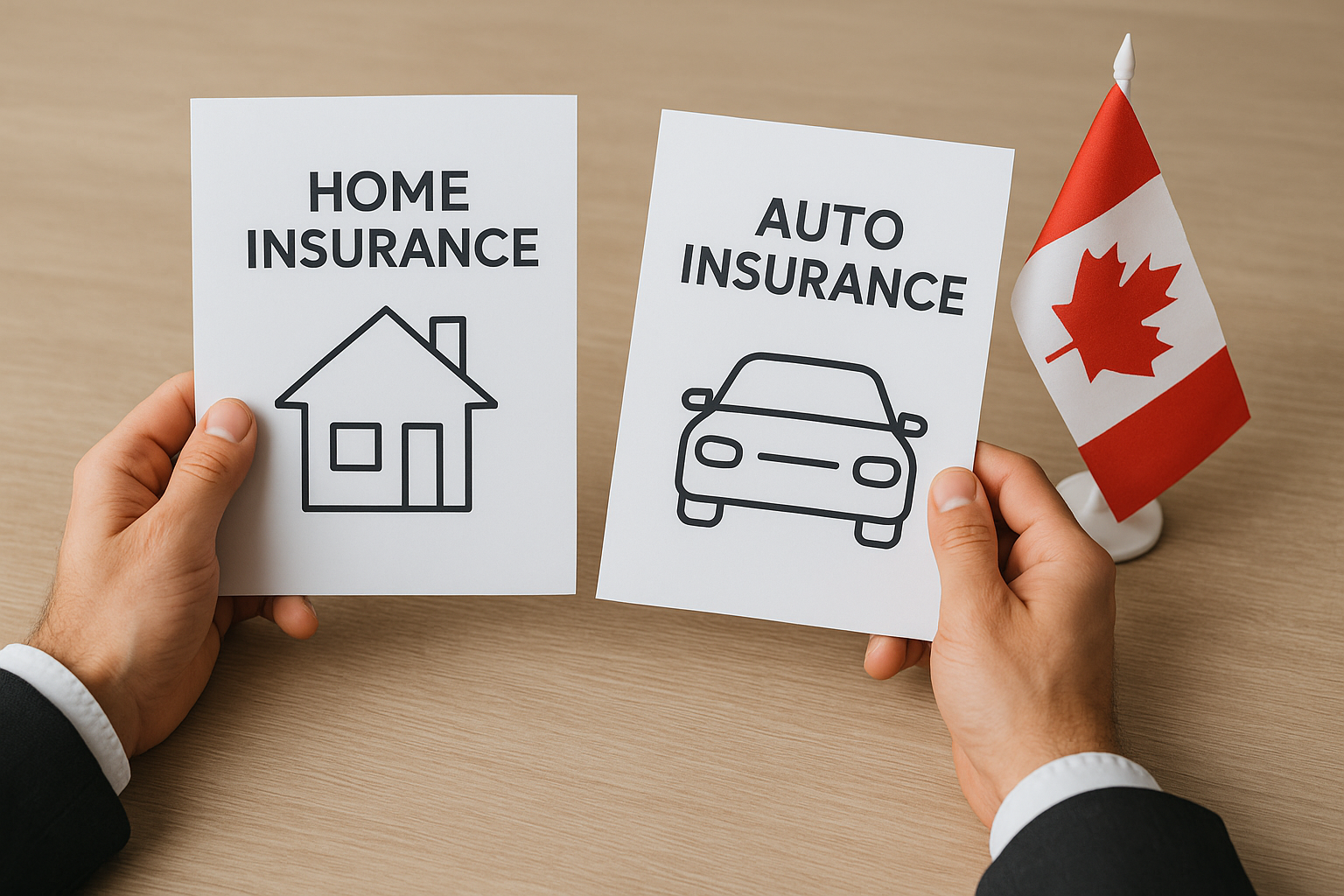
Understanding Home and Auto Insurance in Canada
When it comes to protecting your assets in Canada, choosing the right home and auto insurance policy is imperative. Whether you're a homeowner, renter, or vehicle owner, insurance provides a crucial safety net against unexpected events. Let's explore the key aspects you need to consider when selecting the right policies for your needs.
Key Considerations for Home Insurance
What Does Home Insurance Cover?
Home insurance in Canada typically covers damage to your property and possessions due to events like fire, theft, vandalism, and certain natural disasters. It also includes liability coverage in case someone gets injured on your property. However, each policy can differ significantly in terms of what is covered and the limits of coverage.
Types of Home Insurance Policies
There are different types of home insurance policies, including:
- Basic Policies: Provide protection against specific perils listed in the policy.
- Broad Policies: Offer coverage on the dwelling and named perils on personal property.
- Comprehensive Policies: Cover the dwelling and personal property against all perils except for those specifically excluded.
Choosing the right type depends on your risk appetite and the value of your home and possessions.
Key Considerations for Auto Insurance
Mandatory coverage
Auto insurance in Canada is mandatory and each province determines the minimum required coverage. Generally, this includes:
- Third-Party Liability: Covers legal responsibility for damage caused to others.
- Accident Benefits: Provides medical benefits and cover for physical rehabilitation.
- Direct Compensation Property Damage (DCPD): Covers damages to your vehicle in certain provinces.
While these are the base requirements, additional coverage can be essential to protect against the high costs of accidents.
Optional Auto Insurance Coverage
Depending on the value of your car and your driving habits, you might want to consider additional coverage options:
- Collision Coverage: Pays for damages caused by collision, irrespective of fault.
- Comprehensive Coverage: Covers non-collision-related damages like theft, vandalism, or weather damage.
- Specified Perils: Covers specific risks such as fire and theft.
It's important to assess whether these optional coverages are necessary based on factors like the age and condition of your car.
Factors Influencing Insurance Premiums
Variables Affecting Home Insurance Rates
Several factors can influence the cost of your home insurance premium. These include:
- Location: Areas prone to natural disasters or high crime rates tend to have higher premiums.
- Home Value: More expensive homes typically cost more to insure.
- Building Materials: Homes built with fire-resistant materials might attract lower premiums.
- Security Measures: Installing security systems can reduce risks and premiums.
Recently, with increased climate change effects, policy adjustments are being made, affecting rates (Insurance Bureau of Canada, 2026).
Variables Affecting Auto Insurance Rates
Your auto insurance costs are also determined by several factors, such as:
- Driving History: A clean record often results in lower premiums.
- Car Model: High-performance and luxury cars are more expensive to insure.
- Usage: The more you drive, the higher your potential for claims.
- Age and Gender: Young male drivers usually pay more due to higher risk assessment.
Technological advancements in telematics now provide usage-based insurance models, potentially lowering costs for safe driving patterns (Canadian Underwriter, 2026).
Tips for Choosing the Right Policy
Selecting the right insurance policy involves more than just choosing the cheapest option. Here are some helpful tips:
- Compare Quotes: Shopping around and comparing quotes from multiple insurers can reveal significant savings.
- Assess Coverage Needs: Evaluate your assets accurately to avoid underinsuring your home or vehicle.
- Consider Customer Feedback: Reviews and ratings can provide insights into an insurer's customer service and claim handling.
- Look for Discounts: Bundling home and auto insurance can often lead to sizable discounts.
The Role of Insurance Brokers
Insurance brokers can be invaluable when navigating the complexities of home and auto insurance. They offer personalized advice and access to a range of insurance products from different providers, helping you tailor a policy that fits your specific needs. According to a study by the Financial Services Regulatory Authority of Ontario in 2026, policyholders who use brokers report higher satisfaction rates compared to those who don't.
Conclusion
Choosing the right home and auto insurance policy in Canada requires understanding your unique needs, evaluating different types of coverage, and considering various factors that influence premiums. By taking the time to research and possibly consult an insurance broker, you can find a policy that provides peace of mind and financial protection in unforeseen circumstances.
https://www.ibc.ca/insurance-basics/home
https://www.ibc.ca/insurance-basics/home/types-of-home-insurance-coverage
https://www.canada.ca/en/financial-consumer-agency/services/insurance/home.html
https://www.rates.ca/insurance-quotes/home-auto-insurance-bundle
https://www.ratehub.ca/insurance
https://www.tdinsurance.com/products-services/auto-home-insurance
https://www.rbcinsurance.com/en-ca/auto-car-insurance/home-and-auto-insurance-savings/
https://www.intact.ca/en/personal-insurance/vehicle/bundle
https://www150.statcan.gc.ca/n1/pub/11-621-m/11-621-m2025003-eng.htm