How to Choose the Perfect Lighting to Enhance Your Aesthetic
Discover how the right light can transform your aesthetic space. From enhancing your room's ambiance to highlighting unique features, choosing the right light is key. Whether you're redecorating or simply updating your lighting, understanding your options can truly make a difference.
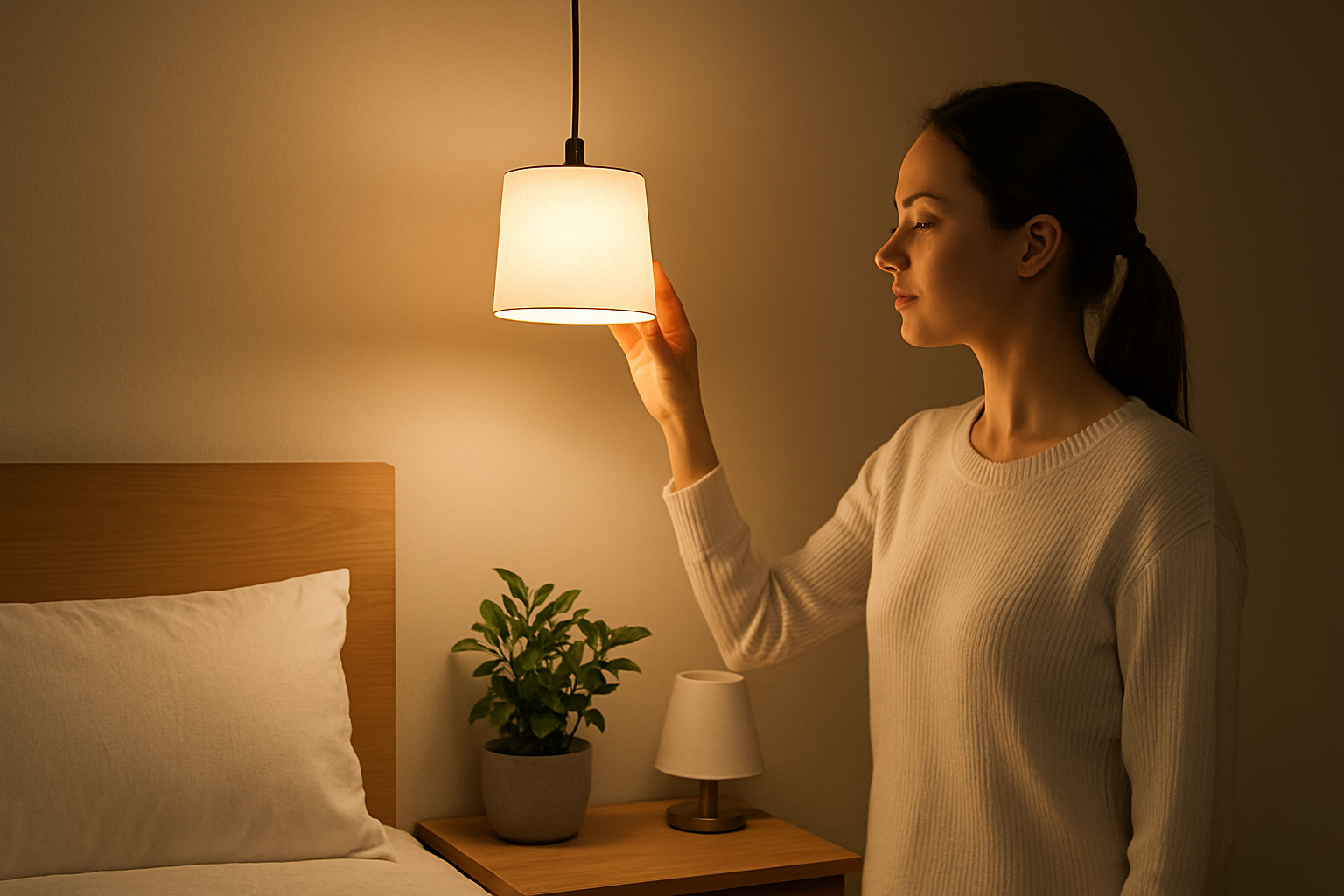
Understanding the Importance of Lighting in Design
In the world of interior design, lighting plays a crucial role in setting the mood, enhancing aesthetics, and even influencing our emotions. The right lighting can transform any space, improving not just its look but also the way we feel within it. This understanding has led to an increased focus on using lighting strategically to complement any aesthetic. According to recent research, over 80% of interior designers consider lighting one of the top contributors to the success of a design plan in 2026 (Architectural Digest).
Key Questions About Aesthetic Lighting
- What kind of lighting is suitable for different spaces?
- How does lighting affect mood and perception?
- What are the latest trends in aesthetic lighting?
Choosing the Right Light for Every Room
Each room in your home or office has distinct lighting needs that align with its purpose and the aesthetic you wish to achieve.
Living Room
The living room serves as a hub for relaxation and entertainment. For a cozy yet sophisticated atmosphere, layered lighting is key:
- Ambient Lighting: Soft overhead lights create a welcoming environment.
- Accent Lighting: Use table lamps or sconces to highlight artworks or architectural features.
- Task Lighting: Floor lamps or adjustable lights cater to reading and other activities.
Kitchen
The kitchen requires a blend of functionality and aesthetics. It benefits from bright, direct lighting that enhances visibility:
- Under-Cabinet Lighting: Illuminates preparation areas and provides task-specific lighting.
- Track Lighting: Allows for directional lighting that can focus on key areas like the stove or island.
Bedroom
In the bedroom, lighting should promote relaxation and restful sleep, which can be achieved through:
- Dimmable Lights: Adjust light levels to suit different times of the day.
- Warm Bulbs: Create a soothing environment.
- Bedside Lamps: Convenient for reading or setting a cozy mood without disrupting sleep.
The Psychological Impact of Lighting
Lighting doesn't just enhance aesthetics; it significantly impacts our mood and perception. Research from 2026 reveals that lighting color temperature can affect our emotions: cool lighting may energize and increase alertness, while warm lighting often induces relaxation (Psychology Today).
Blue Light vs. Warm White Light
Blue light has been shown to be energizing, making it ideal for workplaces designed to keep employees alert. However, exposure to blue light right before bedtime can interfere with sleep patterns. On the other hand, warm white light is known to create a more calming atmosphere, often used in living areas and bedrooms to aid relaxation and foster a sense of comfort.
Current Trends in Aesthetic Lighting
As we move further into 2026, several trends have emerged in the realm of lighting design that are shaping aesthetics worldwide:
Smart Lighting Solutions
With advancements in smart home technology, lighting has become more nuanced and customizable. Systems that adjust lighting based on time of day or manual settings via apps are increasingly popular. This technology not only improves convenience but also enhances energy efficiency.
Minimalist and Integrated Designs
The minimalist aesthetic remains strong, with integrated lighting fixtures that blend seamlessly into architectural features or furniture. This approach maintains clean lines and avoids clutter, contributing to a serene aesthetic environment.
Biophilic Lighting
Biophilic design incorporates natural elements into built environments. This year, there's a noticeable uptick in the use of lighting that mimics natural sunlight patterns to promote well-being and a connection with nature (Dezeen).
Conclusion: Lighting as an Artform
Ultimately, selecting the right light for your aesthetic is more of an art than science. It involves understanding the interplay between light and space, the emotional responses elicited by different lighting types, and the latest design trends. As we embrace 2026 with a keen focus on sustainability and technological advancement, lighting continues to be a powerful tool in the realm of aesthetics, shaping not just our environments but also our everyday experiences.