How to Choose the Perfect Tires for Your Car
Looking to find the right tires for your vehicle? Explore choices that can improve your driving experience. Discover what's essential when selecting new tires and how to match them with your vehicle's specific needs.
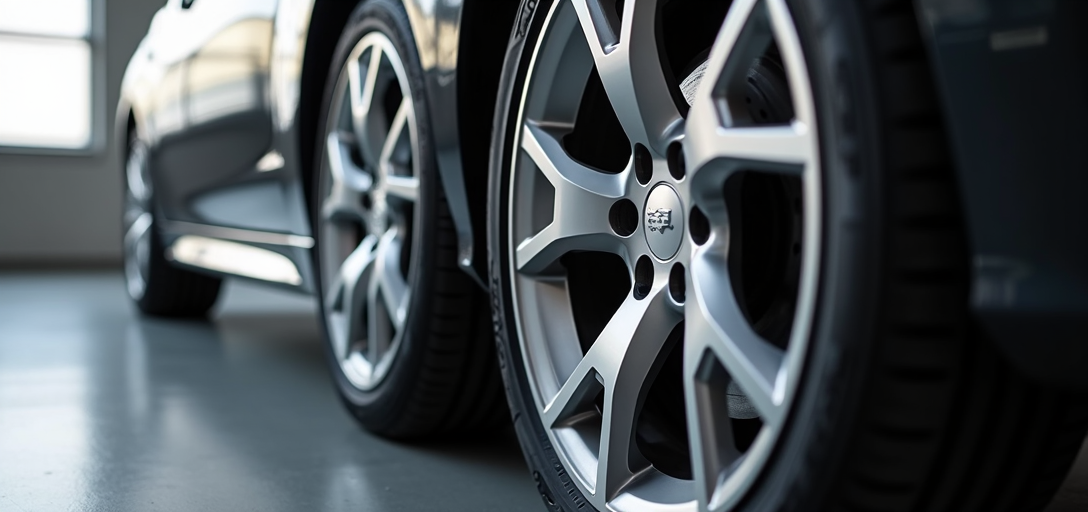
Understanding Tire Types for Your Vehicle
Finding the right tires for your vehicle can significantly impact your driving experience, fuel efficiency, and safety. In the U.S., there's a wide array of tire options available, each suited for different types of vehicles and driving conditions. We'll explore the various categories and help you choose the best tires for your needs.
All-Season Tires
All-season tires are designed to provide good performance in a variety of conditions, including wet roads and light winter driving. They offer versatility and are a popular choice for many drivers who experience moderate climates. According to recent data, over 80% of vehicles in the U.S. use all-season tires due to their balance of comfort, performance, and affordability.
Winter Tires
Winter tires, also known as snow tires, are optimized for handling extreme winter conditions. They feature a soft rubber compound and unique tread patterns that enhance grip on ice and snow. If you live in northern states where winters are harsh, investing in winter tires can greatly enhance your safety during the colder months.
Performance Tires
Designed for sports cars and driving enthusiasts, performance tires provide superior handling and grip at high speeds. They are made from softer rubber compounds that improve traction but may wear out faster than other tire types. In 2026, the demand for performance tires has grown by 5%, reflecting an increase in consumers seeking enhanced driving experiences.
Key Factors to Consider When Choosing Tires
When selecting the right tires for your vehicle, several factors come into play. Each element can affect your overall driving experience, so it's essential to weigh your options carefully.
Size
Your vehicle's tire size is critical. It can be found in your vehicle’s manual or the placard on the driver’s doorjamb. The series of numbers and letters denote the tire width, aspect ratio, and diameter. For instance, "P225/45R17" translates to a tire width of 225 millimeters, an aspect ratio of 45, and a diameter of 17 inches.
Tread Life
Tread life is a measure of how long a tire is expected to last. It's usually represented as a mileage rating. For example, a tire rated for 60,000 miles should last that long under typical driving conditions. A recent study found that maintaining proper tire pressure can extend tread life by up to 10%.
Weather Conditions
Your local climate heavily influences the type of tires you should choose. If you experience variable weather, all-season tires may suffice. However, for areas with severe winters or intense summer heat, dedicated winter or summer tires offer the best performance and safety.
- Snow and Ice: Winter tires have deeper treads and unique patterns to prevent sliding.
- Wet Roads: Tires with high-performance ratings for wet conditions reduce hydroplaning risks.
- Heat: Summer tires made with harder rubber compounds withstand high temperatures without degrading as quickly.
How to Maintain Your Tires
Maintaining your tires is vital for safety and extending their lifespan. Simple, regular checks and maintenance can save you money and enhance your vehicle's performance.
Regular Inspections
Inspect your tires for signs of wear, such as cracks, bulges, or objects lodged in the tread. Experts recommend rotating your tires every 5,000 to 7,500 miles to ensure even wear.
Proper Inflation
Keeping your tires properly inflated optimizes fuel efficiency and safety. Under-inflated tires can lead to blowouts, while over-inflating them can reduce traction and increase wear.
Alignment and Balancing
Misaligned wheels cause uneven tire wear. If your vehicle pulls to one side or you notice uneven tread wear, have your alignment and balance checked by a professional.
Where to Buy Tires
Once you’ve decided on the right type for your vehicle, the next step is purchasing. Several options are available for U.S. consumers:
- Dealerships: Sometimes more expensive but they often provide specific recommendations tailored to your vehicle.
- Online Retailers: Websites like Tire Rack and Discount Tire offer user reviews and convenient delivery options.
- Local Tire Shops: Often provide personalized service and can offer competitive pricing along with installation services.
Considerations for Online Purchases
When buying tires online, ensure that the retailer provides a fitment guarantee. Some sites allow you to input your vehicle’s specs to match you with the correct tire size and type. Moreover, look for promotions which can often include discounts or rebates that can help reduce costs.
Conclusion
Choosing the right tires for your vehicle involves understanding your driving conditions, vehicle specifications, and personal preferences. Whether prioritizing safety, performance, or economy, the right tires can enhance your driving experience and keep you safe on the road. Stay informed about your choices and consult with tire experts whenever necessary to ensure you're making the best decision.