Choosing the Right Lawn Mower for Your Gardening Needs
Choosing the right lawn mower can transform your lawn maintenance experience. But with endless options, it can be overwhelming to know which lawn mower best suits your needs.
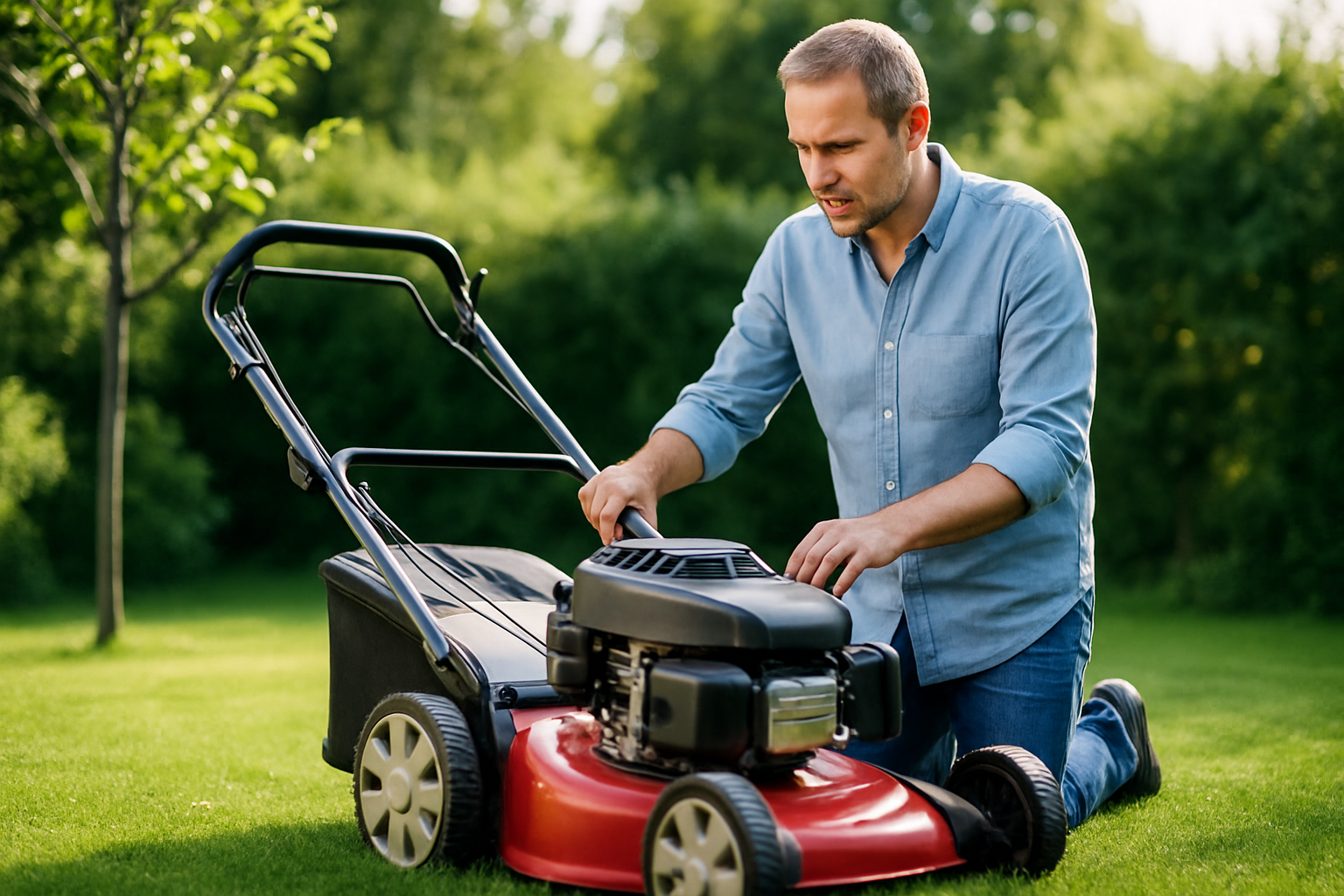

This guide provides detailed insights into the types of lawn mowers available, factors to consider when purchasing one, and tips for keeping them working for as long as possible.
Types of Lawn Mowers
Classified into several categories based on their power source, mechanism, and intended use, here are the most popular types:
Gas-Powered Lawn Mowers
These are the classic choices for large lawns. They are capable of handling thicker grass and uneven terrain with ease. However, they require regular maintenance, produce emissions, and can be noisier compared to other types.
Electric Lawn Mowers
Electric mowers, available in both corded and cordless versions, are growing in popularity due to their eco-friendliness and quieter operation. They're suited for small to medium-sized yards and need less maintenance than gas-powered mowers. The cordless versions offer more flexibility, but depend on their battery life — which typically lasts 30-60 minutes on a full charge.
Manual Reel Lawn Mowers
For environmentally conscious homeowners with small yards, manual reel mowers provide a low-cost, low-tech option. They offer excellent cutting precision for flat lawns, but can become exhausting to use for larger areas or uneven terrain.
Robotic Lawn Mowers
Robotic mowers are the latest innovation for those looking for convenience. These battery-operated devices are set up to automatically trim the grass within pre-defined boundaries. While the initial investment is more significant, they require minimal effort once set up.
Factors to Consider When Choosing a Lawn Mower
Ease of Use and Maintenance
Consider how much time you're willing to invest in maintaining your mower. Electric mowers require little maintenance, whereas gas mowers need regular oil changes and air filter cleanings. Robotic mowers minimise user intervention, but their setup and troubleshooting may require technical know-how.
Environmental Impact
In 2026, the trend towards sustainability has influenced many homeowner decisions. Electric and manual mowers tend to have a smaller carbon footprint compared to gas-powered options, aligning with more environmentally-conscious lawn care practices.
Budget and Cost Effectiveness
Your budget dictates the type of mower as well as options within these categories. While manual reel mowers and some electric models are cost-effective, gas and robotic models often come at a higher price point. Additionally, factor in long-term costs such as fuel, electricity, maintenance, and battery replacements.
Lawn Size and Terrain
The size of your lawn is a critical factor. Large lawns might require a riding mower or a high-quality self-propelled gas model. Conversely, a small urban lot may be best served by a cordless electric or manual reel mower. For uneven terrain, a mower with larger wheels and more power will offer the best results.
Top Tips for Maintaining Your Lawn Mower
Once you've selected your ideal lawn mower, maintaining it is essential for longevity and performance. Here are a few maintenance tips:
Battery Care (Electric Models)
If you have a cordless electric mower, battery care is crucial. Avoid complete discharges and store batteries indoors during the winter to prolong battery life.
Check the Oil and Filters (Gas Models)
Checking and changing the oil and air filters ensures your gas-powered mower runs smoothly. Refer to your model's manual for the frequency of these tasks.
Sharpen Blades Annually
Sharp blades result in cleaner cuts and healthier grass. Aim to sharpen your mower's blades at least once a year or hire a professional service to ensure optimal performance.
Regular Cleaning
Debris buildup can lead to performance issues. Whether you own a gas, electric, or manual mower, make it a habit to clean the blades and housing after each use.
For further insights and detailed analyses, visit Consumer Reports.