How to Easily Check Fiber Internet Availability at Your Address
Curious if you can access fast and reliable Fiber Internet in your area? Discover how to check fiber internet availability by address with ease. This quick guide will walk you through the steps to find out which providers offer service in your location.
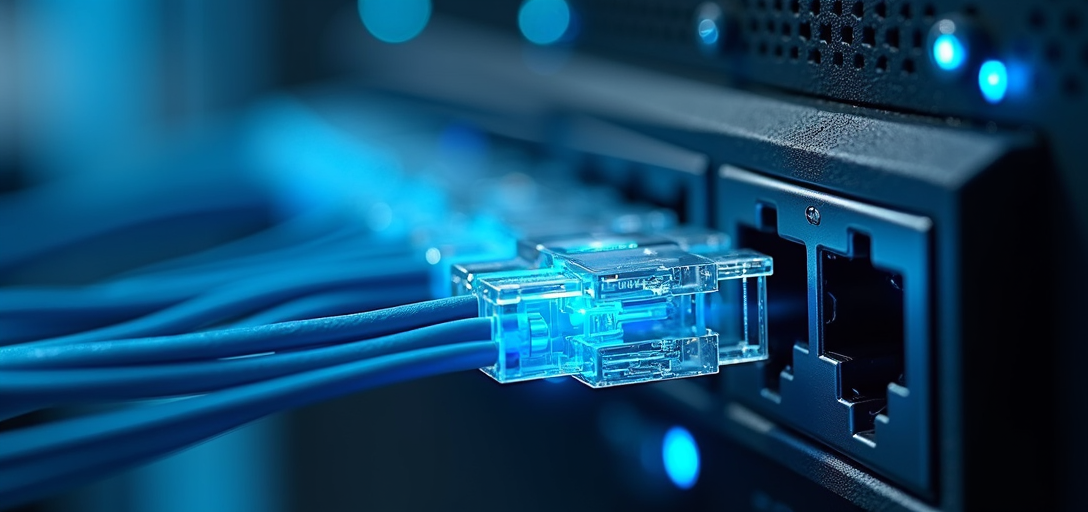
Understanding Fiber Internet Availability in the US
Fiber internet has become synonymous with high-speed and reliable internet service. For those living in the US, checking fiber internet availability by address is a crucial step towards securing a connection that meets modern demands. This article aims to guide you through the process, providing relevant information and resources to help you make informed decisions.
What Is Fiber Internet?
Fiber internet, often simply referred to as "fiber," uses fiber-optic cables composed of glass or plastic strands to transmit data. Unlike traditional copper cables, fiber-optic cables can handle large amounts of data at lightning speeds, making fiber internet a favorite among users who need a fast and dependable connection.
In 2026, fiber internet is recognized for providing symmetrical upload and download speeds, often reaching gigabit levels (1,000 Mbps or more). This capability is particularly beneficial for bandwidth-intensive activities such as streaming 4K videos, online gaming, and video conferencing.
- Symmetrical speeds mean equal upload and download rates, crucial for video calls and online gaming.
- Fiber optics are less susceptible to weather-related disruptions compared to traditional cables.
How to Check Fiber Internet Availability by Address
Determining fiber internet availability in your area involves a few straightforward steps. The availability can vary significantly depending on the provider's infrastructure and investment in different regions of the US.
Using Online Tools
Several online tools can help you check the availability of fiber internet services in your locality:
- ISP Websites: Major internet service providers (ISPs) like AT&T, Verizon, and Google Fiber provide search tools on their websites that allow users to enter their addresses and check service availability.
- Government Maps: The Federal Communications Commission (FCC) provides detailed maps showing broadband availability, including fiber services, which can be accessed online.
- BroadbandNow: This platform offers a comprehensive database that allows users to check fiber internet coverage by entering a zip code or specific address. Visit BroadbandNow.
Inquiring Locally
If online tools suggest limited availability, consider contacting local ISPs directly. Some providers offer customer service hotlines to verify if fiber services are being expanded to your area.
The Current State of Fiber Internet in the US
As of 2026, approximately 50% of US households have access to fiber-optic internet. Notably, urban areas have seen faster adoption rates, while rural areas still lag in terms of infrastructure development, primarily due to the higher costs of laying fiber cables across larger and less densely populated regions.
Efforts to expand fiber coverage continue, supported by government initiatives that encourage investment in broadband infrastructure. These efforts aim to bridge the digital divide, ensuring equitable internet access across the nation, as reported by a recent study from the Pew Research Center.
Benefits of Fiber Internet
Why should you consider switching to fiber internet? Here are some reasons that make fiber a superior choice:
- Faster Speeds: Fiber internet can achieve download speeds of up to 10 Gbps, far surpassing DSL or cable services.
- Reliability: Fiber-optic cables are less prone to disruptions from electromagnetic interference, resulting in more stable connections.
- High Bandwidth: Support for multiple devices and heavy data usage without compromising speed.
- Better Streaming Quality: Enjoy buffer-free streaming of high-definition content.
Challenges in Accessing Fiber Internet
While fiber offers numerous advantages, there are obstacles to its widespread adoption:
- Cost: Installing fiber infrastructure can be expensive, leading to higher prices for consumers compared to DSL or cable services.
- Limited Coverage in Rural Areas: Geographic and economic challenges slow down fiber deployment in rural communities.
Despite these challenges, continuous innovation and policy intervention aim to make fiber internet more accessible to all.
Conclusion
Checking fiber internet availability by address is a vital step for anyone in the US looking to upgrade their internet service in 2026. With ongoing enhancements in infrastructure and increased governmental support, fiber internet is expected to become more accessible, promising a brighter, faster, and more connected future for American households.
For more information on fiber internet availability and developments, you can also explore the FCC's official website, which provides up-to-date data and resources.