How to Identify Early Symptoms of Mycosis Fungoides: A Guide to Recognizing This Rare Skin Condition
Discover the subtle signs of Mycosis Fungoides, a rare and often misdiagnosed skin condition. Early recognition of Mycosis Fungoides can lead to better management, though outcomes vary.
What is Mycosis Fungoides?
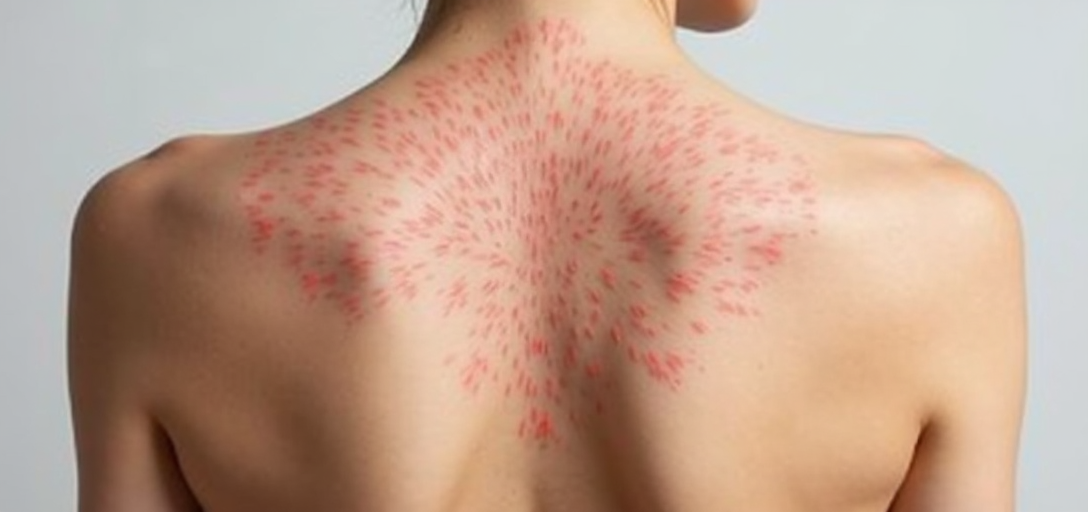
Mycosis Fungoides is a rare and chronic form of cutaneous T-cell lymphoma, a type of non-Hodgkin's lymphoma that manifests predominantly on the skin. It begins with lesions that resemble eczema or psoriasis, making early diagnosis challenging. The condition can progress over several years, affecting not just the skin, but potentially extending to lymph nodes, blood, and internal organs if left untreated.
Understanding the Early Signs
Early detection is key in managing Mycosis Fungoides. Recognizing the signs can lead to a better prognosis and improve overall outcomes. Here are some early indicators:
- Patches: Reddish, scaly patches that resemble eczema or dry skin often occur. They may appear on areas not typically exposed to sunlight, like the buttocks or thighs.
- Plaques: Thickened areas of skin that may be darker or lighter than the surrounding skin. These can sometimes be itchy or tender.
- Persistent Skin Conditions: Consider seeking a dermatologist's opinion if skin conditions persist despite treatment for conditions like eczema or psoriasis.
Who is at Risk?
While Mycosis Fungoides can affect individuals of any age, gender, or ethnicity, it is most commonly diagnosed in men over the age of 50. According to a study by the American Cancer Society in 2026, certain genetic and environmental factors, as well as a history of autoimmune diseases, may contribute to the risk of developing this condition.
Statistics and Data
In a recent study published by the National Institutes of Health, the incidence of Mycosis Fungoides in the US is approximately 1 in 100,000 people per year. This form of skin lymphoma is considered rare when compared to other types of skin cancers.
Diagnosis and Testing
Given its rarity and the resemblance of symptoms to other skin diseases, Mycosis Fungoides can be difficult to diagnose. Dermatologists often use a combination of the following methods:
- Biopsy: A skin biopsy is essential to confirm the diagnosis. This involves taking a small sample of skin and examining it under a microscope for malignant T-cells.
- Blood Tests: These may be performed to check for Sezary cells, which are indicative of a more advanced form of the disease.
- Imaging Studies: CT scans and PET scans are used in cases suspected of spreading to other organs.
Current Treatment Options
The treatment for Mycosis Fungoides varies based on the stage and progression of the disease. Here are some of the common approaches:
- Topical Treatments: These include corticosteroids, vitamin D analogs, and chemotherapy creams applied directly to the skin to manage early-stage symptoms.
- Phototherapy: Exposing the skin to specific types of ultraviolet light can be effective in controlling symptoms and rotating unresponsive areas.
- Systemic Treatments: For advanced stages, oral medications, injections, or intravenous formulations such as interferon or retinoids may be employed.
- Radiation Therapy: This is considered for localized patches or during more advanced disease stages.
Coping with Mycosis Fungoides
Receiving a diagnosis of Mycosis Fungoides can be overwhelming. However, proper medical management, alongside supportive care, can significantly improve quality of life.
Lifestyle Adjustments
Maintaining a healthy lifestyle plays a pivotal role in managing symptoms. Patients are encouraged to:
- Follow a balanced diet rich in vitamins and minerals.
- Stay hydrated to promote skin health.
- Engage in regular, moderate exercise to boost overall wellbeing and immune function.
- Use gentle skin care products to avoid irritation and escalate symptoms.
Support and Resources
Connecting with support groups and online communities can provide emotional support and practical advice from those who have experienced similar journeys. Organizations such as the Cutaneous Lymphoma Foundation offer projects and resources specific to the needs of those with Mycosis Fungoides, and their caregivers.
Seeking Further Information
For more detailed information on Mycosis Fungoides, visiting reputable websites such as American Cancer Society or National Institutes of Health is recommended. These sources provide updated research findings and detailed treatment guidelines.
Conclusion
Mycosis Fungoides is a complex but manageable condition with the proper medical care and lifestyle adjustments. By recognizing the signs early and seeking appropriate treatment, individuals can lead fulfilling lives despite their diagnosis. Ongoing research continues to improve our understanding and management of this rare disease, offering hope to patients and their families.